Freedom from Domestic Violence
Domestic violence is a hidden disease in our society. Women suffer, yet the blame is often placed on them. We must understand that every woman’s silence hides a frightening story.

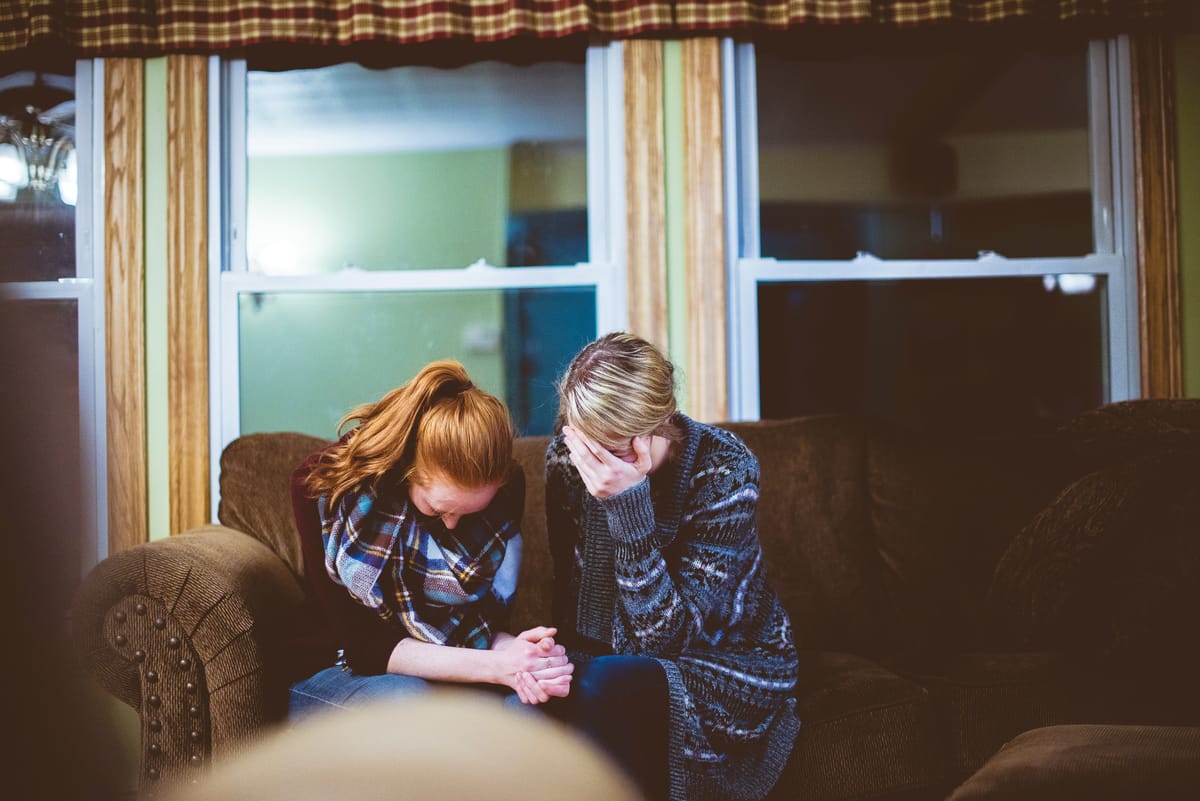
A home should always represent love, respect, safety, and mutual understanding. But when fear, pain, tears, and humiliation echo within its walls, the word “home” itself becomes fractured. Thousands of women today endure mental, physical, sexual, and emotional abuse from their husbands or family members. Many remain silent, fearing family breakdown, social judgment, their children’s future, or financial dependence.
But how long should one silently endure abuse? The time has come to speak up, rise, transform, protect oneself, and embrace a brighter life.
It is essential for a woman to cooperate with her husband—this strengthens relationships, maintains the household, and secures her children’s future. Yet cooperation does not mean exceeding the limits of tolerance. When a husband becomes violent, it is not cooperation but sacrifice; it is not a relationship but suffering.
Domestic violence is a hidden disease in our society. Women suffer, yet the blame is often placed on them. We must understand that every woman’s silence hides a frightening story.
Domestic violence is not just physical abuse or verbal insults. When a husband withholds money to create dependence, undermines her confidence, forces physical contact against her will, or isolates her socially, that is also abuse. Mental stress, unnecessary pressure, or neglect from in-laws and family members also constitute forms of domestic violence.
Normalizing such behavior teaches children that love involves enduring pain, perpetuating cycles of violence in the future.
If you are a victim of any form of abuse, the first thing to understand is that you are not at fault. Silence, neutrality, or endurance may feel obligatory, but they are not solutions. Speaking up, seeking help, and pursuing legal avenues are steps toward a brighter future.
Women should consult, understand, and cooperate with their husbands, but relationships thrive only on mutual respect and equality. When one partner seeks control over the other, it is exploitation, not support.
Strength is essential at the beginning. With self-confidence, you can identify problems, resist abuse, and empower yourself. Learn, understand, and acquire skills. Strive for self-reliance through small businesses, training, or online skills.
Many organizations today support women facing domestic violence. Nepal Women’s Commission, human rights organizations, women’s cells, and social groups are available to assist. You can call the toll-free number 1098 for help. Safe houses in major cities provide temporary shelter.
If you plan to leave an abusive relationship, ensure a safe plan: secure your documents, essential belongings, finances, and trusted contacts. Decisions can be challenging alone, so consult trusted friends or family.
Cooperation between husband and wife is the foundation of a successful family. Yet when a husband’s actions harm a wife’s self-respect or safety, the relationship must be reconsidered. Women should love and forgive, but not at the cost of their own well-being.
 Swami Devraj
Social change comes not just through laws but through awareness. Change occurs when women raise their voices and join others in speaking out. Your courage can inspire thousands, transforming lives.
Even if a woman suffers without a husband’s support, enduring the abuse is not the solution. Both partners must strive to improve the relationship. Cooperation is fair only after the abusive behavior changes. Support must be genuine, safe, and respectful.
Society has silenced women under the pretext of religion, tradition, and social norms. Now is the time to break that silence. Women understand that silence is not a solution; they must speak up, fight for their rights, and create change.
Women may sometimes feel “inadequate,” “unworthy,” or “weak.” Remember—you are inherently powerful. You can manage a home, transform society, and build a bright future for your children.
Escaping domestic violence is challenging. But choosing that path can give life a new meaning. Let your tears ignite a fire, burning away darkness.
The step you take today can inspire thousands of women. Your voice can shake society. Your courage can change the mindset of the next generation.
Escaping abuse is not just your victory—it is a triumph of justice, equality, and humanity. Domestic violence is not an individual issue; it is a collective societal wound. Victims often suffer psychologically—shame, fear, low self-confidence, and even thoughts of suicide.
In such situations, active support from family members, neighbors, friends, or community leaders is essential. When victims realize they are not alone, they gain new energy, trust, and the courage to restart their lives. Therefore, it is our collective responsibility to not remain silent, report abuse, and support survivors.
Cooperation between husband and wife should remain a societal value, but it must be grounded in self-respect and dignity. No woman should lose her existence or rights in the name of cooperation.