Digital Campaign for Election


Digital campaign for elections in Nepal has become one of the most powerful tools in modern politics. With the rapid increase in internet access, smartphones, and social media use, political leaders are now able to connect directly with voters without depending only on traditional rallies, posters, and party workers.
Platforms such as Facebook, YouTube, TikTok, Instagram, and Twitter have changed the way political messages are shared and received. Leaders like Balen Shah, Rabi Lamichhane,
Gagan Thapa, and other politicians have shown how digital media can influence public opinion and election outcomes in Nepal.
In the past, election campaigns in Nepal were mostly based on physical gatherings, door-to-door visits, loudspeakers, and printed materials. These methods required a lot of money and manpower.
Today, digital campaigns are cheaper, faster, and more interactive. Through social media, politicians can share their ideas, plans, and achievements instantly with thousands or even millions of people.
Voters can also comment, ask questions, and express support or criticism, making political communication more two-way than ever before.
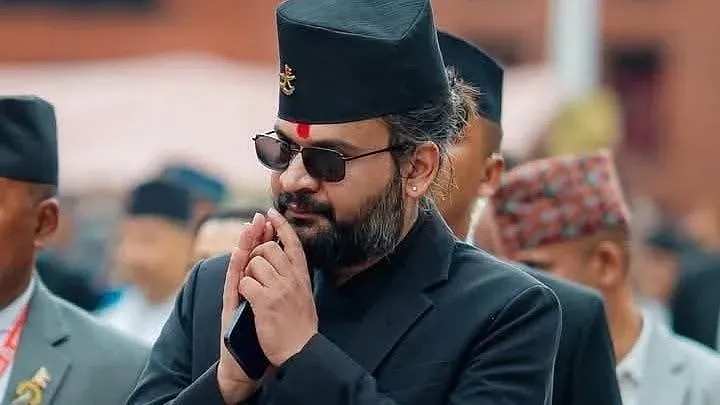
Balen Shah is one of the strongest examples of successful digital campaigning in Nepal. As an independent candidate for the mayor of Kathmandu, he did not have the support of major political parties.
Instead, he used social media as his main campaign platform. His posts were direct, emotional, and focused on issues like corruption, urban management, and accountability.
He often used simple language, poems, and short videos that connected strongly with young voters. Balen’s digital presence helped him build trust and a strong personal brand, which played a major role in his election victory.
Even after winning, he continues to use digital platforms to communicate with citizens and show transparency in governance.
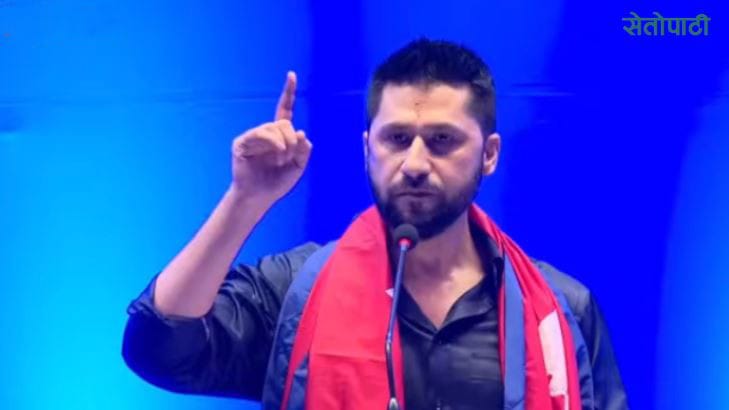
Rabi Lamichhane’s digital campaign was also highly influential. Before entering politics, he was already a well-known media figure and journalist, which gave him public credibility.
He used this advantage effectively on digital platforms. Through Facebook Live sessions, YouTube videos, and online speeches, he spoke about corruption, justice, and the need for systemic change.
His emotional storytelling and direct communication style helped him connect with frustrated voters who wanted new leadership.
The Rastriya Swatantra Party, led by Rabi Lamichhane, used digital tools to mobilize volunteers and supporters across the country, leading to surprising success in national elections.
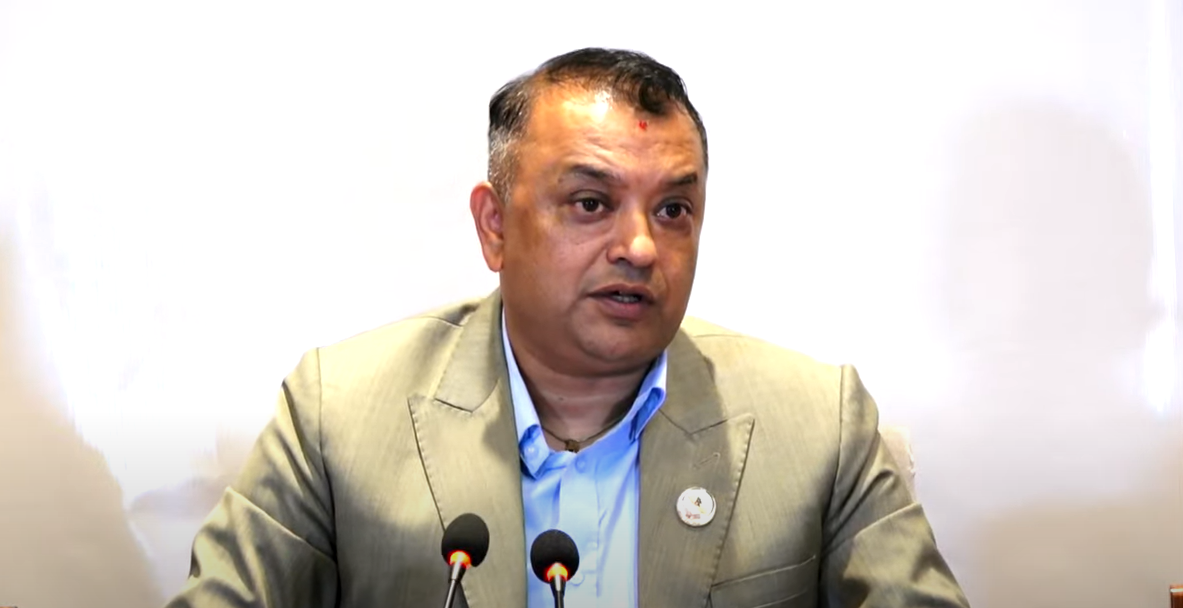
Gagan Thapa represents a different but important digital campaign style. As a leader from a traditional political party, the Nepali Congress, he uses digital media to modernize his political image.
His online content focuses on policy ideas, democratic values, health, education, and youth empowerment. Gagan Thapa often shares detailed explanations, speeches, and interviews rather than short emotional content.
His digital presence appeals more to politically aware and educated voters and helps bridge the gap between traditional party politics and modern digital expectations.

Apart from these leaders, many other politicians and parties in Nepal have started using digital platforms for election campaigns. Political parties now maintain official Facebook pages and YouTube channels.
Digital posters, short videos, memes, and campaign songs are widely shared online. Messaging apps like WhatsApp and Messenger are used to organize local supporters and spread campaign information.
TikTok has become especially popular among young voters and is increasingly used by politicians to reach a wider audience.
Despite its advantages, digital campaigning in Nepal also faces several challenges. The spread of fake news and misinformation is a serious concern.

Some digital campaigns focus more on personal attacks than constructive debate. There is also a digital divide between urban and rural areas, as not everyone has equal access to the internet or smartphones.
In addition, many voters lack digital literacy, making them vulnerable to false or misleading content.
In conclusion, digital campaigning has changed the nature of elections in Nepal. Leaders like Balen Shah, Rabi Lamichhane, and Gagan Thapa demonstrate how online platforms can be used to build trust, mobilize voters, and challenge traditional political systems.
As technology continues to grow, digital campaigns will become even more important in Nepali elections.
However, for digital politics to strengthen democracy, it must be used responsibly, ethically, and with a focus on truth and public interest.