Arun Valley – The World’s Deepest Valley of Nepal

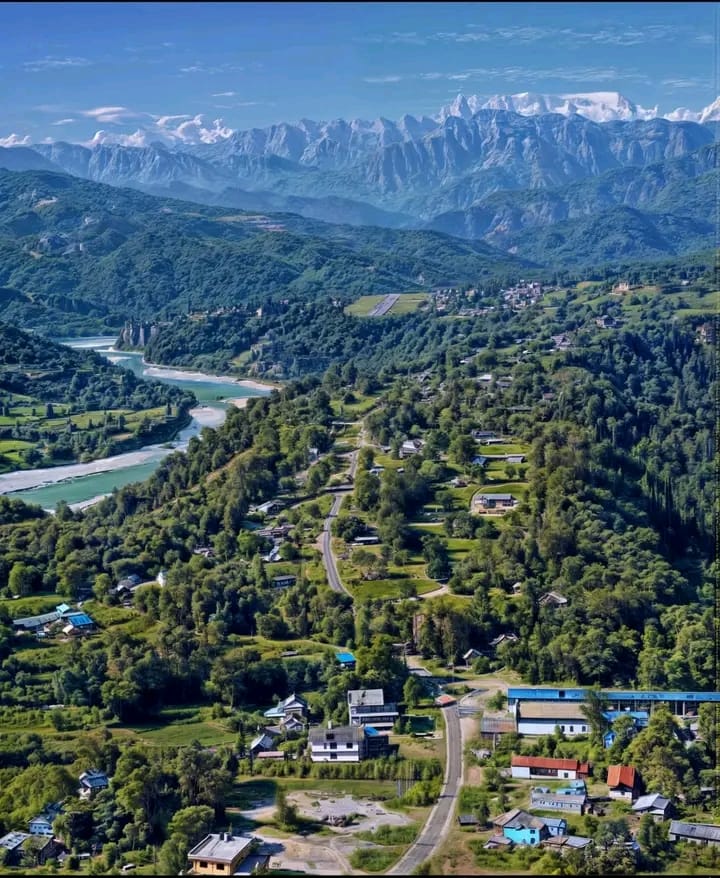
Arun Valley, located in eastern Nepal, is known as the world’s deepest valley, carved by the mighty Arun River flowing between some of the highest mountains on Earth. Nestled between Mount Everest to the west and Mount Kanchenjunga to the east, Arun Valley is a place of extraordinary natural beauty, rich biodiversity, and deep cultural heritage.
Despite its global geographical importance, the valley remains relatively untouched, making it one of Nepal’s most fascinating yet less-explored destinations.
The most remarkable feature of Arun Valley is its dramatic depth. The valley lies at a very low elevation while being surrounded by towering Himalayan peaks such as Makalu, Chamlang, and Baruntse.
This extreme difference in altitude creates stunning landscapes where subtropical forests coexist with alpine terrain within a short distance. Lush green hills, deep gorges, roaring rivers, waterfalls, and snow-covered mountains combine to create scenery that feels both powerful and peaceful.
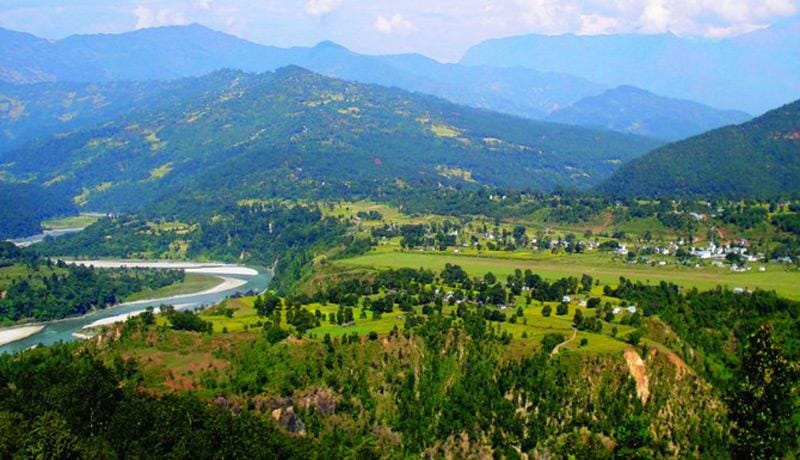
The Arun River, one of the largest tributaries of the Koshi River system, is the lifeline of the valley. Originating from Tibet, the river flows south through steep gorges, shaping the valley over millions of years. Its strong currents and pristine waters add raw beauty to the region and support agriculture, wildlife, and daily life for local communities.
The sound of the river echoing through the valley is a constant reminder of nature’s strength.
Arun Valley is also part of the greater Makalu-Barun ecosystem, which is considered one of the richest biodiversity zones in the world.
Due to its wide range of elevations and climates, the valley is home to thousands of plant species, rare orchids, medicinal herbs, and dense forests of rhododendron, sal, bamboo, and pine.
Wildlife such as red pandas, Himalayan black bears, clouded leopards, musk deer, and countless bird species thrive in this environment.
For nature lovers, researchers, and wildlife photographers, Arun Valley is a natural treasure.
Tourism in Arun Valley is still developing, but it holds enormous potential. Unlike crowded trekking routes such as Everest or Annapurna,
Arun Valley offers a peaceful and authentic experience. Trekkers who explore this region enjoy quiet trails, untouched villages, and deep connection with nature.
The Arun Valley trek is often described as challenging but rewarding, taking travelers through forests, suspension bridges, terraced farms, and remote settlements with breathtaking views at every turn.
Adventure tourism is a key attraction of the valley.
Trekking, river exploration, camping, bird watching, and nature photography are popular activities.
The valley also serves as an alternative route to Makalu Base Camp, attracting experienced trekkers who seek wilderness and solitude.
Because the area is less commercialized, visitors experience genuine hospitality rather than luxury tourism.
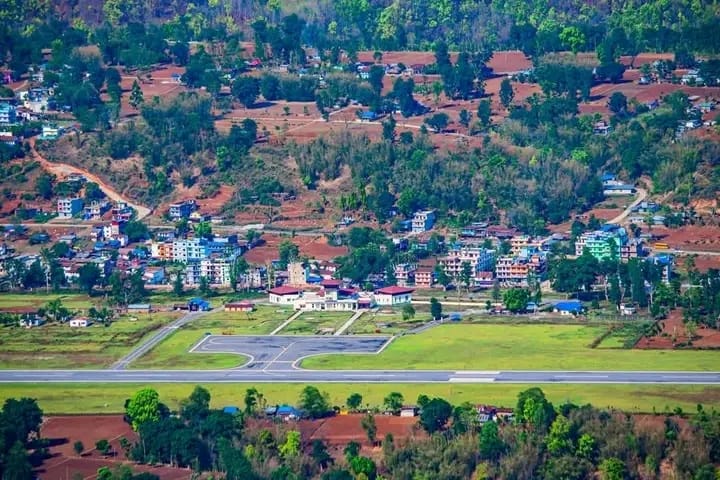
The lifestyle of people living in Arun Valley is deeply connected to nature. The valley is home to ethnic communities such as Rai, Limbu, Sherpa, and other hill groups.
These communities have preserved their traditions, languages, and cultural practices for generations.
Their homes are simple, often made from stone and wood, designed to adapt to the mountainous terrain and climate.
Agriculture is the main occupation of the local people. Terraced farming is practiced on steep hillsides, where crops such as rice, maize, millet, potatoes, and vegetables are grown.
Livestock farming, including cattle, goats, and yaks in higher regions, plays an important role in daily life. People depend on forests for firewood, fodder, and medicinal plants, using natural resources carefully and respectfully.
Community life in Arun Valley is strong and cooperative. Festivals, rituals, and traditional dances are celebrated together, strengthening social bonds.
Local foods are simple yet nutritious, often organic and homegrown. Despite limited access to modern facilities, people maintain a balanced lifestyle rooted in harmony with nature.
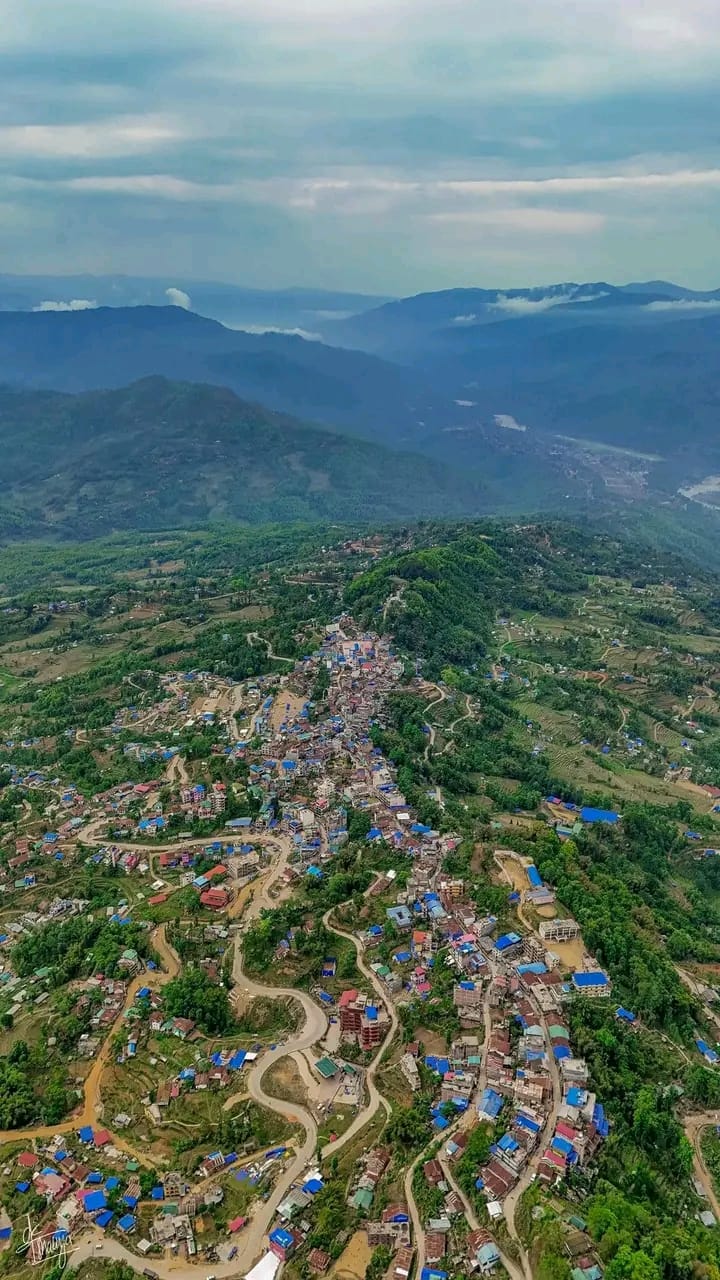
In recent years, development has slowly reached the Arun Valley in the form of roads, hydropower projects, schools, and healthcare services.
While development has improved living standards, locals and conservationists emphasize the importance of sustainable growth to protect the valley’s fragile environment and cultural identity.
In conclusion, Arun Valley is not just the world’s deepest valley in terms of geography, but also one of the deepest in natural beauty, cultural richness, and human resilience.
Its dramatic landscapes, biodiversity, peaceful tourism potential, and simple yet meaningful lifestyle make it one of Nepal’s most valuable natural regions.
Arun Valley stands as a reminder that true beauty lies where nature and human life exist in harmony.