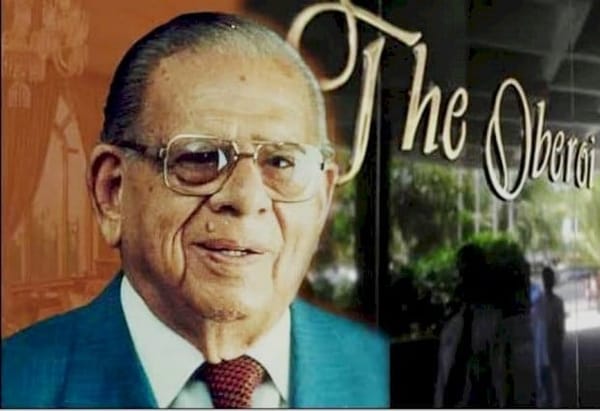
Why the World's Best Hotels Invest More in Staff Than in Buildings
In the global hospitality industry, billions of dollars are spent every year on luxury architecture, interior design, and advanced technology. Grand lobbies, expensive marble floors, designer furniture, and stunning views often become the visual identity of a hotel.

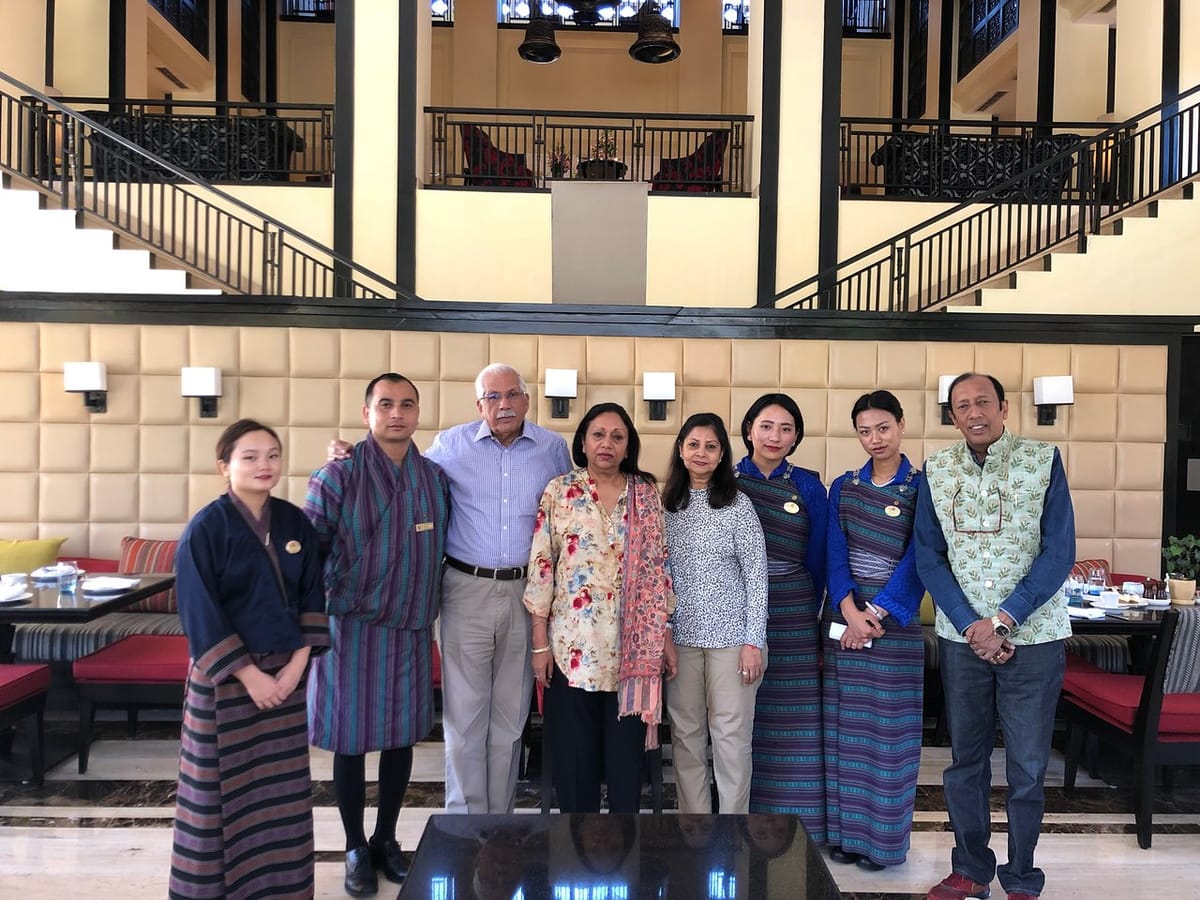
In the global hospitality industry, billions of dollars are spent every year on luxury architecture, interior design, and advanced technology. Grand lobbies, expensive marble floors, designer furniture, and stunning views often become the visual identity of a hotel.
However, when researchers and hospitality experts study what actually creates guest loyalty, the answer is rarely the building.
The real driver of success in hospitality is people.
The world’s most successful hotels understand a fundamental truth:
“Luxury is not defined by walls and chandeliers, but by the people who welcome you.”
Guests may admire a building for a moment, but they remember how they were treated for years. Because of this, leading hotels invest heavily in:
- staff training
- employee wellbeing
- professional development
- leadership programs
- service culture
Many hospitality studies confirm that employee satisfaction strongly influences customer satisfaction and hotel profitability.
In other words, the strongest foundation of a hotel is not concrete — it is human connection.
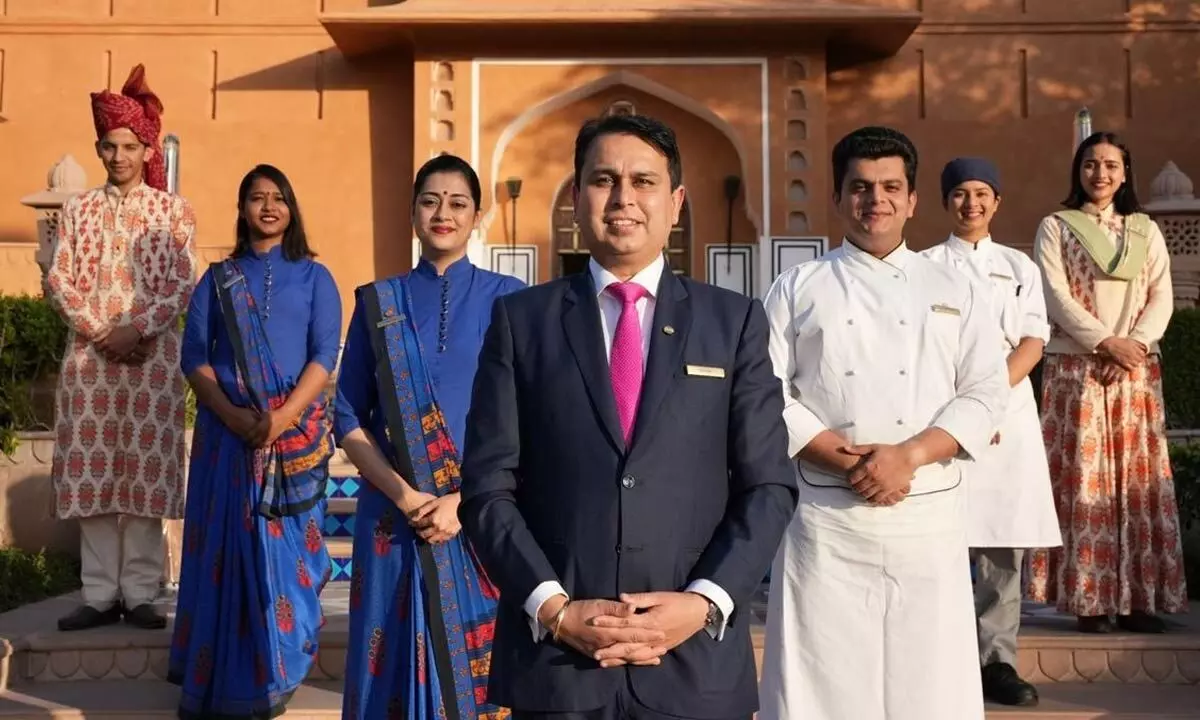
1. Hospitality Is a Human Industry
Unlike many other industries, hospitality is built almost entirely on human interaction.
A guest’s experience inside a hotel includes multiple emotional touchpoints:
- arrival at the entrance
- check-in at reception
- interaction with housekeeping
- restaurant service
- concierge assistance
- problem resolution
Every one of these moments depends on staff behavior, professionalism, and attitude.
A beautiful building cannot solve a guest’s problem.
A trained employee can.
This is why hospitality experts often say:
“Hotels sell sleep, but they deliver emotions.”
When staff members are properly trained and empowered, they transform ordinary service into memorable experiences.

2. Staff Are the True Brand Ambassadors
In most industries, the brand is represented by a product.
In hospitality, the brand is represented by people.
Guests interact with employees hundreds of times during their stay. Every interaction shapes their perception of the hotel.
If the service is:
- warm
- attentive
- professional
- authentic
the guest will remember the hotel positively.
But if the staff appear:
- tired
- unmotivated
- poorly trained
then even a five-star property can feel disappointing.
This is why global hospitality brands invest strongly in service culture.
“A hotel’s reputation travels in the attitude of its staff.”

3. The Economics of Employee Satisfaction
Research across the hospitality sector consistently shows a strong connection between employee satisfaction and guest satisfaction.
Hotels that provide better working conditions often experience:
- higher staff motivation
- lower employee turnover
- improved service quality
- stronger guest loyalty
When staff feel respected and fairly compensated, they naturally perform better.
A motivated employee is more likely to:
- remember guest preferences
- respond quickly to problems
- go beyond basic service
- create emotional connections with guests
This is why many successful hotels prioritize employee wellbeing programs.
“When employees feel valued, guests feel valued.”
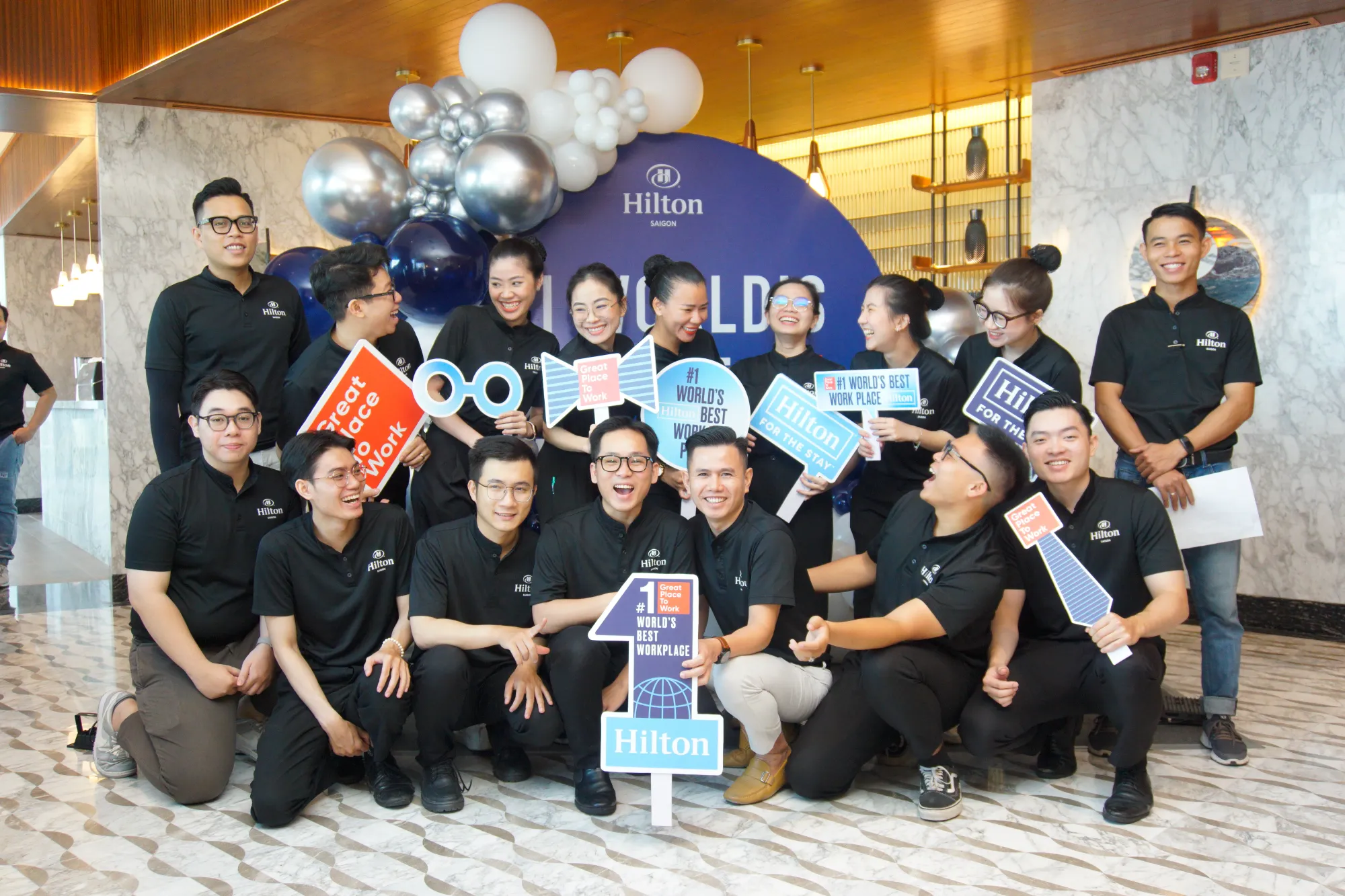
4. Training: The Hidden Investment Behind Five-Star Service
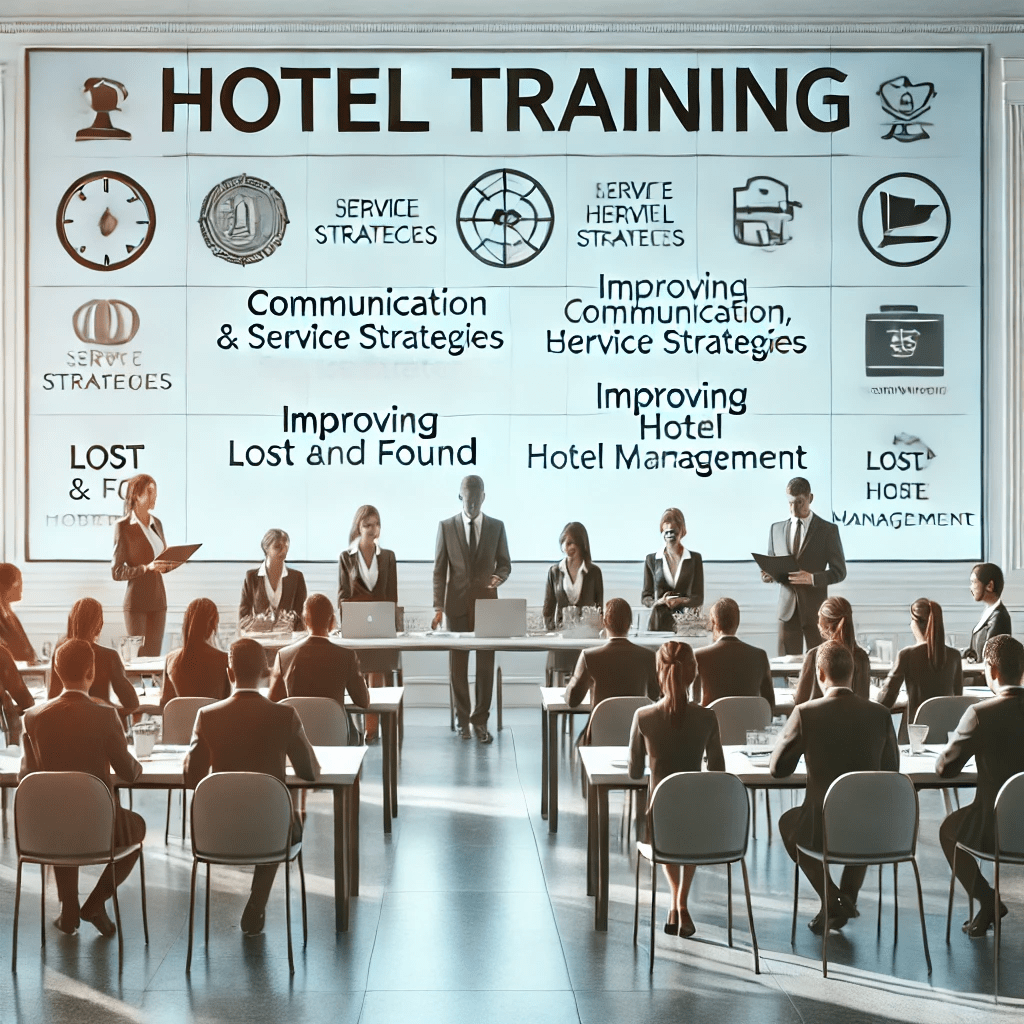
One of the most significant investments made by top hotels is employee training.
Hospitality training programs often include:
Service Psychology
Understanding guest expectations and emotions.
Cultural Intelligence
Serving guests from diverse nationalities and backgrounds.
Communication Skills
Handling complaints, requests, and special situations professionally.
Attention to Detail
Recognizing subtle guest preferences.
Crisis Management
Resolving unexpected situations calmly and efficiently.
Some luxury hotels even conduct months of training before employees interact with guests.
This training ensures that service remains consistent and exceptional.
“In hospitality, perfection is achieved through preparation.”
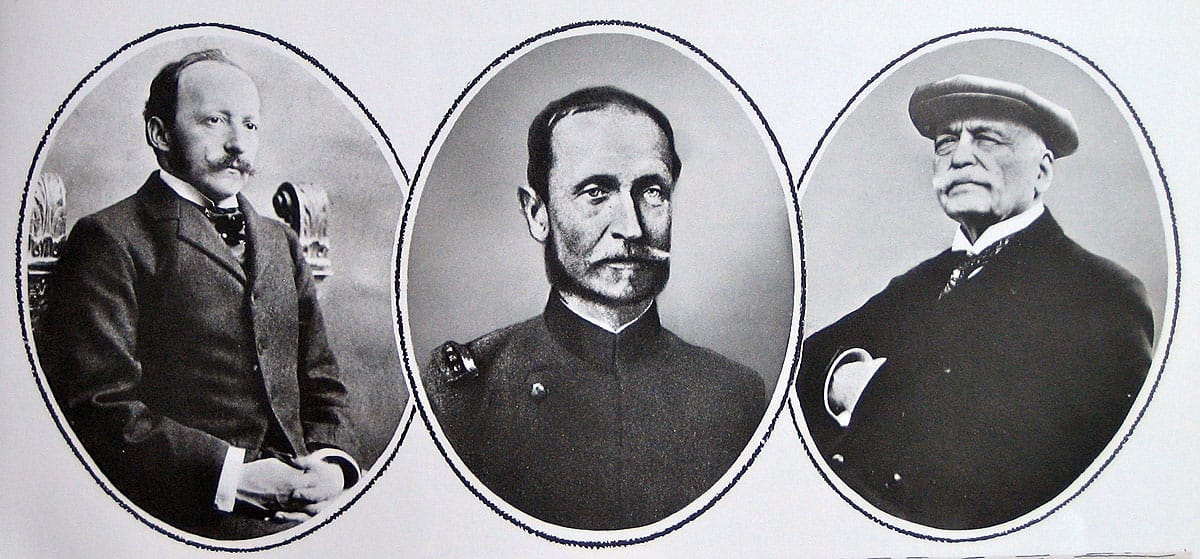
5. Biography Insight: César Ritz – The Father of Modern Hospitality
To understand the importance of service culture, it is worth looking at one of the most influential figures in hotel history.


César Ritz
César Ritz was a Swiss hotelier who revolutionized luxury hospitality in the late 19th century.
He believed that the success of a hotel depended more on service than on architecture.
Ritz focused heavily on:
- staff discipline
- attention to detail
- guest comfort
- personalized service
His philosophy transformed hotels into places of refined hospitality rather than simple accommodation.
Today, his legacy continues through luxury hospitality standards around the world.
“The customer is never wrong.” – César Ritz
6. Technology Cannot Replace Human Warmth
Modern hotels use advanced technologies:
- automated check-in systems
- smart room controls
- AI concierge services
- digital booking platforms
While technology improves efficiency, it cannot replace human warmth.
Guests still appreciate:
- genuine smiles
- thoughtful conversation
- personal recommendations
- empathetic problem solving
These elements can only be delivered by skilled hospitality professionals.
“Technology improves service speed, but people create service warmth.”

7. Why Well-Paid Staff Deliver Better Service
Compensation also plays an important role in hospitality performance.
When employees receive fair wages and opportunities for growth, they develop stronger commitment to the organization.
Well-paid and respected staff are more likely to:
- remain loyal to the hotel
- maintain professional standards
- care about guest satisfaction
In contrast, poorly compensated staff may feel disconnected from their work.
This directly impacts guest experience.
“A hotel cannot deliver luxury service with exhausted employees.”

8. Lessons for Hospitality Students
For students studying Hotel Management, this lesson is extremely important.
Your future success in hospitality will not depend only on academic knowledge.
It will depend on your ability to:
- communicate effectively
- understand human behavior
- solve problems quickly
- deliver memorable service
The most successful hospitality professionals are those who understand that service is an art as well as a skill.
“In hospitality, your attitude becomes your greatest qualification.”

9. What Smart Hotel Owners Understand
Hotel owners who focus only on buildings may struggle to create lasting guest loyalty.
However, those who invest in people development often build stronger brands.
Long-term hospitality success depends on:
- leadership culture
- employee empowerment
- training programs
- staff recognition
- internal teamwork
The most successful hotels in the world build great teams before great buildings.
“The strongest structure in hospitality is a motivated team.”

10. Case Study: Why Marriott Is Known for the Best Career Growth in Hospitality
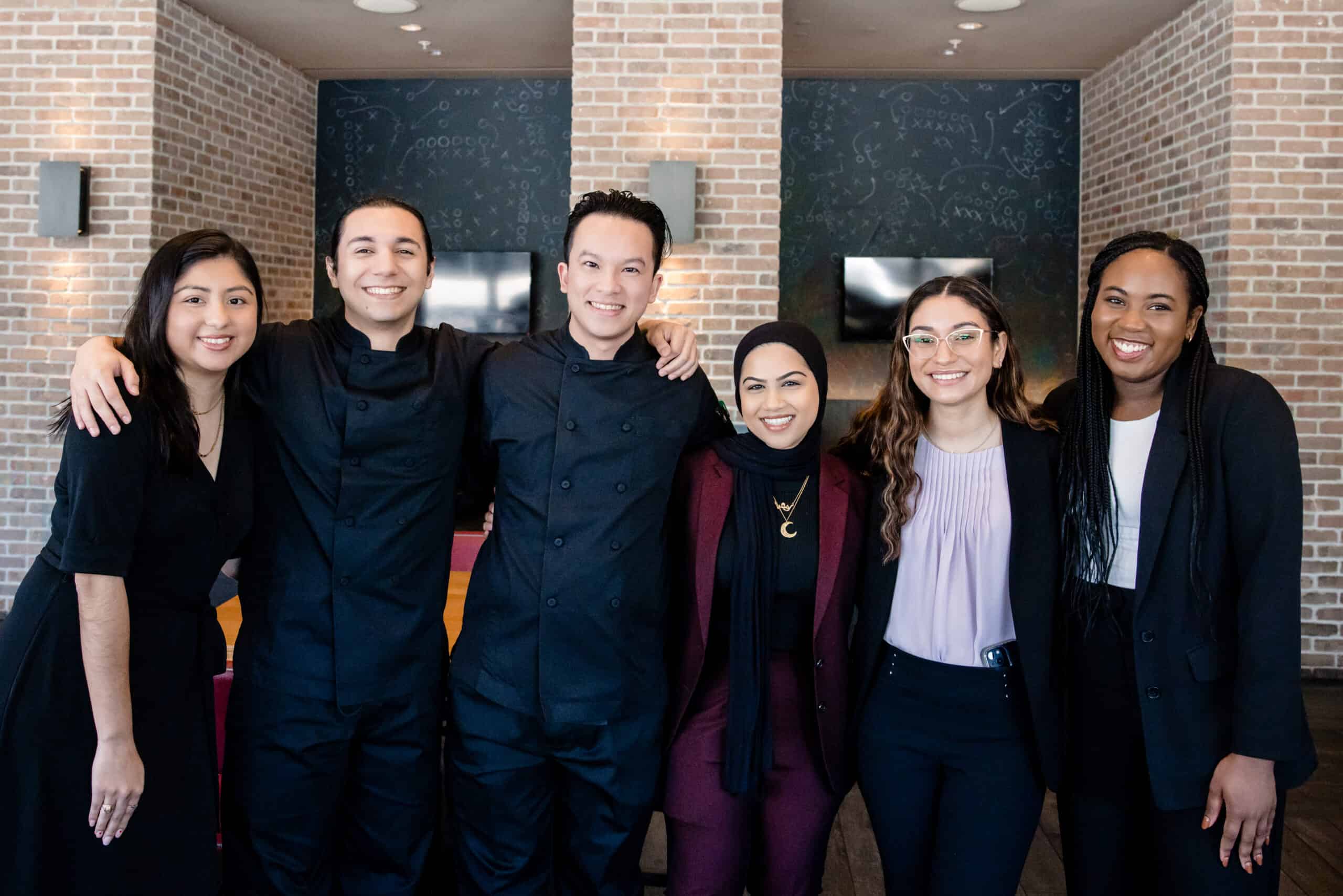
One of the strongest examples of investing in people rather than just buildings is Marriott International.
Founded by J. Willard Marriott, the company built its global reputation not only through luxury hotels but through its commitment to employee development.
Today Marriott operates thousands of hotels in more than 130 countries, and one of the key reasons behind its global success is its strong focus on career growth and internal promotion.
Marriott follows a philosophy that if employees grow, the company grows.
Instead of constantly hiring managers from outside, the company prefers to develop leaders internally. Many senior executives and hotel general managers within Marriott started their careers in entry-level positions such as:
- front desk associates
- waiters
- housekeeping attendants
- kitchen assistants
Through continuous training, mentorship, and leadership programs, employees are given the opportunity to rise through the organization.
This approach creates a powerful culture where employees feel motivated to stay long term.
“Take care of associates and they will take care of the customers.”
— J. Willard Marriott
Marriott’s internal programs focus on:
• leadership development
• hospitality education
• cross-department training
• international career opportunities
• management training programs
Because of these initiatives, Marriott is widely recognized as one of the best hospitality companies in the world for career growth and employee development.
Many hospitality students around the world dream of working for Marriott not only because of its global reputation, but because it offers a clear professional pathway from entry-level roles to leadership positions.
This example demonstrates an important lesson for the hospitality industry:
Hotels that invest in their employees build stronger brands, stronger teams, and stronger guest loyalty.
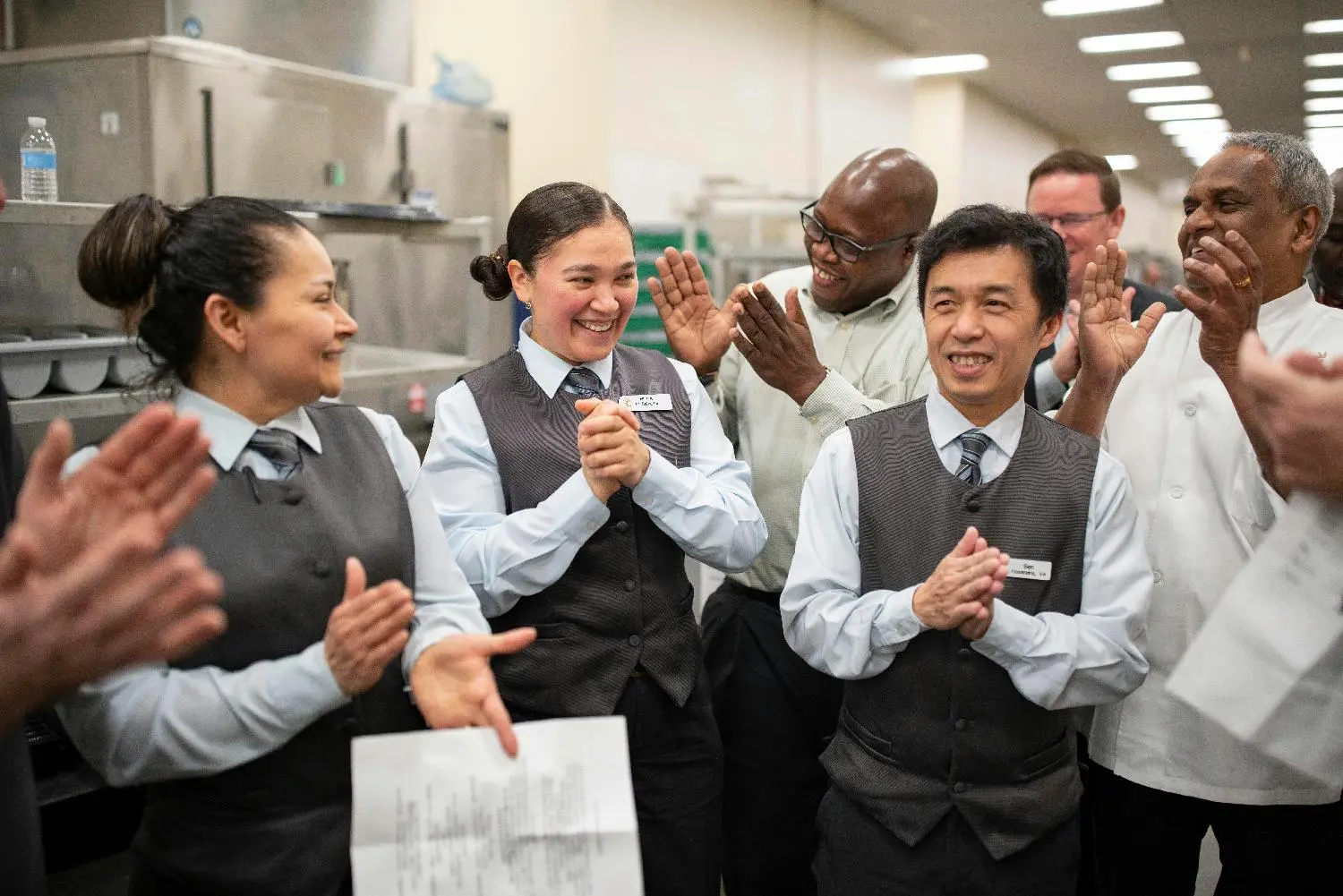
“Careers at Marriott International - Employee Stories”
Conclusion: The Real Luxury of Hospitality
When guests look back at their travel experiences, they rarely remember the size of the lobby or the cost of the furniture.
Instead, they remember moments:
- the receptionist who greeted them warmly
- the waiter who remembered their favorite drink
- the concierge who solved their problem
These moments are created by people.
That is why the world’s best hotels invest more in staff than in buildings.
Because the most valuable asset of any hotel is not the property.
It is the people who bring it to life.
“Buildings house guests, but people create hospitality.”