Why Modern Stress Is Dangerous
In ancient times, stress arose from immediate physical threats such as tigers, war, and natural disasters. These dangers were short-term, and once they passed, the body naturally returned to a state of balance.

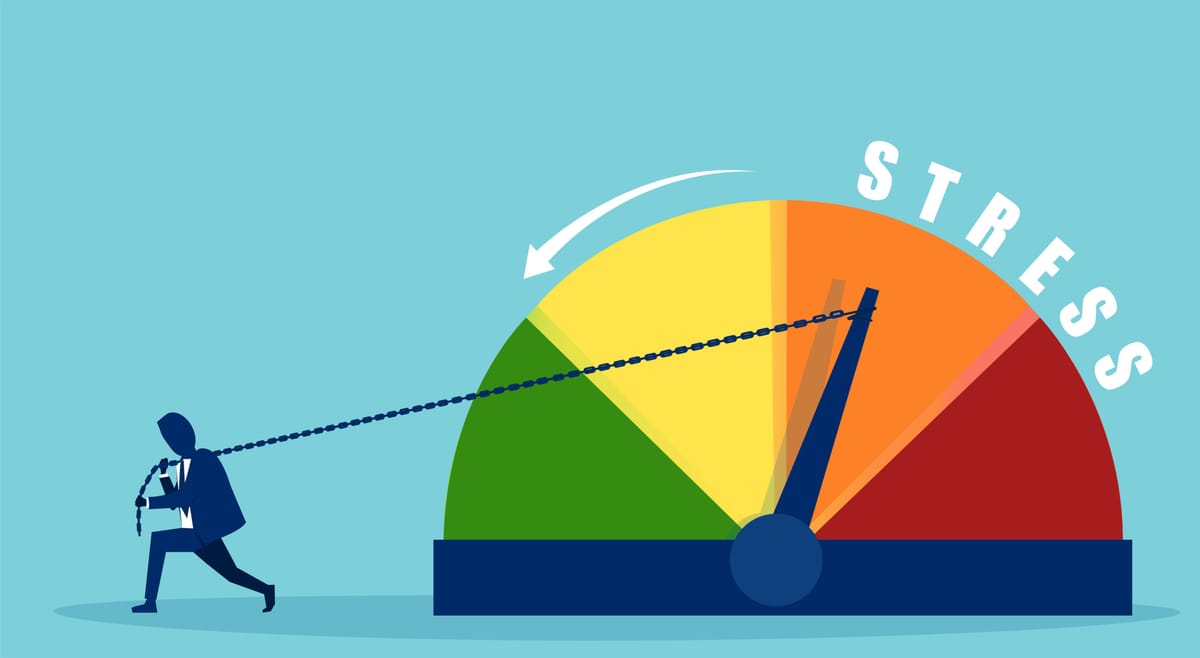
Stress is often misunderstood as just an emotional reaction. Many people say, “I am stressed,” without fully understanding what is happening inside their body. But scientifically, stress is not just a feeling, it is a biological survival mechanism.
According to the stress reduction concept, stress is essentially the body’s emergency reaction. It is the same system that helped early humans survive life-threatening dangers. The problem today is not the system itself, the problem is how often and unnecessarily it is activated.
To manage stress effectively, we must first understand it deeply.
What Is Stress? A Scientific Explanation
Stress is the body’s natural response to perceived danger, pressure, or threat—whether real or imagined, physical or psychological—triggered by fear, pressure, worry, anger, or uncertainty; when these arise, the brain signals that something is wrong and the body automatically shifts into emergency mode, initiating immediate physical changes to prepare for survival without checking whether the threat is truly real.
The Fight-or-Flight Response: The Body’s Survival System
When stress strikes, the body activates what scientists call the fight-or-flight response. This system is controlled by the sympathetic nervous system.
When the fight-or-flight response activates, several powerful changes occur:
- Heart rate increases to pump more blood to muscles
- Blood pressure rises
- Breathing becomes faster to increase oxygen supply
- Muscles tighten in preparation for action
- Adrenaline is released
- Cortisol (stress hormone) is released
- Glucose (energy) is released into the bloodstream
These changes help a lot in short-term danger. If someone is being chased by a wild animal, these reactions help them survive. The body becomes stronger, faster, and more alert. This system is made to keep us alive. But here is the problem.
Old Stress vs. Modern Stress
In ancient times, stress arose from immediate physical threats such as tigers, war, and natural disasters. These dangers were short-term, and once they passed, the body naturally returned to a state of balance.
In modern life, stress often stems from psychological and social pressures such as exams, job demands, money problems, relationship conflicts, social comparison, and uncertainty about the future.
 Swami Devraj
Although the danger is rarely physical, the body reacts in exactly the same way—when you worry about an exam or fear losing money, your heart rate rises as if a tiger were standing in front of you, because the mind can create stress even without a real physical threat, and unlike ancient survival stress that was short-term, modern stress continues daily.
Why Stress Becomes a Medical Problem
Stress becomes dangerous when it is long-term, repeated, psychological, and unresolved. The human body is designed for short bursts of stress, not continuous activation; when adrenaline and cortisol remain elevated over extended periods, they start to harm the body instead of protecting it, gradually turning chronic stress into disease. This is why stress is now recognized as a medical issue, not just an emotional concern.
The Stress-Disease Pathway: How the Loop Begins
Stress follows a predictable cycle that begins with a thought—Thought → Alarm → Hormone Release → Muscle Tension → Symptoms → More Stress. For example, a person thinks, “What if I fail?” The brain sends an alarm, hormones are released, the body becomes tense, and symptoms such as headache or rapid heartbeat appear; these symptoms then create more worry, reinforcing the cycle.
This is why people often feel trapped in stress—it becomes a self-strengthening loop that grows stronger without intervention.
Effects of Chronic Stress on the Body
Long-term stress affects almost every organ system.
1. Brain and Memory
Chronic stress damages the hippocampus, the brain region responsible for memory and learning, leading to poor memory, difficulty concentrating, anxiety, and depression. Prolonged exposure to cortisol weakens neural connections, impairing cognitive function and undermining emotional stability.
2. Heart and Blood Pressure
Stress elevates heart rate and blood pressure, and over time, this can lead to hypertension, an increased risk of heart attack, and stroke. By forcing the heart to operate in emergency mode repeatedly, chronic stress places constant pressure on the cardiovascular system, gradually weakening its overall health.
3. Immune System
Short-term stress may temporarily boost immunity, but chronic stress weakens it, leading to frequent infections, slow wound healing, increased inflammation, and a higher risk of autoimmune problems. Prolonged stress diminishes the body’s natural defense mechanisms, leaving it more vulnerable to illness.
4. Digestive System
Stress directly affects the stomach and intestines, potentially causing acidity, ulcers, and Irritable Bowel Syndrome (IBS). Because the gut and brain are closely connected, when the brain experiences stress, digestive processes are disrupted, leading to discomfort and gastrointestinal issues.
5. Reproductive System
Chronic stress suppresses reproductive hormones, which may lead to low libido, fertility issues, and menstrual irregularities. During prolonged stress, the body shifts its priority toward survival rather than reproduction, conserving energy for immediate protection instead of long-term biological functions.
6. Metabolism and Weight
Stress increases cravings—particularly for sugary and high-fat foods—while simultaneously promoting fat storage, especially in the abdominal region. Over time, this physiological pattern can contribute to obesity, insulin resistance, and Type 2 diabetes. The body conserves and stores energy because it interprets stress as a signal that danger is ongoing and resources may soon be needed for survival.
 Umesh Kumar Bhagat
Why Modern Stress Is More Harmful Than Ancient Stress
The most dangerous aspect of modern stress is that it is largely psychological—there is no tiger and no war, yet the body reacts as if danger is constant. Unlike ancient physical threats, modern stress is mental, long-term, repetitive, and emotionally driven, making it even more damaging; a system designed to protect us becomes harmful when activated daily without adequate recovery.
The Silent Nature of Stress
Stress rarely announces itself loudly in the beginning; it starts quietly—with a slight headache, mild sleep disturbance, small irritability, or minor digestive discomfort. Over time, these subtle signs accumulate, and when left uncontrolled, stress can become a silent killer. That is why understanding stress scientifically is the first and most important step toward managing and preventing its long-term damage.
A Key Understanding
The body operates in two primary modes: Stress Mode (Sympathetic Nervous System—fight or flight) and Calm Mode (Parasympathetic Nervous System—rest and digest); when stress mode dominates for prolonged periods, disease can develop. The solution is not to eliminate stress entirely—that is impossible—but to restore balance by activating the body’s natural relaxation system. In the next article, we will explore the relaxation response, a scientific method that helps reverse stress damage and restore health.