Why Is Upgrading Important for Hospitality Excellence?


There is a clear difference between change and upgrade. Change can be temporary, reactive, or cosmetic. Upgrade, however, is intentional, strategic, and progressive. Change may alter the surface, but upgrade transforms the foundation.
In the context of Nepal’s hospitality education and industry, the real issue is not that nothing is changing; it is that very little is truly upgrading. This silent gap between change and upgrade is one of the biggest barriers preventing Nepal from becoming a globally recognized center for hospitality excellence.
Upgrading means improving standards without losing identity. It means aligning with present global trends while remaining deeply rooted in our culture, values, and traditions. Nepal possesses one of the richest hospitality cultures in the world.
The concept of “Atithi Devo Bhava” is not a slogan here; it is a lived reality. Our warmth, humility, and respect for guests are naturally embedded in our society.
However, natural hospitality alone is not enough in the modern world. Today’s hospitality industry demands technical knowledge, digital competence, service precision, strategic thinking, and international exposure.
Without upgrading systems, institutions, and mindsets, we risk remaining locally appreciated but globally overlooked.
Many institutions focus on visible changes such as adding new courses, renovating buildings, or updating brochures.
While these changes may create a temporary impression, they do not necessarily elevate quality. Upgrading requires deeper reform.
Curriculum must be aligned with global industry standards. Teaching methodologies must shift from purely theoretical instruction to experiential learning.
Students must not only learn recipes and room setups but also understand guest psychology, crisis management, sustainability practices, revenue strategies, and emerging hospitality technologies.
 EHL Graduate School
The global hospitality landscape is evolving rapidly. Artificial intelligence is being used in reservations and guest services. Sustainability is no longer optional but mandatory.
Personalized experiences are replacing standardized services. Data-driven decision-making is shaping hotel management.
If Nepali institutions continue teaching outdated content without integrating current industry trends, students will graduate with knowledge that is already behind.
Upgrading means continuously reviewing and modernizing curriculum, training faculty in current practices, and building strong partnerships with international institutions and brands.
Upgrading also involves professionalism in execution. The way programs are conducted, the discipline maintained, the communication style used, and the culture practiced within colleges and hotels all reflect the level of seriousness.
Professionalism is not about wearing formal attire alone; it is about consistency, punctuality, accountability, and quality control. If institutes aspire to global recognition, they must operate with global standards every single day.
International students will not choose a destination simply because it is beautiful; they will choose it because it guarantees quality education, exposure, safety, and career growth.
Another area requiring upgrade is faculty development. Teachers are the backbone of any academic institution. Without continuous training and exposure, even the most passionate educators can become outdated in their methods.
Upgrading means investing in faculty exchange programs, industry immersion opportunities, research development, and international certifications. When teachers grow, students grow. When students grow, institutions rise.
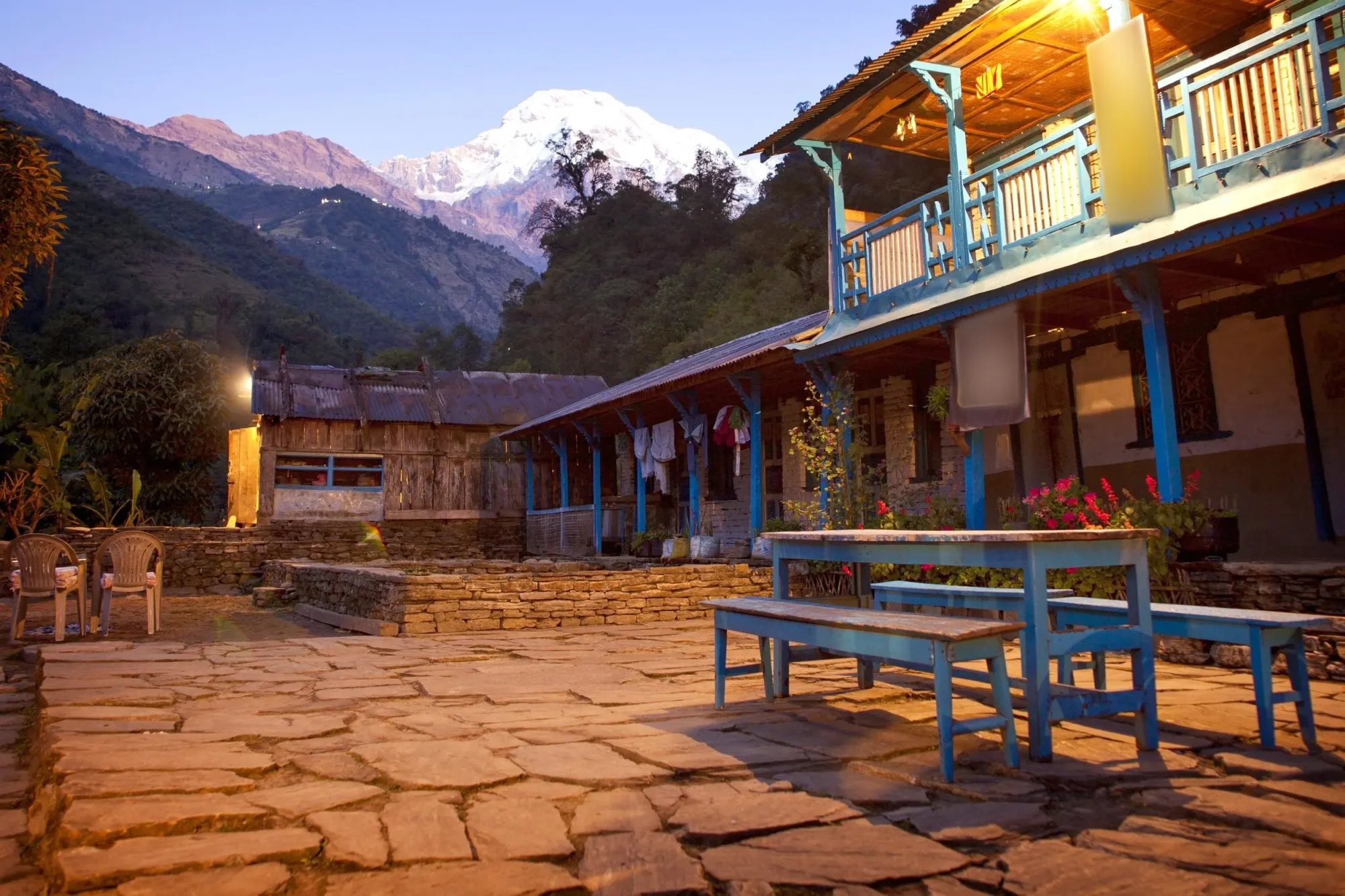
Infrastructure also needs thoughtful upgrading. Hospitality education cannot thrive in classrooms alone. Modern training kitchens, simulation labs, front office practice environments, and smart classrooms are essential.
However, infrastructure upgrade does not mean luxury; it means relevance. Equipment must reflect what students will encounter in real hotels and restaurants.
Technology must mirror current industry standards. If students practice in outdated environments, the transition to professional settings becomes difficult.
Beyond physical resources, mindset is perhaps the most critical area for upgrading.
There must be a shift from average ambition to global ambition. Too often, institutions aim to meet minimum requirements rather than setting international benchmarks.
To become the best in the world, the vision must be bold and clear. Institutions must ask themselves not how to compete locally, but how to compete globally. This requires courage, long-term planning, and willingness to invest in quality over shortcuts.
At the same time, upgrading should never mean abandoning roots. Nepal’s culture, traditions, festivals, cuisine, and community values are unique strengths.
The world is searching for authentic experiences. By integrating traditional hospitality practices with modern management systems, Nepal can create a distinctive identity in global hospitality education.
Students can learn international service standards while mastering local culinary heritage and cultural hosting practices. This balance between global relevance and cultural authenticity can become Nepal’s greatest competitive advantage.
The path to becoming the best is not unrealistic. Nepal has passionate youth, natural tourism assets, and a deeply ingrained hospitality spirit.
What is required is structured upgrading across every level, curriculum, faculty, infrastructure, leadership, professionalism, and vision. When upgrading becomes a continuous culture rather than a one-time effort, transformation becomes inevitable.
If institutions focus on genuine upgrading instead of superficial changes, Nepal can emerge as a respected hub for hospitality education.
International students will not just visit Nepal for trekking and mountains; they will come to learn hospitality from a nation that lives it naturally and teaches it professionally.
The potential already exists. What remains is the collective commitment to elevate standards, refine systems, and believe that Nepal can truly stand among the best in the world without losing the soul that makes it special.