Why Businesses Needs Personal Branding


In 2026 businesses are no more depending on their headline,taglines, logos, and polished marketing efforts to deliver the job. The market no longer responds to brands and their visuals,designs,elements and words, they respond to people. Customers wants to see the brain behind the vision and the voice that carries the brand, that's were personal branding takes root.
Personal Branding is simply crafting and promoting a unique identity that reflects your expertise, values and personality. When it comes to businesses, it means harmonizing the individual identity with a company's mission, values,and goals to amplify growth and credibility. This means leveraging founders, executives or key leaders as trust anchors for the company itself.
Businesses landscapes has permanently changed, brands no more rely on advertisement efforts to stand firm in the competitive market. with the increasing number of competitors across industries, marketing efforts is no longer sufficient in capturing attention and sustaining loyalty. As a result, businesses must adopt a more authentic and relationship-driven approach to remain relevant -and this where personal branding becomes essential.
Personal Branding allows business to humanize their operations. Modern consumers prefer to connect with people rather faceless organizations. Research in consumer behavior shows that trust plays a major role in purchasing decisions, and trust is more easily built through relatable individuals than through corporate advertisement.
Furthermore, personal branding strengthens credibility and authority. while many companies may offer similar products or services,the personality,perspective,and thoughtful leadership of the individual behind the brand can set the business apart.
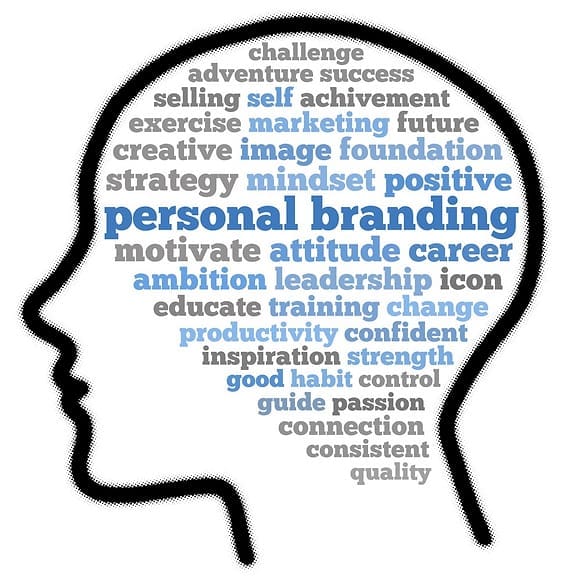
How to Build a Personal Business Brand
Building a Personal Brand for a business is like creating a lighthouse in a busy harbor - it guides people to you, makes the brand visible, and sets its apart from its competitors. Here's is a basic approach to building a personal brand that stands out.
Define Brand Identity
•Clarity: Be clear about what the brand stands for in terms of its offers and what it would be known for. A confused identity creates a confused audience.
•Values: Identifying brands core values. These guide your decisions, content, and how people perceives the brand.
•Strengths & skills: Understanding brands keys strengths and expertise. The brand should highlight what the brand does and its offers.
Identify Target Audience
•Specificity: A personal brand cannot effectively serve everyone; it must focus on a specific audience. A define audience helps structure what the brand message should be about and to whom.
•Pain Point: Understanding audiences challenges, goals, desire, needs can help in structuring how the brand/business should position itself as a solution to its audience.
•Positioning: This is how a brand is presented to its audience, it involves speaking directly to their needs using languages they can easily relate to and understand.
Craft a Core Message
•Consistency: Develop a message that clearly communicates the brands values, offers and voice and repeat it across all platforms.
•Uniqueness: A brands unique approach starts with a clear perspective, this is what makes it different from others. Highlighting this brands attribute helps encourage brand influence.
•Simplicity: A brands message should be kept simple, concise, and easy to remember. If people can't explain what the brand does then the message might be the problem.
Build an Online Presence
•Visibility: If people cannot find you, they cannot trust or buy from you. An online presence increases visibility and attracts opportunities.
•Platform Strategy: Focus on platforms where your audience is active, such as LinkedIn, Instagram, or X. Consistent presence builds authority over time.
•Brand Positioning: Your content should reinforce your expertise and make your business top-of-mind in your industry.
Networking And Credibility
•Strategic Networking: Networking increases visibility, partnerships, referrals, and business opportunities. Relationships drive business growth.
•Authority Building: Engaging with industry leaders and communities strengthens your credibility and brand trust.
•Reputation Growth: A strong network amplifies your message, helping your personal brand directly contribute to business expansion.
Build Relationship
•Trust Building: Personal Branding helps people connect with you beyond the brands products or services and its offers. Trust drives buying decisions.
•Long-Term Loyalty: A strong personal brand must build a strong relationship with its audience, this fosters referrals, and brand advocates.
Conclusion
In conclusion, personal branding is no longer optional in today’s competitive business environment. As traditional advertising becomes less effective, businesses must rely on authenticity, clarity, and consistent engagement to stand out. A strong personal brand builds trust, increases visibility, and strengthens credibility. By communicating value clearly and connecting meaningfully with audiences, businesses can position themselves for long-term growth and lasting influence in their industry.
Therefore, businesses and professionals must take intentional steps toward building and refining their personal brands. Start by clarifying your message, identifying your audience, and choosing platforms that align with your goals. Invest in consistent value-driven communication and meaningful relationships.
In a marketplace where perception influences decisions, your personal brand is your competitive advantage. The time to build it strategically is now.