What is Nipah Virus and How to Get Rid of It?

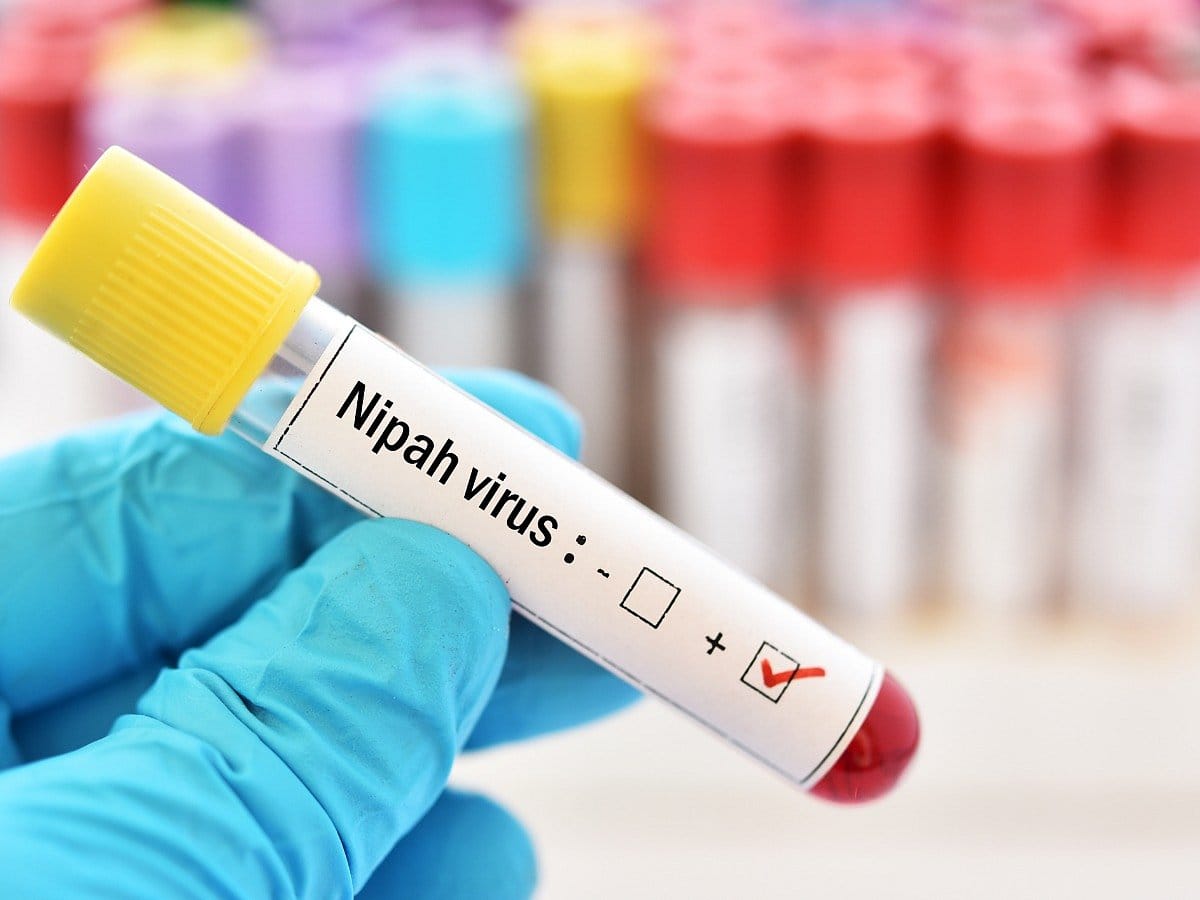
If you've been hearing about Nipah virus in the news and wondering what all the concern is about, you're not alone. This deadly pathogen has been making headlines, especially in South and Southeast Asia, and for good reason. With a mortality rate that can soar above 70 percent, Nipah virus represents one of the most serious emerging infectious disease threats we face today.
Let me walk you through what you need to know about this virus, how it spreads, and most importantly, how we can protect ourselves from it.
The Origins: Where Did Nipah Come From?
Nipah virus first emerged in 1999 during a devastating outbreak among pig farmers in Malaysia. Scientists quickly identified the culprit: a new virus carried by fruit bats, specifically the flying fox species. These large bats serve as the natural reservoir for the virus, carrying it without getting sick themselves. Since that initial outbreak, Nipah has appeared periodically across Bangladesh, India, and other parts of Asia, each time reminding us of the dangers lurking at the intersection of human, animal, and environmental health.
How Does Nipah Spread?
Understanding transmission is key to protection. Nipah virus can reach humans through several different routes, which makes it particularly challenging to control.
The most common pathway is through contaminated food, especially raw date palm sap. Fruit bats often feed on date palm trees at night, and their saliva or urine can contaminate the sap that's collected for human consumption. Fresh fruits that bats have bitten or touched can also become vectors for transmission.
Direct contact with infected animals, particularly pigs, represents another major transmission route. The 1999 Malaysian outbreak spread rapidly through pig farms before jumping to humans who worked closely with the animals.
Perhaps most concerning is the virus's ability to spread from person to person. Close contact with infected individuals, particularly exposure to their respiratory secretions or bodily fluids, can transmit the virus. This makes healthcare workers and family caregivers especially vulnerable during outbreaks.
Recognizing the Symptoms
Nipah virus infection typically begins innocently enough, with symptoms appearing 4 to 14 days after exposure. Initial signs include fever, headache, muscle pain, vomiting, and sore throat. You might mistake these early symptoms for the flu or another common illness.

But Nipah doesn't stay mild for long. As the infection progresses, patients often develop severe neurological symptoms including dizziness, drowsiness, disorientation, and altered consciousness. The virus causes acute encephalitis, or brain inflammation, which can be devastating. Some patients also experience acute respiratory distress.
In the worst cases, patients can slip into a coma within 24 to 48 hours of symptom onset. Even survivors may face long-term neurological problems, and disturbingly, the infection can relapse months or even years later.
The Treatment Challenge
Here's where things get difficult. There is currently no approved vaccine for Nipah virus, and we don't have specific antiviral drugs proven to cure the infection. Medical treatment focuses entirely on intensive supportive care, helping patients manage their symptoms and complications while their immune systems fight the virus.
Some experimental treatments, including monoclonal antibodies, have shown promise in research settings, but these aren't yet available for routine clinical use. The antiviral drug ribavirin has been tried in some cases, though evidence for its effectiveness remains inconclusive.
This lack of definitive treatment makes prevention absolutely critical.
How to Protect Yourself: Prevention Strategies That Work
Since we can't rely on vaccines or miracle cures, stopping Nipah before it spreads becomes our primary defense. Here's what works:
For Everyone Living in or Visiting Endemic Areas:
Avoid drinking raw date palm sap. If you must consume it, make sure it's been boiled first. This simple step can neutralize the virus.
Wash and peel all fruits thoroughly before eating. If you notice bat bite marks on fruit, throw it away. It's not worth the risk.
Stay away from areas where fruit bats are known to roost, especially if you're handling food or collecting tree sap.
For Farmers and Animal Workers:
Implement strict biosecurity on farms. Wear protective clothing when handling animals, wash your hands frequently, and avoid contact with sick livestock.
Report any unusual animal illnesses or deaths to veterinary authorities immediately. Early detection in animal populations can prevent human outbreaks.
For Healthcare Workers and Caregivers:
This is crucial: use proper personal protective equipment when treating suspected or confirmed Nipah cases. The virus can spread through contact with bodily fluids and respiratory secretions.
Follow rigorous infection control protocols, including hand hygiene and patient isolation.
Family members caring for sick loved ones should also take these precautions seriously.
The Bigger Picture: Community Response
Individual prevention is important, but controlling Nipah requires coordinated community action. Public health surveillance systems need to quickly detect and respond to outbreaks. This means rapid case identification, contact tracing, and quarantine of exposed individuals.
Education campaigns in at-risk areas can save lives by teaching people about transmission routes and prevention strategies. The more people understand the risks, the better they can protect themselves and their communities.
Looking Ahead
Research into Nipah vaccines and treatments continues, with several promising candidates in development. But until these become available, our best weapons remain awareness, vigilance, and strict adherence to prevention measures.
As deforestation continues and human populations expand into wildlife habitats, we're increasingly coming into contact with animals that carry diseases like Nipah. Climate change may also be shifting the ranges of fruit bat populations. These factors mean that understanding and preparing for zoonotic diseases isn't just about responding to current outbreaks—it's about building resilience for the future.
The good news is that we know how to prevent Nipah transmission. By following proven prevention strategies, supporting public health surveillance, and continuing research into treatments and vaccines, we can minimize the threat this deadly virus poses. Stay informed, take precautions if you're in an at-risk area, and remember that when it comes to Nipah virus, prevention truly is our best medicine.