What Can Boost Local Tourism in Eastern Nepal
The Missing Connection Between Colleges, Hotels, and Community-Based Tourism


Nepal is globally recognized for its majestic mountains, spiritual heritage, and iconic destinations. When tourism is discussed, attention naturally turns to cities like Kathmandu, Lumbini and Pokhara. Even cross-border destinations such as Gangtok in Sikkim and Darjeeling often enter conversations among hospitality students and professionals.
However, in this focus on major hubs, a powerful opportunity is being overlooked, local tourism development, particularly in Eastern Nepal.
Eastern Nepal is not lacking in tourism potential. It is lacking in structured promotion, institutional collaboration, and professional integration between colleges, hotels, and local communities.
This gap is not small. It limits regional growth, student exposure, and sustainable tourism development.
The Untapped Strength of Eastern Nepal
I am currently in Biratnagar, one of the largest cities in Eastern Nepal. Often viewed primarily as an industrial and commercial center, Biratnagar is strategically positioned as a gateway to some of the most diverse and breathtaking tourism regions in the country.
Within a few hours of travel from Biratnagar, one can experience dramatic geographical and climatic variation. In a span of roughly two hours, the landscape shifts from the flat Terai plains to lush mid-hills and cooler highland climates. This creates the experience of moving through multiple weather zones in a single journey, from warm subtropical conditions to refreshing hill breezes.
This geographical diversity is rare and powerful. Yet it remains under-promoted in structured tourism planning.
Ilam: The Carpet of Tea Gardens
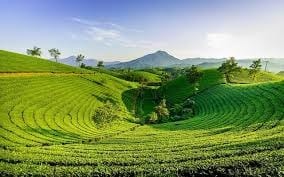
One of the jewels of Eastern Nepal is Ilam. Known for its endless tea gardens, Ilam presents landscapes that resemble green carpets rolled over gentle hills. The tea estates of Kanyam are particularly iconic, offering panoramic views that rival international tea destinations.
Beyond its visual beauty, Ilam represents agricultural tourism, cultural heritage, and eco-tourism potential. The region’s tea culture, local cuisine, and rural lifestyle create opportunities for experiential tourism, where visitors do not just observe but participate.
Yet, structured partnerships between hospitality colleges, local hotels, and tea estate communities remain limited. Students rarely engage in research projects, cultural documentation, or tourism innovation programs connected to Ilam’s heritage.
Kanchenjunga Region and High-Altitude Adventure
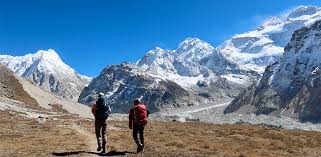
Eastern Nepal is also home to the region surrounding Kanchenjunga, the third-highest mountain in the world. The Kanchenjunga Conservation Area offers pristine trekking routes, rich biodiversity, and unique indigenous communities.
Unlike overcrowded trekking trails elsewhere, this region offers raw authenticity. It presents immense potential for sustainable tourism development, eco-lodges, guided cultural tours, and conservation-based hospitality initiatives.
However, awareness among local hospitality students about this region’s potential remains limited. Many students study tourism management without deeply exploring the natural assets in their own province.
This disconnect represents a lost opportunity for regional empowerment.
Dharan, Dhankuta, and Cultural Diversity
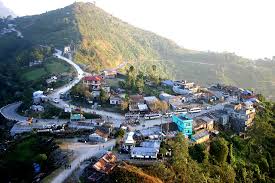
Cities such as Dharan and Dhankuta offer scenic hill views, religious sites, and access to diverse ethnic cultures including Limbu, Rai, and other indigenous communities.
Eastern Nepal is culturally rich. Festivals, traditional music, attire, rituals, and cuisine form an invaluable tourism asset. Cultural tourism is not just about observing traditions, it is about preserving, promoting, and respectfully integrating them into tourism experiences.
Community-based cultural programs could be organized where students collaborate with local villages to document traditions, design tourism packages, and assist in event planning.
Such initiatives would benefit both students and communities.
Community-Based Tourism and Social Service Integration
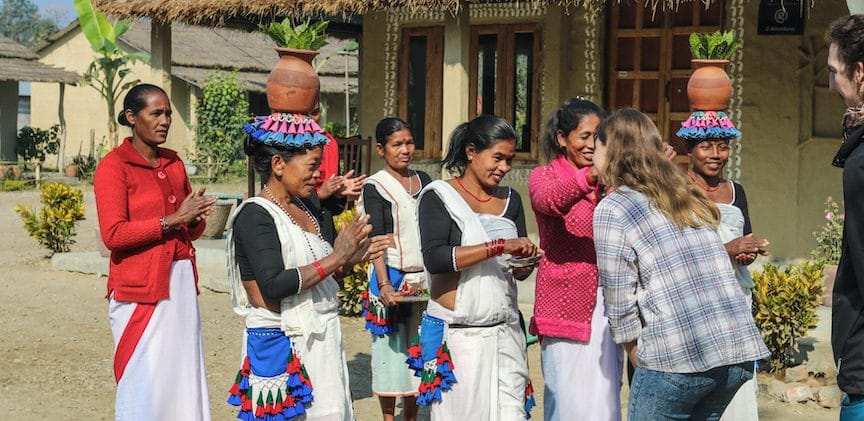
One of the most powerful yet underutilized approaches is community-based tourism combined with social service learning.
Colleges and hotels in Eastern Nepal could organize structured village immersion programs where students:
- Stay in rural communities
- Participate in local agricultural or development activities
- Help with sanitation or cleanliness drives
- Support small local tourism enterprises
- Document local heritage and traditions
- Assist in creating simple hospitality standards
This approach creates dual impact. Communities benefit from youth engagement and skill-sharing. Students gain real-world exposure, empathy, leadership, and cultural understanding.
Tourism becomes more than sightseeing. It becomes partnership.
The Missing Institutional Link
Despite such potential, collaboration between hospitality colleges, local hotels, and tourism stakeholders in Eastern Nepal remains weak.
Colleges focus on theory and major tourism hubs. Hotels operate independently without structured partnerships with educational institutions. Local tourism boards often lack consistent academic collaboration.
This fragmentation prevents coordinated growth.
If colleges conducted regular field studies in Eastern Nepal, if hotels partnered with local tourism sites for experiential learning, and if community organizations were included in planning, the region’s tourism landscape could transform significantly.
Students would graduate not only with knowledge of Kathmandu and Pokhara, but with deep understanding of their own province.
Why Local Focus Matters
When local tourism is strengthened:
- Economic benefits remain within the region.
- Youth employment increases.
- Cultural heritage is preserved.
- Rural communities gain recognition.
- Sustainable tourism practices become feasible.
Over-concentration on major cities creates imbalance. Diversifying tourism into Eastern Nepal spreads opportunity and reduces pressure on already crowded destinations.
Hospitality education must reflect regional realities.
A Vision for Eastern Nepal’s Hospitality Future
Eastern Nepal possesses natural beauty, climatic diversity, cultural richness, agricultural tourism assets, and adventure potential. What it lacks is structured integration.
Colleges must incorporate local tourism research projects into their curriculum. Hotels should collaborate with communities for thematic events and regional promotion. Students should be encouraged to design tourism development proposals specific to Eastern Nepal.
Biratnagar can become more than an industrial city. It can serve as a strategic tourism hub connecting plains to hills.
If institutional support aligns with regional assets, Eastern Nepal can emerge as a model for community-based and sustainable tourism.
Final Reflection
Nepal’s tourism narrative should not revolve only around a few famous cities. True national growth requires empowering every region.
Eastern Nepal offers landscapes like green tea-carpeted hills, dramatic altitude transitions, cultural depth, and unexplored adventure routes.
The challenge is not the absence of beauty.
The challenge is the absence of structured collaboration.
Colleges and hotels must recognize that strengthening local tourism is not optional, it is essential for balanced, sustainable hospitality development.
When education, industry, and community work together, tourism becomes transformative, not just for visitors, but for the region itself.