Top Vegetable Spice Mixes That Make Simple Vegetable Taste Amazing
In Nepali households, spices are not used randomly. They are layered with intention. Tempered in hot oil. Roasted to release aroma. Ground fresh for intensity. A South Asian Focus with Special Love for Nepali Cuisine

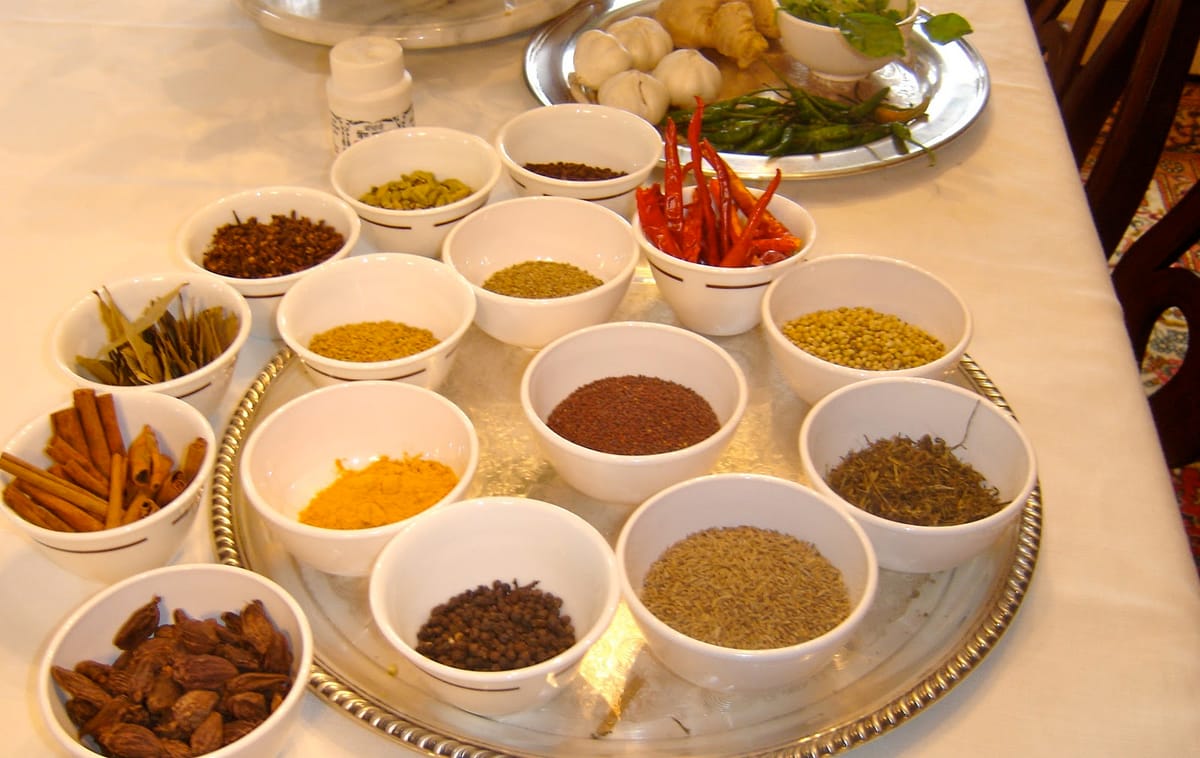
Vegetables are the heart of South Asian kitchens. In Nepal, India, and surrounding regions, even the simplest potato, cauliflower, or leafy green can transform into something deeply satisfying, not because of heavy sauces, but because of carefully balanced spices.
In Nepali households, spices are not used randomly. They are layered with intention. Tempered in hot oil. Roasted to release aroma. Ground fresh for intensity. A South Asian Focus with Special Love for Nepali Cuisine
This article explores the most powerful vegetable spice mixes used in South Asia, especially Nepal, and explains how they turn ordinary vegetables into unforgettable dishes.
Nepali “Masino Masala” – The Everyday Vegetable Base
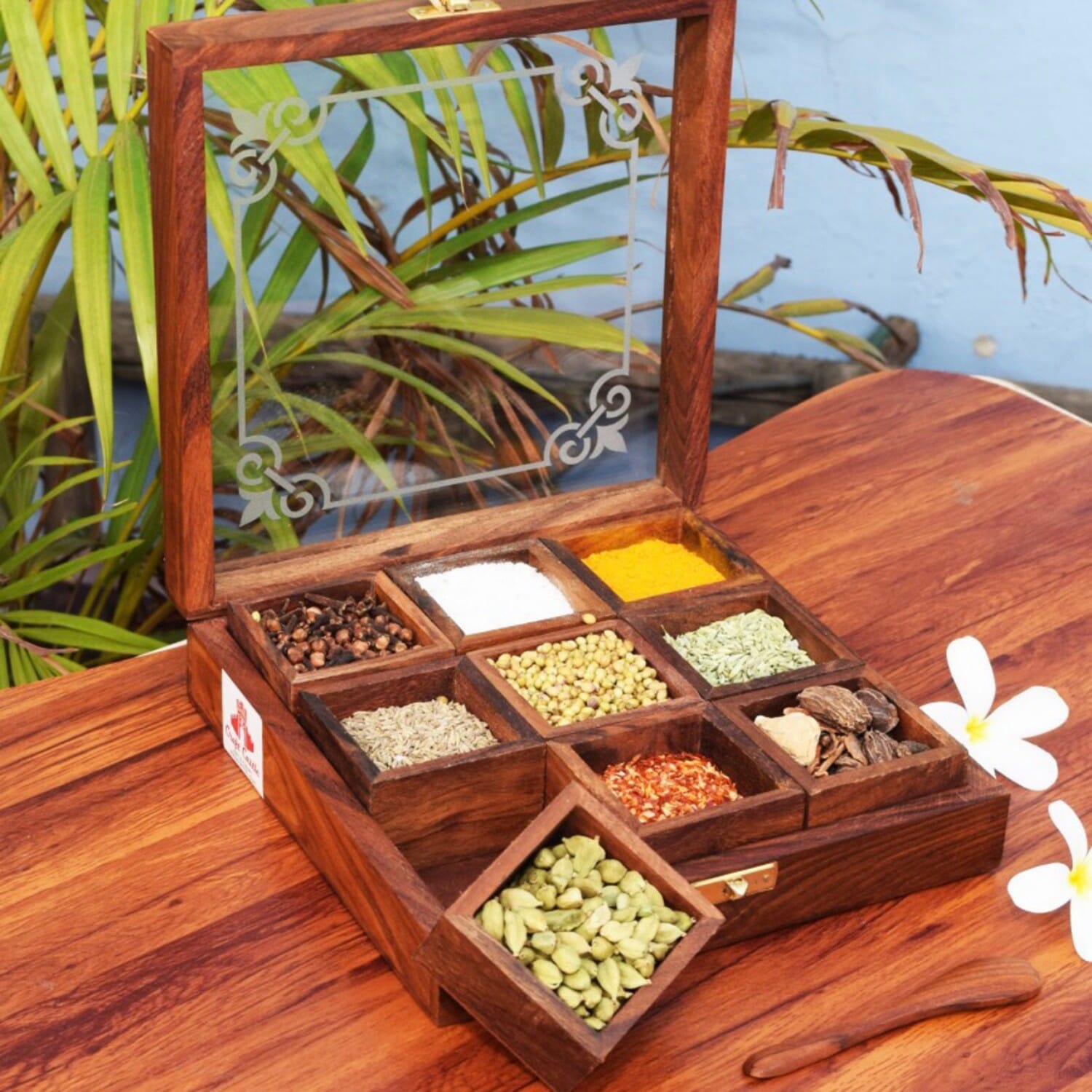
In most Nepali homes, simple vegetable curries (tarkari) begin with a foundational spice blend often referred to informally as masino masala - meaning finely ground mixed spices.
Main Ingredients:
- Cumin powder (jeera)
- Coriander powder (dhaniya)
- Turmeric (besar)
- Red chili powder (khursani)
- Garlic and ginger paste
- Sometimes tomato for depth
Why It Works:
Cumin provides earthiness.
Coriander adds citrus warmth.
Turmeric brings color and mild bitterness.
Chili adds heat.
This blend is not overpowering. It enhances natural vegetable flavors.
Best Used For:
- Aloo (potato curry)
- Cauliflower (phool gobi)
- Cabbage (bandha)
- Mixed seasonal vegetables
This spice base defines the flavor of everyday Nepali comfort food.
Jimbu & Timur – The Himalayan Aroma Boost
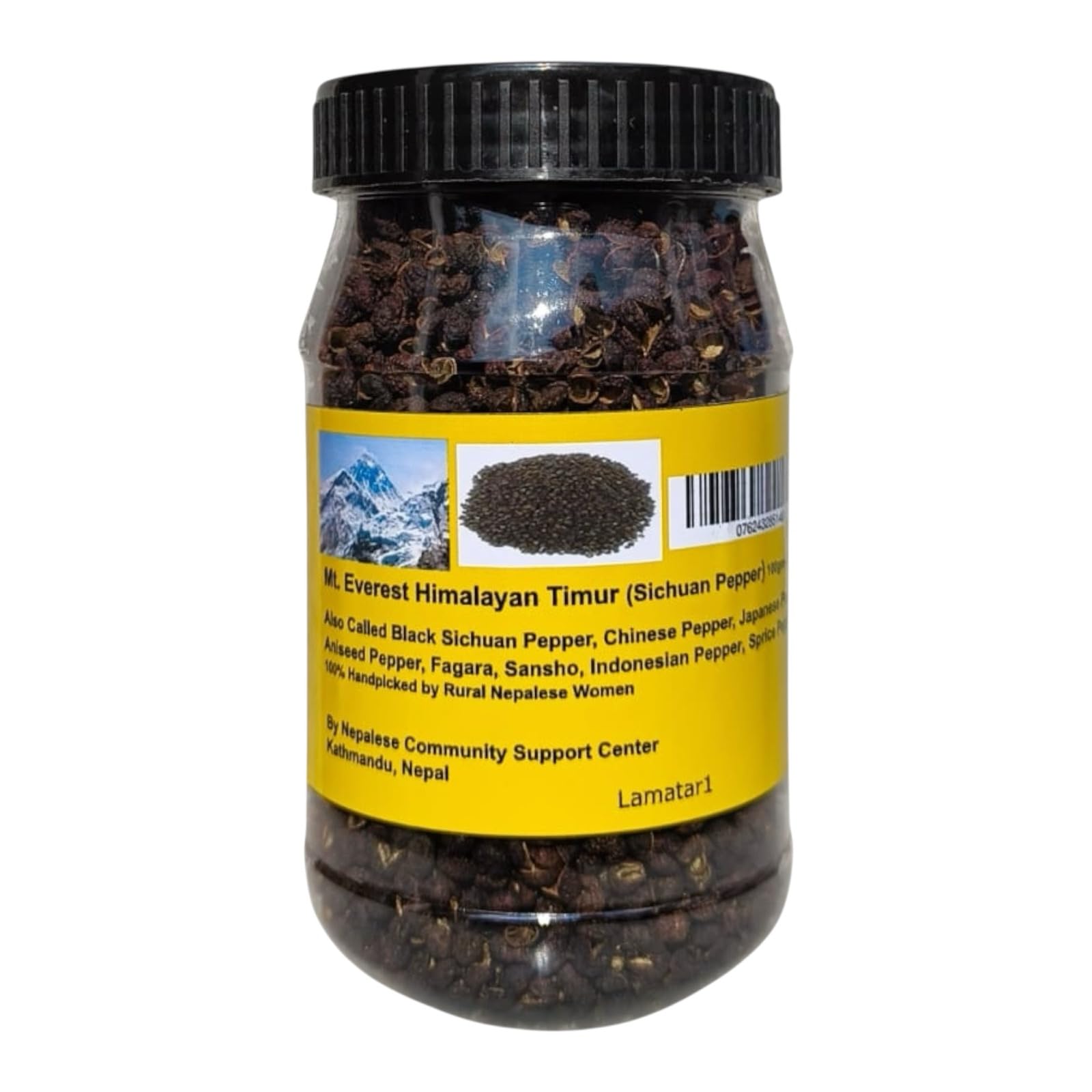
Unique to Nepal’s Himalayan regions, jimbu (a dried herb similar to chives) and timur (Nepali Sichuan pepper) create a completely different flavor profile.
What Makes It Special:
Timur is not just spicy - it creates a tingling sensation.
Jimbu adds smoky onion-like aroma.
How It’s Used:
- Tempered in hot oil
- Mixed into potato salads (aloo sadeko)
- Added to lentils and sautéed greens
- Used in Himalayan-style vegetable stir-fries
This spice combination gives vegetables a bold, slightly citrusy, mountain-style taste that cannot be replicated with regular spices.
It represents the identity of Nepali highland cuisine.
Panch Phoron – The Five-Seed Magic

Common in eastern Nepal and neighboring regions, Panch Phoron is a five-seed blend.
It Includes:
- Fenugreek seeds (methi)
- Nigella seeds (kalonji)
- Fennel seeds (saunf)
- Cumin seeds (jeera)
- Mustard seeds (rai)
These are used whole and tempered in hot oil.
Flavor Profile:
- Slight bitterness (fenugreek)
- Sweet warmth (fennel)
- Earthy spice (cumin)
- Mild pungency (mustard)
Best For:
- Pumpkin curry
- Bitter gourd
- Spinach
- Lentil-based vegetables
This mix gives vegetables complexity without using powdered masala.
Aloo Sadeko Spice Blend – Fresh, Tangy & Bold

Aloo Sadeko is one of Nepal’s most loved side dishes. The spice blend used here is simple yet explosive.
Ingredients:
- Timur (Sichuan pepper)
- Fresh green chili
- Mustard oil
- Lemon juice
- Cumin powder
- Fresh coriander
- Sometimes garlic and onions
Why It’s Special:
No heavy cooking required.
Spices remain fresh and vibrant.
This style works beautifully with:
- Boiled potatoes
- Steamed soybeans
- Blanched cauliflower
- Roasted eggplant
It proves that vegetables do not need complicated sauces to taste extraordinary.
Nepali Achar Masala – The Pickle Influence
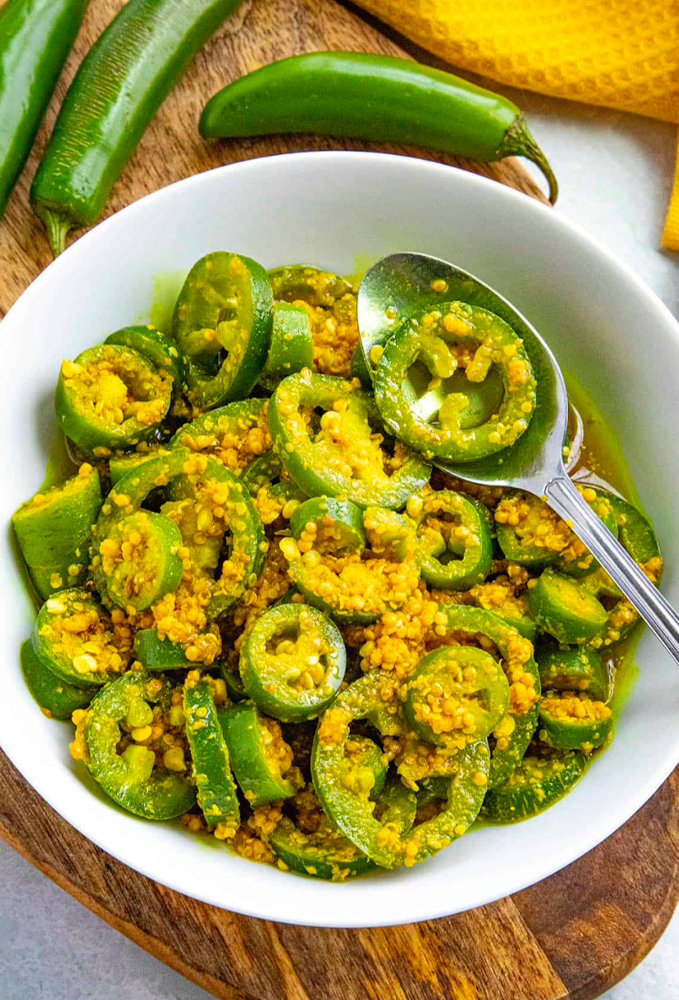
Pickles (achar) are essential in Nepali meals. The spices used in achar can elevate vegetables instantly.
Key Components:
- Roasted sesame seeds
- Fenugreek powder
- Mustard oil
- Turmeric
- Chili powder
- Timur
Flavor:
Nutty.
Tangy.
Spicy.
Deeply aromatic.
Mix this masala into:
- Radish
- Cucumber
- Carrot
- Steamed greens
The sesame base gives richness without cream or butter.
Garam Masala – The Finishing Touch

Although more common in Indian cuisine, garam masala is widely used in Nepali urban cooking.
Common Ingredients:
- Cinnamon
- Cardamom
- Cloves
- Black pepper
- Bay leaf
It is usually added at the end of cooking.
Purpose:
Not to overpower - but to add warmth and aroma.
It works well in:
- Mixed vegetable curry
- Paneer dishes
- Chickpea curry
- Cauliflower and peas
A small pinch can completely change a simple vegetable dish.
Mustard Oil & Tempering – The Hidden Game Changer
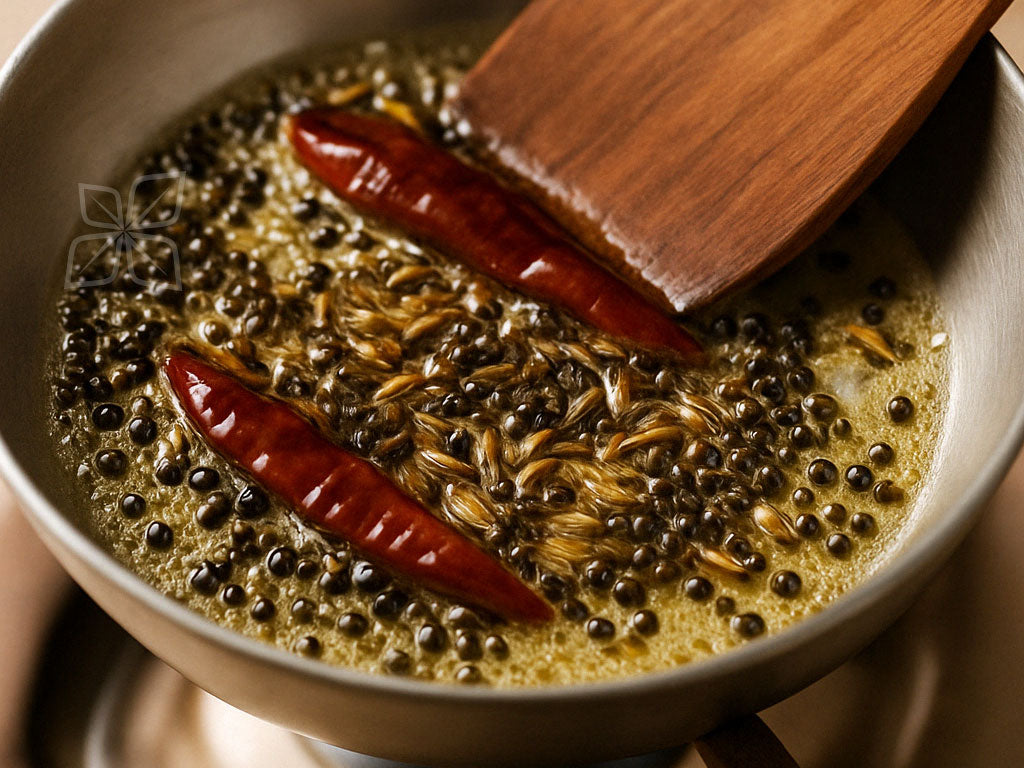
Sometimes, it is not just the spice - it is how it is used.
In Nepali cuisine, spices are often tempered in hot mustard oil.
This process:
- Releases aroma
- Reduces bitterness
- Enhances flavor intensity
- Creates depth
Even simple cumin and turmeric taste powerful when properly tempered.
Technique matters as much as ingredients.
Chhop – Roasted Seed-Based Spice Mix
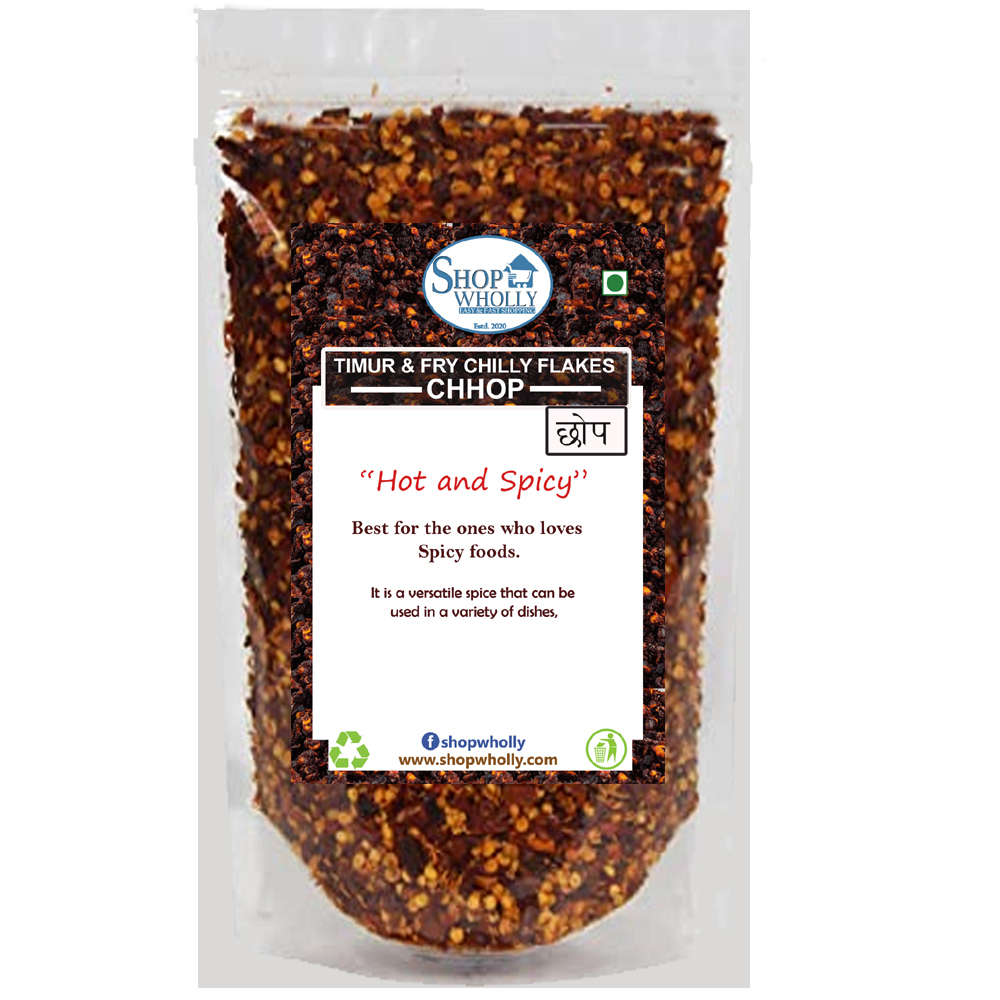
Chhop is a Nepali specialty spice blend made from roasted and ground seeds, typically Timur, sesame seeds, pumpkin seeds, mustard seeds, or other local seeds like aalas. It is ground into a coarse or fine powder and sometimes mixed with Himalayan herbs or dry chilies. Chhop adds nutty, smoky, and slightly sweet flavors to vegetable dishes.
How It’s Made:
- Select seeds: sesame, pumpkin, mustard, and optionally aalas.
- Roast each type lightly on low heat to bring out natural oils and aroma.
- Cool and grind into coarse or fine powder.
- Mix with optional dried herbs, chili flakes, or salt.
Culinary Use:
- Sprinkled over boiled or steamed vegetables
- Added to potato or bean dishes for nutty depth
- Mixed into Nepali pickles (achar) for texture and flavor
- Combined with Panch Phoron or masino masala to elevate daily curries
Flavor Profile:
- Nutty and earthy from roasted seeds
- Slightly smoky
- Deepens natural vegetable taste without overpowering
Health Benefits:
- Rich in protein and healthy fats
- Aids digestion and metabolism
- Adds minerals like calcium, magnesium, and iron
Chuk Amilo – Sour Lemon Reduction
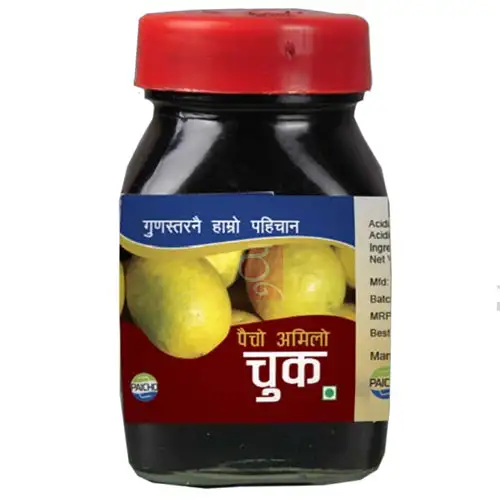
Chuk Amilo is a traditional Nepali ingredient made by cooking lemon juice (or other sour fruits) down to a thick, concentrated paste. Its tangy, slightly acidic flavor adds brightness and balance to otherwise plain vegetables.
How It’s Made:
- Fresh lemons are juiced.
- The juice is cooked over low heat, reducing it until it thickens into a paste.
- Sometimes a pinch of salt or mild spices is added for depth.
- Stored in jars for regular use in curries, pickles, or vegetable stir-fries.
Culinary Use:
- Added to vegetable curries (tarkari) for tanginess
- Mixed into potato dishes (aloo) and beans
- Used in Nepali pickles (achar) and chutneys
- Enhances stir-fried greens and seasonal vegetables
Flavor Profile:
- Sour and tangy
- Intensely aromatic
- Brightens and balances other spices
Health Benefits:
- Rich in Vitamin C
- Aids digestion
- Adds natural sourness without artificial ingredients
Why South Asian & Nepali Spice Mixes Are Special
Unlike Western seasoning that may rely on butter, cream, or cheese, South Asian cooking builds flavor through:
- Layering spices
- Dry roasting
- Oil tempering
- Balancing heat, bitterness, sweetness, and aroma
Vegetables are not side dishes - they are central to the meal.
A simple cabbage becomes memorable.
A plain potato becomes addictive.
A handful of greens becomes comforting.
Final Reflection
The beauty of Nepali and South Asian vegetable cooking lies in simplicity guided by technique. You do not need complex ingredients, you need the right spice combination, proper tempering, fresh herbs, and balanced heat. These spice mixes represent culture, geography, and tradition. From Himalayan timur to sesame achar masala, each blend tells a story. Next time you cook vegetables, do not think of them as plain. Think of them as a canvas, and let Nepali spices paint the flavor.