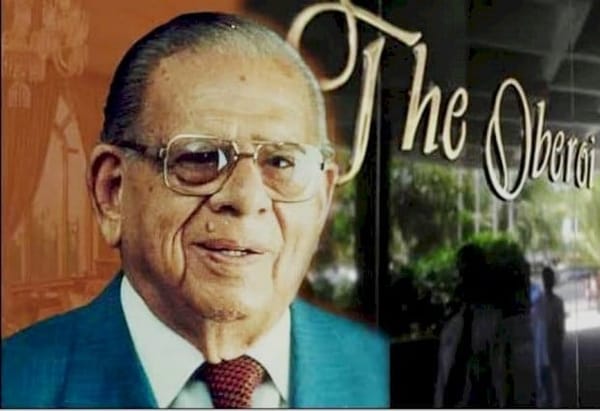
Top Business Lessons Every Hospitality and Hotel Management Student Must Learn
The first lesson hospitality teaches is simple but profound: business is ultimately about people. Every interaction, from greeting a guest to resolving a complaint, offers lessons in empathy, patience, and attention to detail.


Hospitality as a Global Career Hospitality is not just a career; it is a way of thinking, a culture of service, and a platform for leadership. Students worldwide who enter this field gain insights far beyond classrooms, they develop problem-solving skills, emotional intelligence, operational knowledge, and business acumen.
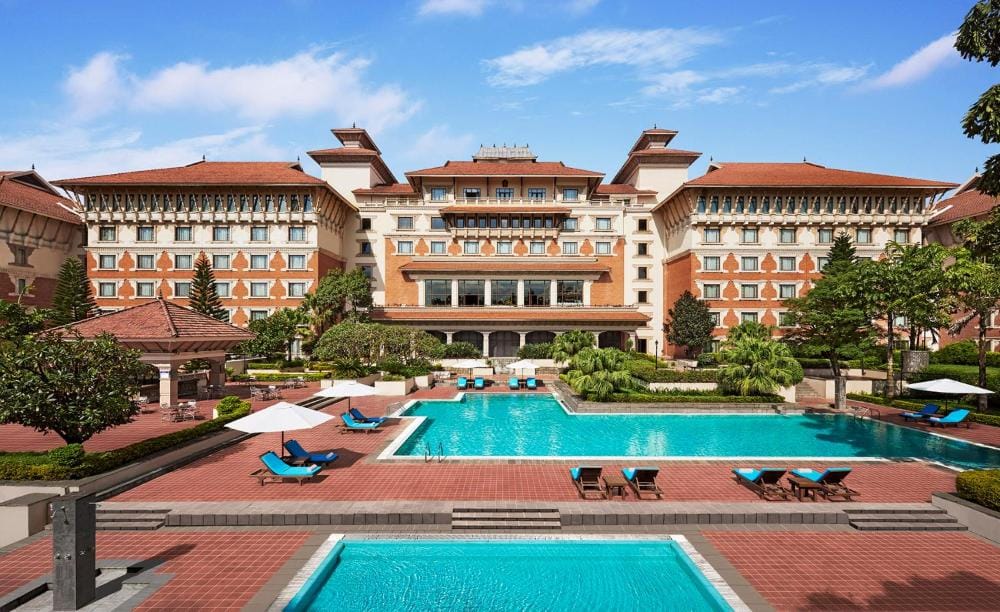
For students exploring emerging markets, Nepal offers unique investment opportunities. Its combination of natural beauty, rich culture, and growing tourism sector creates fertile ground for hotels, resorts, conference centers, and eco-lodges. By combining global hospitality lessons with Nepal’s untapped potential, students can become pioneers in creating world-class experiences.
“Hospitality is not just about serving guests—it is about creating memorable experiences that leave a lasting impression.”
Lesson 1: Service Is the Heart of Business

The first lesson hospitality teaches is simple but profound: business is ultimately about people. Every interaction, from greeting a guest to resolving a complaint, offers lessons in empathy, patience, and attention to detail.
Students learn to anticipate needs, manage expectations, and provide solutions gracefully. In Nepal, where visitors come for adventure, culture, and spiritual experiences, hospitality professionals can combine service with storytelling, creating businesses that showcase Nepali traditions, cuisine, and heritage while maintaining international standards of professionalism.
“Every guest interaction is an opportunity to demonstrate professionalism, empathy, and excellence.”
Lesson 2: Cultural Awareness and Adaptability
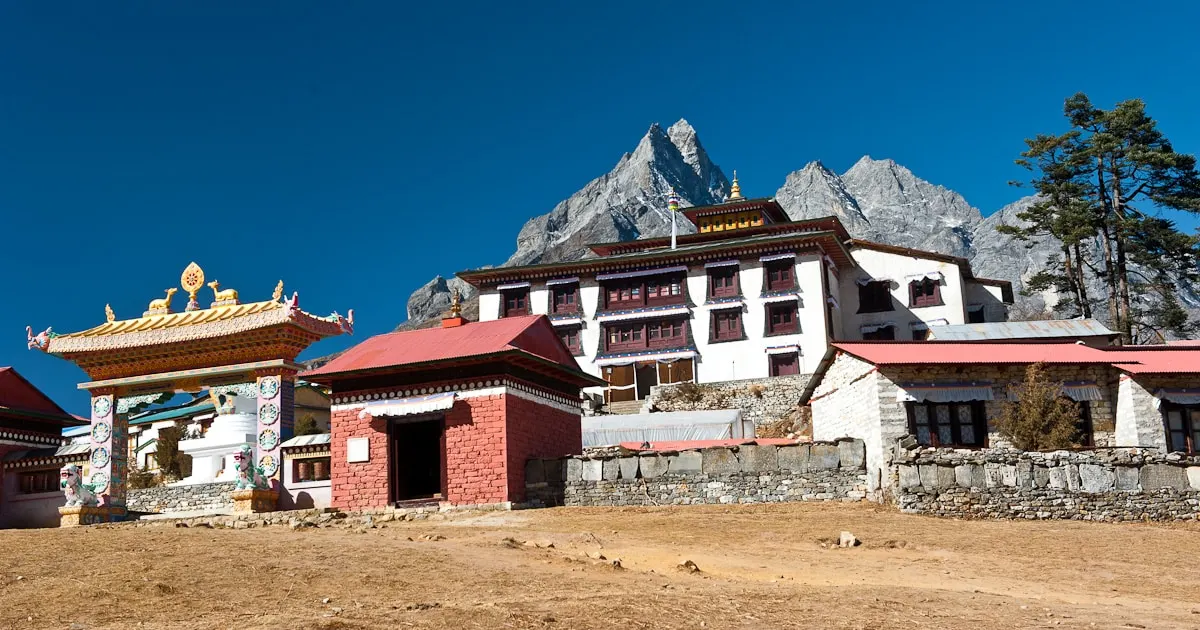
Global hospitality requires cultural intelligence. Students learn to interact with guests from diverse countries, languages, and backgrounds. Success comes from adapting global standards while respecting local traditions.
In Nepal, balancing authenticity with professionalism is key. For example, trekking lodges in the Himalayas or boutique hotels in Kathmandu must offer international comfort alongside local cultural experiences. Understanding and respecting cultural expectations allows businesses to appeal to international tourists while preserving the uniqueness of Nepal.
“Hospitality teaches us that understanding culture is just as important as mastering operational excellence.”
Lesson 3: Operational Excellence

Running a hospitality business requires systems thinking and coordination. Students learn the interplay between departments-front desk, housekeeping, food and beverage, events-and understand how every action affects overall guest satisfaction.
In Nepal, operational excellence is a competitive advantage. Even in remote areas, hotels or resorts with efficient check-ins, modern booking systems, reliable transportation, and consistent service standards can attract international clients. Students who master operational principles can ensure flawless experiences, regardless of location or scale.
“Excellence is not an act, it is the result of consistent, well-coordinated operations at every level.”
Lesson 4: Financial Acumen and Entrepreneurship

Hospitality education teaches budgeting, revenue management, and cost control. Students learn how every dollar affects profitability, how to optimize resources, and how to price products strategically.
Nepal’s emerging market offers vast opportunities: eco-lodges, wellness resorts, boutique hotels, and conference venues remain underdeveloped in many regions. Students with financial and entrepreneurial knowledge can identify niche opportunities and create profitable, sustainable, and culturally authentic businesses.
“A well-run hospitality business is both an art of service and a science of numbers.”
Lesson 5: Leadership and Teamwork

Hospitality is team-driven. Students learn how to lead diverse teams, communicate clearly, and resolve conflicts. Leadership in hospitality is about guiding and inspiring, not commanding.
In Nepal, managing staff across hotels, resorts, or conference centers requires blending professional standards with local workforce training. Students who understand team dynamics and leadership principles can create efficient, motivated teams that consistently deliver high-quality service.
“Leadership in hospitality is about empowering your team to deliver excellence at every interaction.”
Lesson 6: Sustainability and Ethical Practices
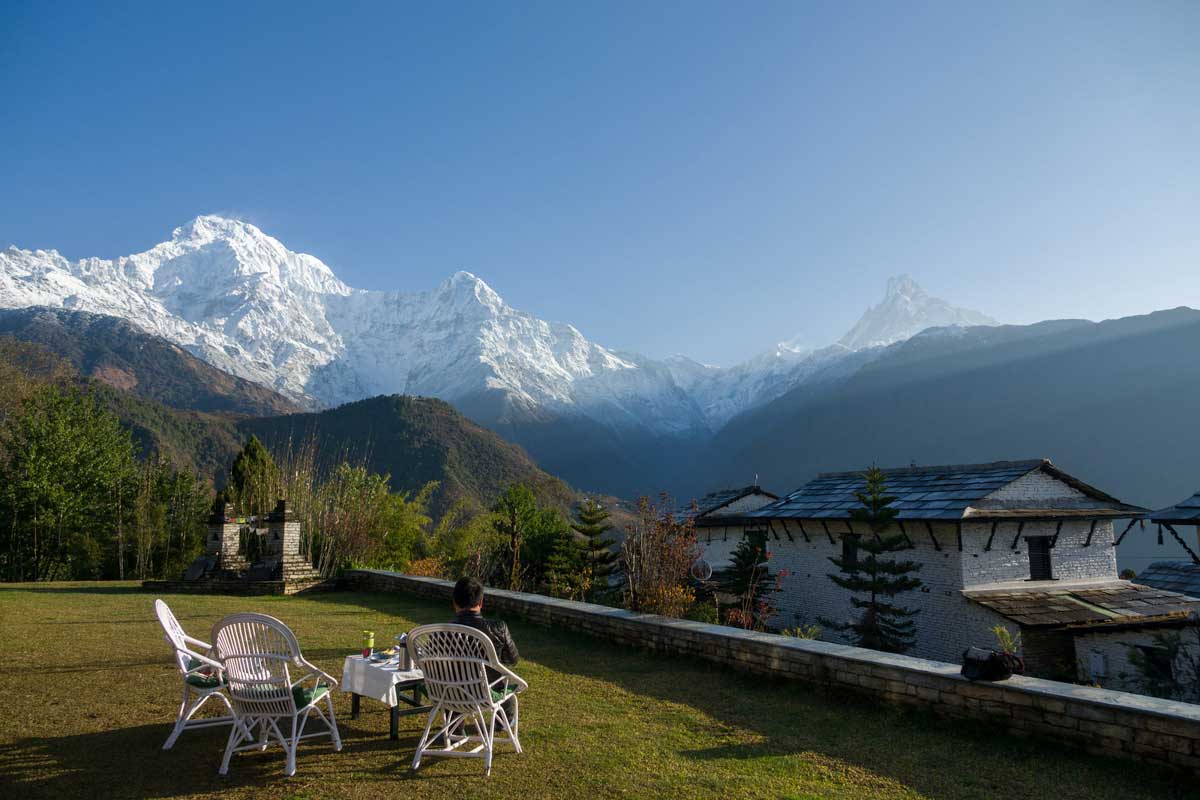
Modern hospitality emphasizes sustainability. Students learn eco-friendly practices, ethical labor management, and community engagement. In Nepal, where ecosystems and cultural heritage are sensitive, sustainable operations are both an ethical responsibility and a market advantage.
Hotels and lodges that integrate sustainability, from waste management to energy-efficient operations, attract conscious travelers, boost brand value, and create positive social impact.
“Responsible hospitality is not just good for business—it is essential for the planet and the community.”
Lesson 7: Technology Integration

Technology has transformed hospitality. Students master property management systems, digital reservations, AI-assisted concierge services, and hybrid event tools.
In Nepal, technology can bridge the gap between remote locations and global clientele. Online booking, virtual tours, mobile concierge apps, and AI-driven customer support allow even small hotels or adventure lodges to compete internationally.
“Technology in hospitality is not a replacement for service, it is a tool to enhance human connection and efficiency.”
Lesson 8: Networking and Global Perspective

Hospitality exposes students to international guests, business travelers, and event organizers. Learning to network, build partnerships, and understand global trends is invaluable.
Nepal offers students the opportunity to connect with international hotel chains, tourism companies, and investors, turning local knowledge into global opportunities. Networking helps students gain insights, scale businesses, and establish long-term professional credibility.
“Every guest is not just a visitor, they are a gateway to global knowledge and opportunity.”
Why Nepal Is a Strategic Investment Destination
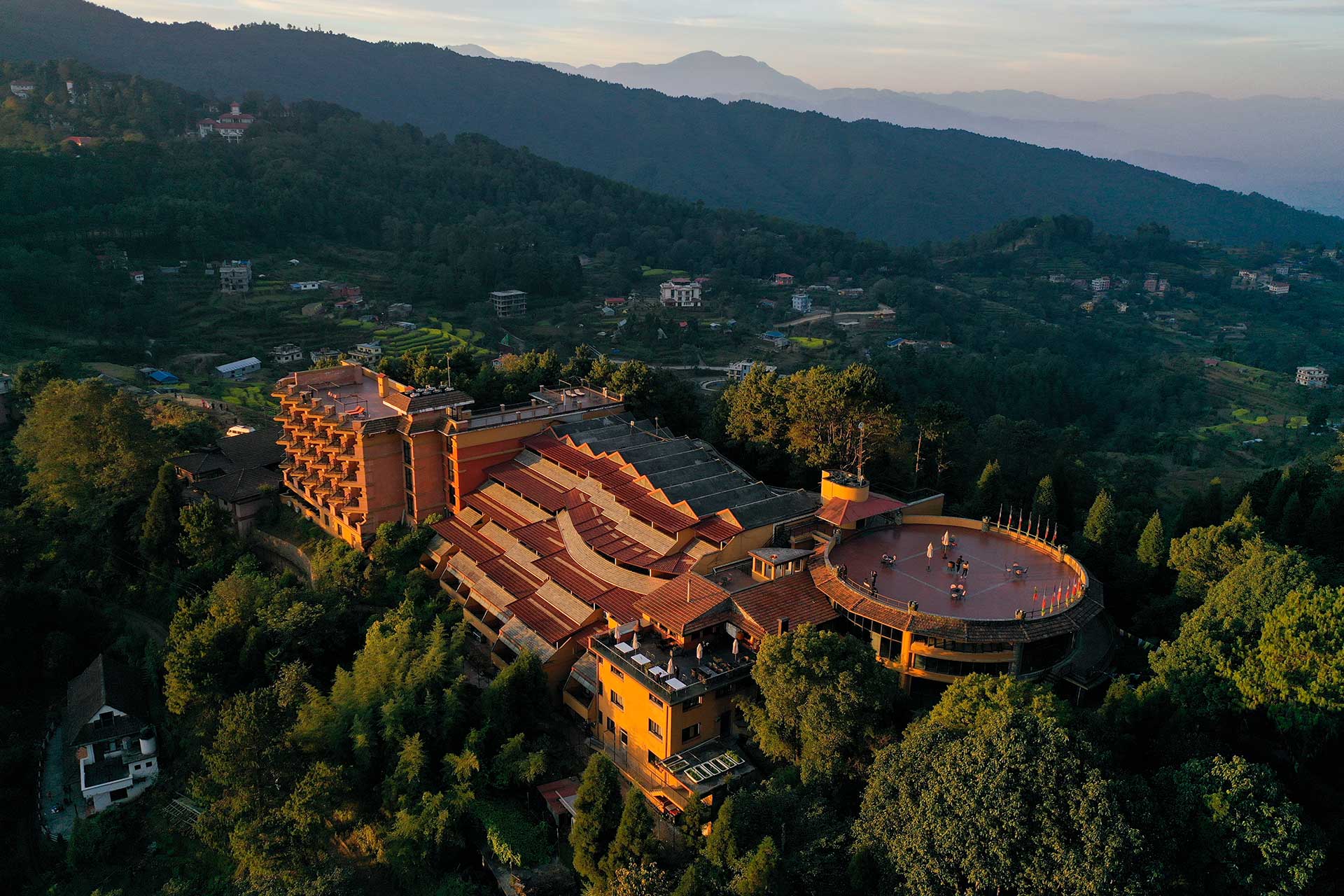
Nepal is uniquely positioned for hospitality investment:
- Untapped Potential: Many areas lack modern accommodations and services.
- Growing Tourism: Adventure, wellness, and cultural tourism continue to rise.
- Cost-Effective Operations: Lower operating costs allow better ROI.
- Cultural Richness: Authentic experiences attract international tourists.
- Government Support: Policies promote tourism and MICE infrastructure.
Students and young investors can combine hospitality knowledge with Nepal’s natural and cultural assets to create innovative, sustainable, and profitable ventures.
“Nepal is a land of untapped opportunities where culture, nature, and entrepreneurship converge.”
Conclusion: Lessons That Last a Lifetime

The business of hospitality teaches students life skills, from leadership, teamwork, and financial acumen to cultural awareness, sustainability, and technology integration. These skills are universally applicable, whether students pursue careers globally or invest in emerging markets.
Nepal offers a perfect platform for students to apply these lessons: building hotels, resorts, eco-lodges, or conference centers that are professional, culturally authentic, and globally competitive. With the right combination of education, operational excellence, and vision, students can become leaders in hospitality and pioneers in Nepal’s growth story.
“Hospitality is not just a career, it is a gateway to understanding people, building connections, and creating experiences that transform both guests and communities.”