The Untold Power of Hospitality Education
The ability to interact effectively with people gives hospitality professionals a unique advantage. They understand how to build relationships, manage expectations, and deliver experiences that leave lasting impressions.


“Hospitality education does not only teach you how to serve guests - it teaches you how to carry yourself with confidence anywhere in the world.”
Introduction: More Than Just a Career Path
When people hear the words hotel management or hospitality education, many immediately think of hotels, restaurants, or tourism jobs. While these are important parts of the industry, they represent only a small portion of what hospitality education truly offers.
Hospitality education is not simply about learning how to manage hotels or serve guests. At its core, it is about developing a person. It shapes how individuals communicate, how they present themselves, how they solve problems, and how they interact with people from different cultures and backgrounds. In many ways, hospitality education is a form of life education.
Students who pursue hospitality studies often discover that the lessons they learn go far beyond textbooks and classrooms. They learn discipline, emotional intelligence, adaptability, leadership, and global awareness. These qualities allow them to succeed not only in the hospitality industry but in almost any professional environment.
For a country like Nepal, where tourism and service culture are deeply connected to national identity, hospitality education holds tremendous potential. It can shape skilled professionals, confident leaders, and global ambassadors who represent the country with professionalism and pride.
“Hospitality education does not only teach you how to serve guests, it teaches you how to carry yourself with confidence anywhere in the world.”
Hospitality Education as a School of Personality Development
One of the most powerful aspects of hospitality education is its impact on personal growth. Unlike many academic disciplines that focus primarily on theoretical knowledge, hospitality education emphasizes practical human interaction.
Students learn how to communicate clearly and confidently. They practice maintaining eye contact, speaking politely, and understanding the needs of others. These skills gradually shape a professional personality that is both approachable and confident.
Grooming and presentation also become an important part of training. Students are taught how to maintain professional attire, posture, and body language. These practices may seem simple, but they create long-lasting habits that influence how individuals are perceived in professional environments.
Over time, students develop a strong sense of discipline and self-awareness. They begin to understand that professionalism is not only about knowledge but also about attitude and behavior.
“Hospitality education polishes the most important asset a person has — their personality.”
Exposure to Great Personalities and Real Inspiration
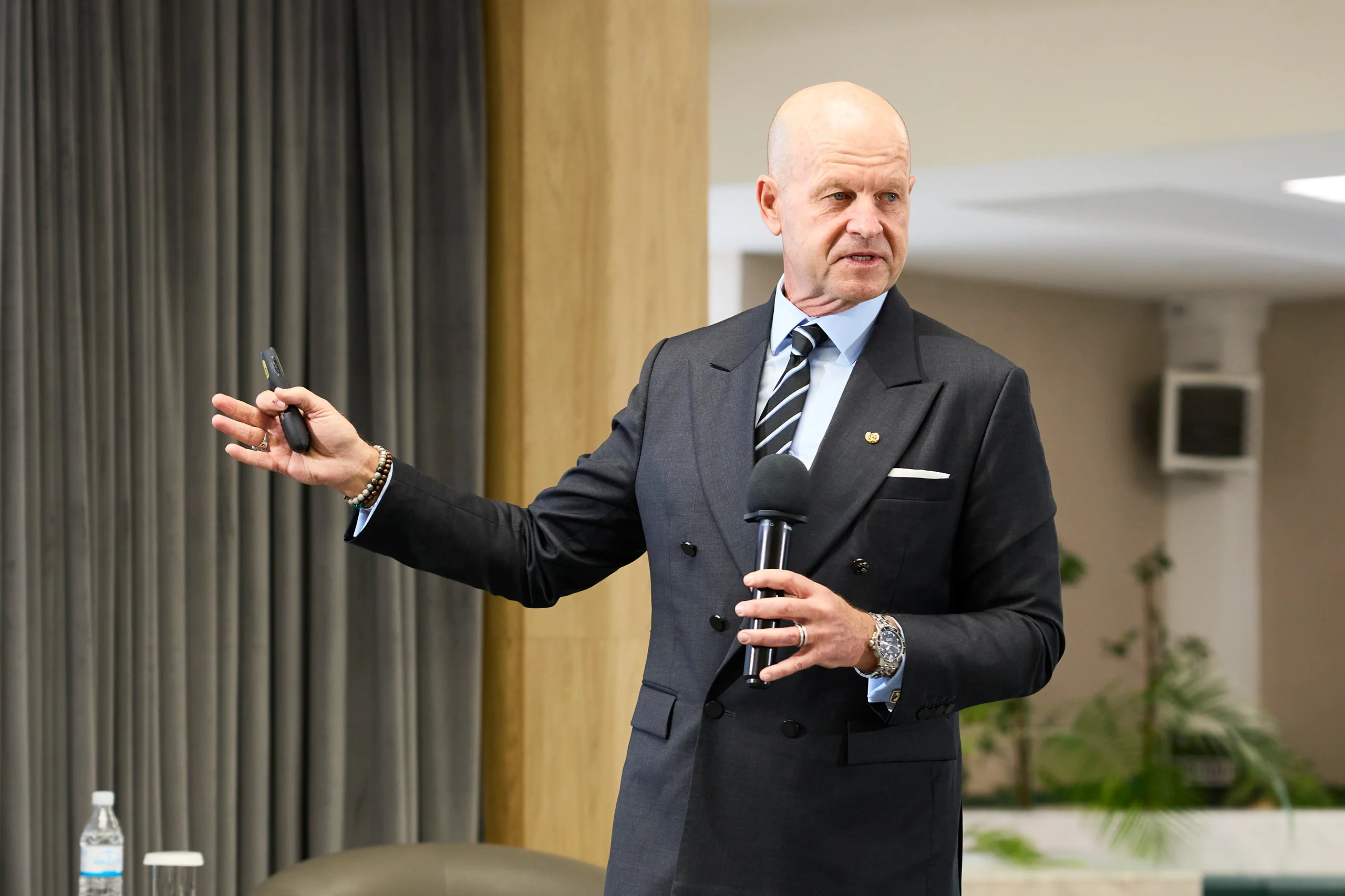
Another unique strength of hospitality education is the opportunity to interact with experienced professionals. Guest lectures, internships, and industry visits expose students to successful personalities who have built remarkable careers in the global hospitality sector.
Meeting these professionals often becomes a turning point for many students. Observing how leaders communicate, manage teams, and handle challenges provides powerful inspiration. Students begin to imagine their own potential and understand what professional excellence looks like.
The hospitality industry is filled with stories of individuals who started with small roles and eventually led international hotel brands. For example, figures such as Mohan Singh Oberoi, Ratan Tata built legendary hospitality organizations through vision, discipline, and dedication.
Learning about such journeys motivates students to think beyond limitations and to believe that success is achievable through hard work and continuous learning.
“In hospitality education, classrooms are not limited to books; they extend to the inspiring personalities students meet along the journey.”
A Profession That Shapes Global Citizens

Hospitality education prepares students to interact with people from all over the world. Guests may come from different countries, cultures, and traditions. Understanding and respecting these differences is an essential skill.
Through training and experience, students develop cultural sensitivity and global awareness. They learn how to communicate with international guests, adapt to different expectations, and handle diverse situations professionally.
This exposure gradually transforms students into global citizens. They gain the confidence to work in international environments and to represent their culture with dignity.
In an interconnected world, such global exposure is extremely valuable. It allows professionals to adapt easily to new countries, industries, and professional cultures.
“Hospitality is one of the few professions where your skills can open doors in almost every country.”
A Career That Can Fit Anywhere in the World
One of the most remarkable advantages of hospitality education is its flexibility. The skills developed in hospitality programs are transferable across many industries.
Communication, leadership, organization, problem-solving, and customer service are valuable in almost every profession. As a result, hospitality graduates can pursue opportunities not only in hotels but also in:
- Airlines and aviation services
- Cruise tourism
- Event management
- Corporate management
- Luxury retail
- Entrepreneurship
- Tourism development
- International business
The ability to interact effectively with people gives hospitality professionals a unique advantage. They understand how to build relationships, manage expectations, and deliver experiences that leave lasting impressions.
Because these skills are universal, hospitality professionals often find opportunities in many parts of the world.
The Importance of Hospitality Education for Nepal
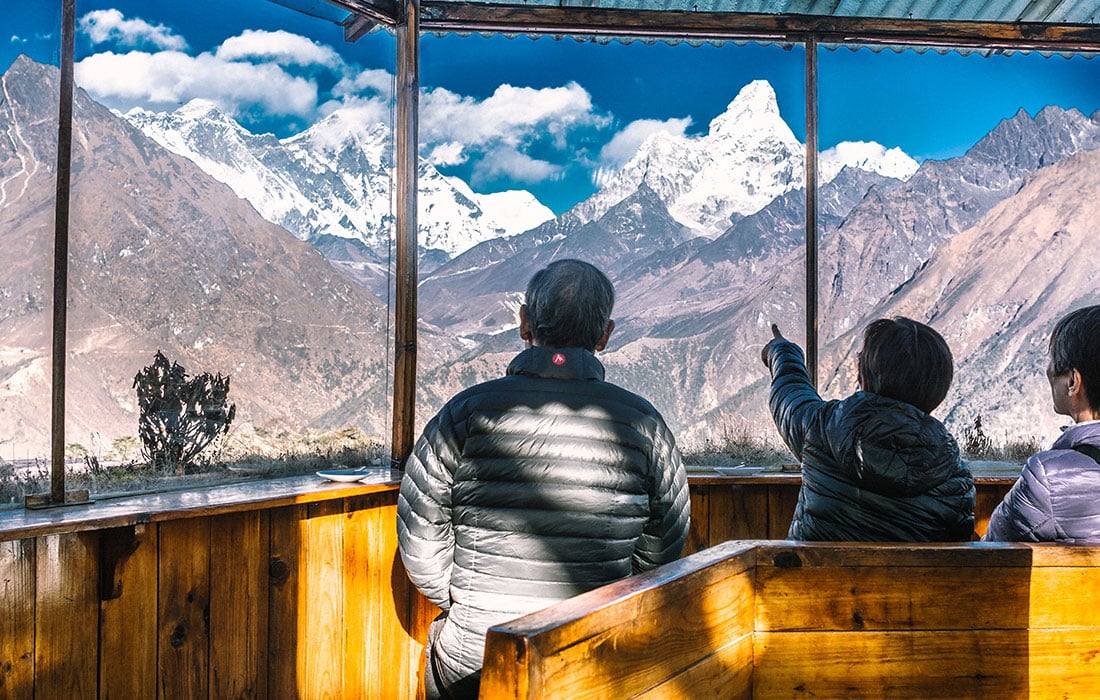
Nepal possesses extraordinary tourism potential. Its natural landscapes, cultural heritage, spiritual traditions, and adventure tourism opportunities attract visitors from across the globe. However, the true strength of Nepal’s tourism industry lies in its people.
Nepali culture naturally values respect, humility, and kindness - qualities that align perfectly with hospitality service. When these cultural strengths are combined with professional training, they create a powerful competitive advantage.
Hospitality education therefore becomes a strategic investment for the country. Skilled professionals can elevate service quality, strengthen international reputation, and contribute to economic growth.
As international hotel brands such as Marriott International and Hyatt continue to expand in Nepal, the demand for trained hospitality professionals will increase significantly. Educational institutions must prepare students to meet these global standards.
“Nepal already has the heart of hospitality; education gives it the professionalism to lead the world.”
Building Confidence and Leadership Through Hospitality
Hospitality education also develops leadership abilities. Students learn how to manage teams, coordinate events, solve unexpected problems, and maintain service quality under pressure.
These experiences build resilience and confidence. Graduates become comfortable making decisions, communicating with authority, and leading diverse teams.
Leadership in hospitality is not only about giving instructions. It involves understanding people, motivating staff, and maintaining a positive work environment. These leadership skills remain valuable throughout a professional career.
Discipline, Professionalism, and Lifelong Learning
The hospitality industry operates in fast-paced environments where precision and punctuality are essential. Students quickly learn the importance of time management, teamwork, and attention to detail.
These habits shape professional behavior that lasts throughout life. Graduates often carry these values into other industries and leadership roles.
Hospitality education also encourages continuous learning. Trends in tourism, technology, sustainability, and guest expectations evolve rapidly. Professionals must stay updated and adapt to new developments.
This culture of lifelong learning helps hospitality professionals remain competitive in a dynamic global economy.
The Future of Hospitality Education in Nepal
For Nepal to fully utilize its tourism potential, hospitality education must continue evolving. Institutions should strengthen practical training, industry partnerships, and international exposure.
Students must be encouraged to focus not only on technical skills but also on communication, confidence, and global awareness. Internships, mentorship programs, and leadership workshops can further enhance professional development.
If educational institutions, industry leaders, and government organizations work together, Nepal can develop a generation of hospitality professionals capable of competing at the highest international standards.
“Hospitality education is not just about building a career - it is about building a person who can represent their country with dignity and professionalism.”
Conclusion: Education That Builds a Life
Hospitality education is far more than a pathway to employment. It is a powerful tool for personal transformation. It teaches discipline, confidence, cultural understanding, and leadership. It allows individuals to meet inspiring personalities, learn from global experiences, and discover their own potential.
For many students, hospitality education becomes the foundation of their identity. It shapes how they communicate, how they present themselves, and how they interact with the world.
In a country rich in culture and tourism potential like Nepal, hospitality education holds immense significance. By investing in this field, Nepal can develop skilled professionals who not only strengthen the tourism industry but also represent the country with pride and professionalism across the globe.
The untold power of hospitality education lies in its ability to transform ordinary individuals into confident global professionals, people who can stand anywhere in the world and deliver excellence with humility and grace.