The Skills That Define a Hotel Management Graduate
Communication is the backbone of hospitality. A hotel professional speaks with guests, colleagues, managers, suppliers, and sometimes international visitors. Miscommunication creates confusion, and confusion affects service quality.

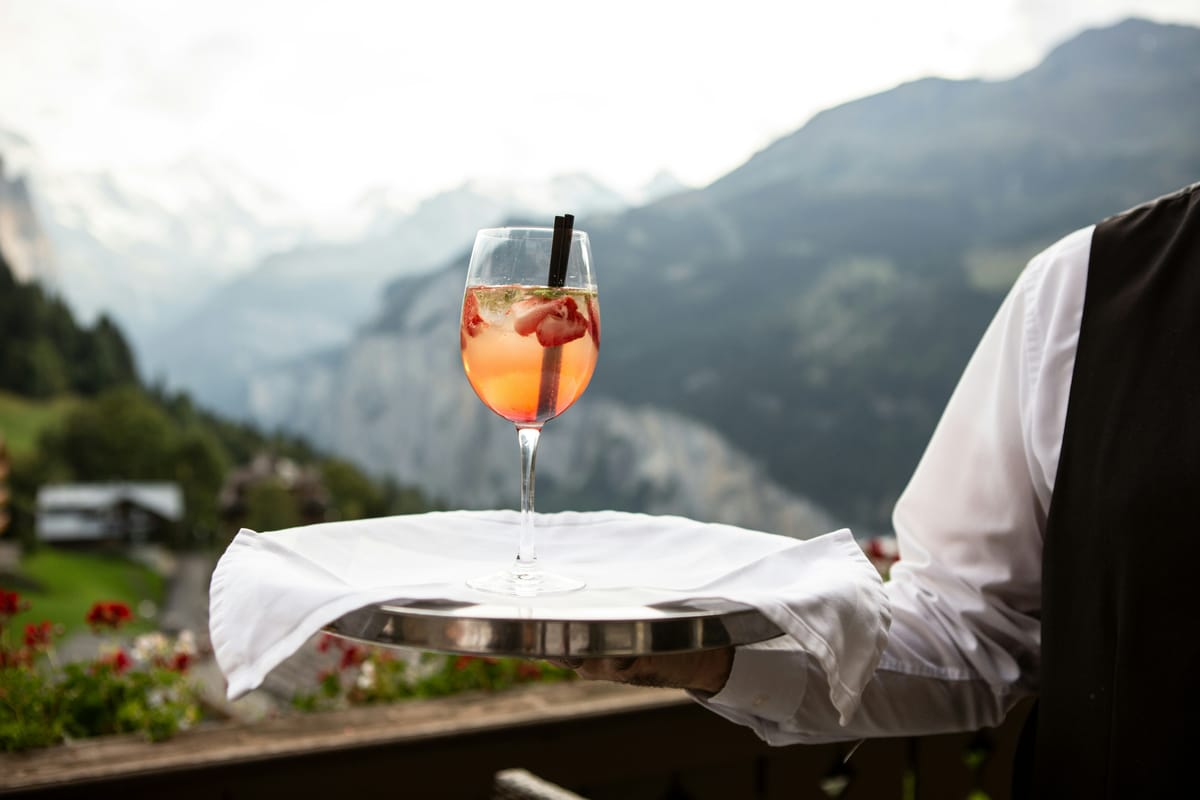
Hospitality is not simply an industry. It is a profession that tests your patience, discipline, personality, and endurance every single day. A hotel does not run only on infrastructure, luxury décor, or brand name, it runs on people. And before you graduate, you must prepare yourself to become one of those dependable professionals who can carry responsibility with confidence.
A degree gives you theoretical knowledge. But skills, character, and discipline build a long-term career.
Below is a detailed and practical guide, written clearly for both mobile and PC readers, on what every hotel management student must truly develop before stepping into the real world.
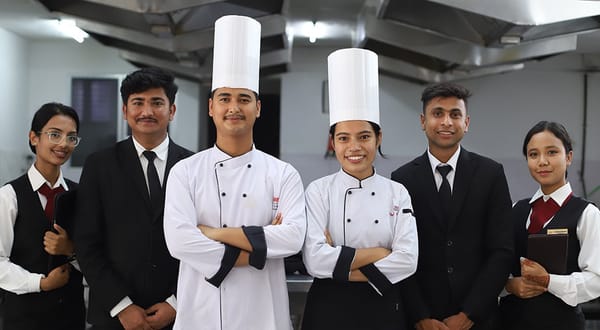
1. Professional Grooming & Personal Presence
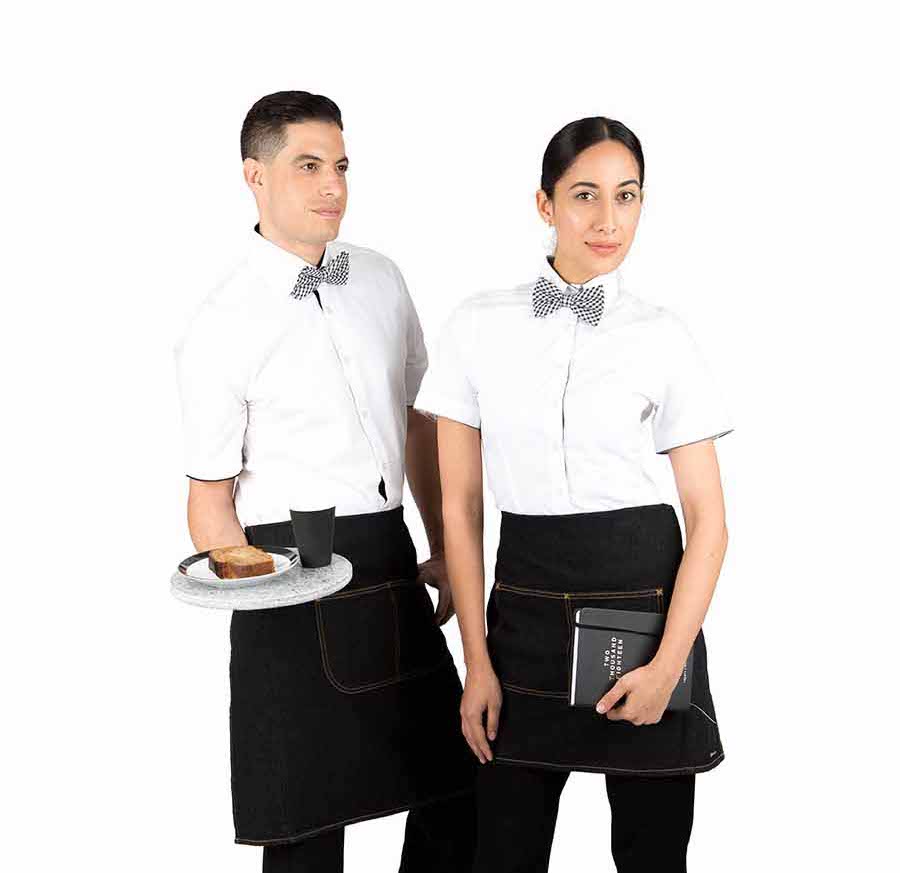
In hospitality, you are observed before you even speak. The way you stand, walk, smile, and present yourself communicates more than words ever can.
Professional grooming is not about fashion. It is about discipline and respect.
A well-groomed hotel professional should maintain:
- Clean and properly ironed uniform
- Polished shoes
- Neat hairstyle
- Maintained hygiene
- Light, professional fragrance
- Proper posture and confident body language
Guests form impressions within seconds. If you look careless, they assume service will also be careless. If you look sharp, calm, and composed, they immediately feel secure.
Simplicity works best in hospitality. Avoid over-styling. Avoid unnecessary accessories. Clean, elegant, and minimal presentation always creates trust.
Remember, you are not just wearing a uniform. You are representing a brand.
2. Communication Mastery

Communication is the backbone of hospitality. A hotel professional speaks with guests, colleagues, managers, suppliers, and sometimes international visitors. Miscommunication creates confusion, and confusion affects service quality.
Communication mastery includes:
- Clear pronunciation
- Confident speaking
- Active listening
- Controlled tone
- Positive body language
- Professional writing skills
Speaking English is helpful, but clarity and confidence matter more than accent.
A professional must know:
- How to welcome warmly
- How to explain politely
- How to apologize sincerely
- How to handle complaints calmly
- How to say “no” professionally
Listening is equally important. Many guest complaints escalate because staff members interrupt instead of listening fully.
Practice daily. Participate in presentations. Speak in front of mirrors. Record yourself. Growth in communication happens through repetition.
3. Mental Health & Emotional Strength
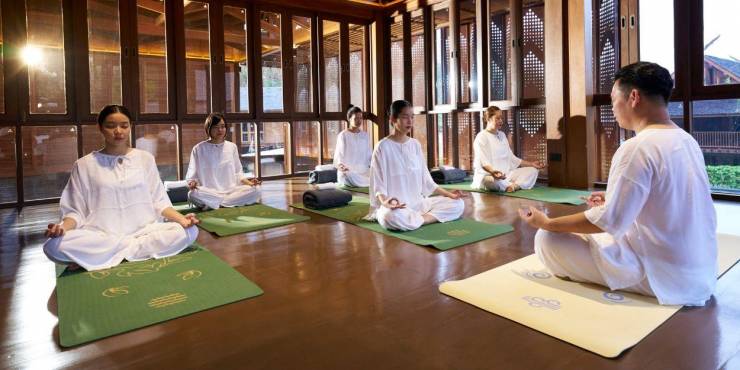
Hospitality is demanding. Long shifts, high expectations, seasonal rush, and difficult guests are common. Without emotional stability, burnout happens quickly.
Mental strength is not optional, it is necessary.
Before graduation, students must develop:
- Emotional control
- Patience under pressure
- Positive thinking habits
- Self-awareness
- Resilience after mistakes
There will be days when guests are rude. There will be days when managers are strict. There will be days when you feel exhausted. Your emotional reaction will determine your growth.
Healthy practices include:
- Daily meditation (even 10 minutes)
- Deep breathing exercises
- Regular journaling
- Limiting negative thinking
- Taking proper rest
- Talking openly when overwhelmed
Strong professionals manage stress without spreading negativity to others.
Your mind is your control center. Protect it.
4. Physical Fitness & Energy Management

Hospitality is physically active work. You may stand for 8–12 hours, walk continuously, lift trays, manage luggage, or work night shifts.
Without stamina, you will struggle.
Physical fitness improves:
- Confidence
- Posture
- Energy levels
- Focus
- Endurance
Every student should:
- Exercise at least four times a week
- Maintain a balanced diet
- Drink sufficient water
- Sleep 7–8 hours
- Avoid excessive junk food
Energy is visible. When you are energetic, guests feel welcomed. When you are tired and drained, service becomes mechanical.
Take care of your body, it carries your career.
5. Practical Skills Over Theory
Books explain procedures. Real hotels test execution.
Before graduating, you should be comfortable performing:
- Table setting and service techniques
- Order taking
- Front office operations
- Basic billing
- Housekeeping standards
- Food safety protocols
- Basic cooking fundamentals
Ask yourself honestly:
“Can I handle a shift without constant supervision?”
If the answer is no, practice more during internships and practical sessions.
Confidence comes from doing, not just reading.
6. Problem-Solving Ability

No hotel day is perfect. There will be overbookings, guest complaints, delays, technical issues, and staff shortages.
What separates average staff from future managers is problem-solving ability.
Develop:
- Calm thinking during chaos
- Quick but logical decisions
- Accountability
- Creative thinking
Do not wait for instructions in every small situation. Learn to assess problems and suggest solutions.
Managers notice individuals who reduce problems, not those who increase them.
7. Leadership & Teamwork

Hospitality is teamwork. One department’s mistake affects the entire guest experience.
Leadership does not mean giving orders. It means:
- Taking responsibility
- Supporting teammates
- Encouraging others
- Handling conflicts maturely
- Staying accountable
As a student, practice leadership by:
- Leading group projects
- Coordinating events
- Helping weaker classmates
- Accepting feedback gracefully
True leaders remain humble while being dependable.
8. Financial Awareness

Hotels are businesses. Passion alone does not sustain operations, profitability does.
Every student must understand:
- Basic revenue concepts
- Food cost percentage
- Waste control
- Inventory management
- Budget discipline
When you understand costs, you reduce wastage. When you reduce wastage, you increase profit.
Professionals think beyond tasks. They think about impact.
9. Technology & Digital Adaptability
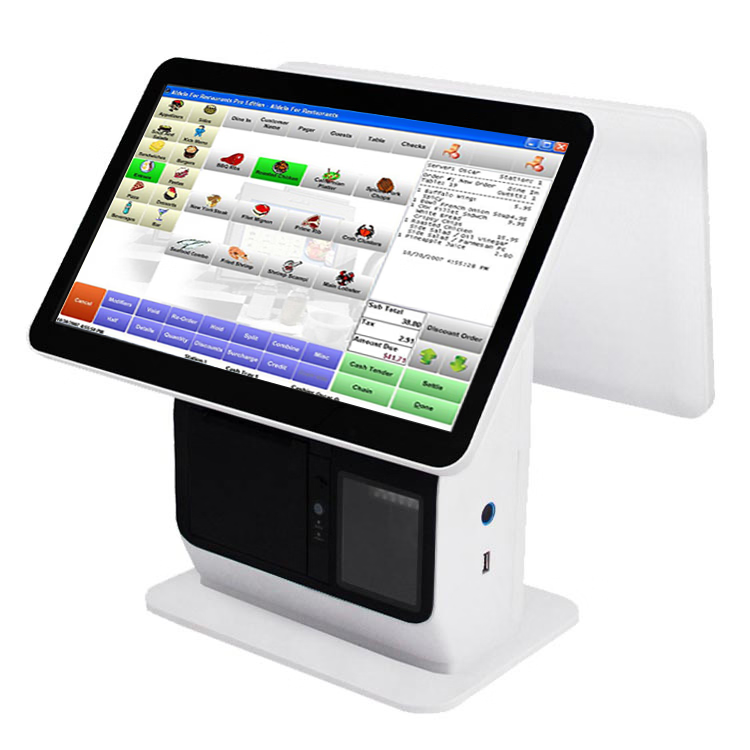
Modern hospitality depends heavily on technology.
Students must be familiar with:
- Property Management Systems (PMS)
- Point of Sale (POS) systems
- Online booking platforms
- Review management tools
- Basic Microsoft Excel
- Professional email writing
Digital awareness also includes understanding online reputation. One negative review can impact a hotel’s image.
Being tech-comfortable increases employability and confidence.
10. Simplicity, Humility & Character
The best professionals are not loud. They are reliable.
Avoid:
- Ego
- Arrogance
- Gossip
- Unnecessary attitude
Hospitality is service. Service requires humility.
Guests remember kindness more than decoration. Colleagues respect consistency more than talent.
Simplicity builds long-term credibility.
11. Cultural Intelligence
Hotels serve people from different cultures, religions, and nationalities.
Cultural intelligence means:
- Respecting different beliefs
- Understanding food preferences
- Being open-minded
- Avoiding stereotypes
- Adapting communication styles
Global hospitality requires global understanding.
Being culturally aware makes you valuable anywhere in the world.
12. Continuous Learning Mindset
Graduation is not a destination. It is a starting point.
The industry evolves rapidly. New technologies, service standards, and global trends continue to change.
Stay committed to:
- Reading industry articles
- Observing senior professionals
- Attending workshops
- Improving soft skills
- Seeking feedback
Growth never stops. The moment you believe you know everything, your progress slows.
Final Reflection
Before graduation, do not just focus on passing exams. Focus on building yourself.
Ask yourself honestly:
- Am I mentally strong?
- Am I physically fit?
- Am I disciplined and well-groomed?
- Can I handle pressure calmly?
- Do I take responsibility?
- Am I ready for professional reality?
Your certificate will get you an opportunity, but your character, discipline, and skills will sustain your career. Hospitality rewards those who prepare deeply, remain humble, and commit to continuous improvement. Build your mind, your body, your skills, and your character. When you graduate, you will not just be a student with a degree, you will be a professional ready for the world.