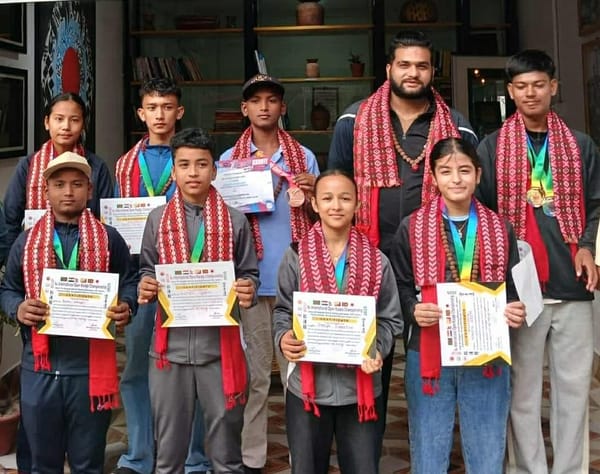
The Future of Hospitality in Nepal
Nepal has the potential not only to strengthen domestic hospitality but also to become an exporter of globally competitive hospitality professionals.

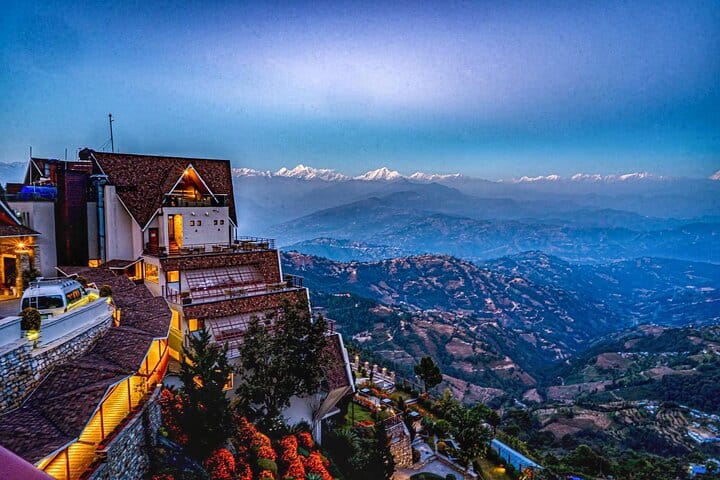
Nepal is known around the world for its Himalayas, cultural depth, spirituality, and genuine warmth. The phrase “Atithi Devo Bhava” - meaning Guest is God - reflects a deep-rooted cultural value rather than a marketing slogan. However, the future of hospitality in Nepal now depends on more than natural beauty and kind smiles. It requires strong infrastructure, safe transportation, professional training, policy stability, sustainability, and alignment with global standards. Nepal stands at a turning point. With strategic planning and coordinated development, it can emerge as one of Asia’s strongest hospitality destinations by 2035.
Transportation: The First Impression of a Nation
A tourist’s journey begins at the airport and continues on the road. That first experience shapes the overall perception of the country. Tribhuvan International Airport remains Nepal’s primary gateway, while Gautam Buddha International Airport and Pokhara International Airport represent major steps toward modernization.
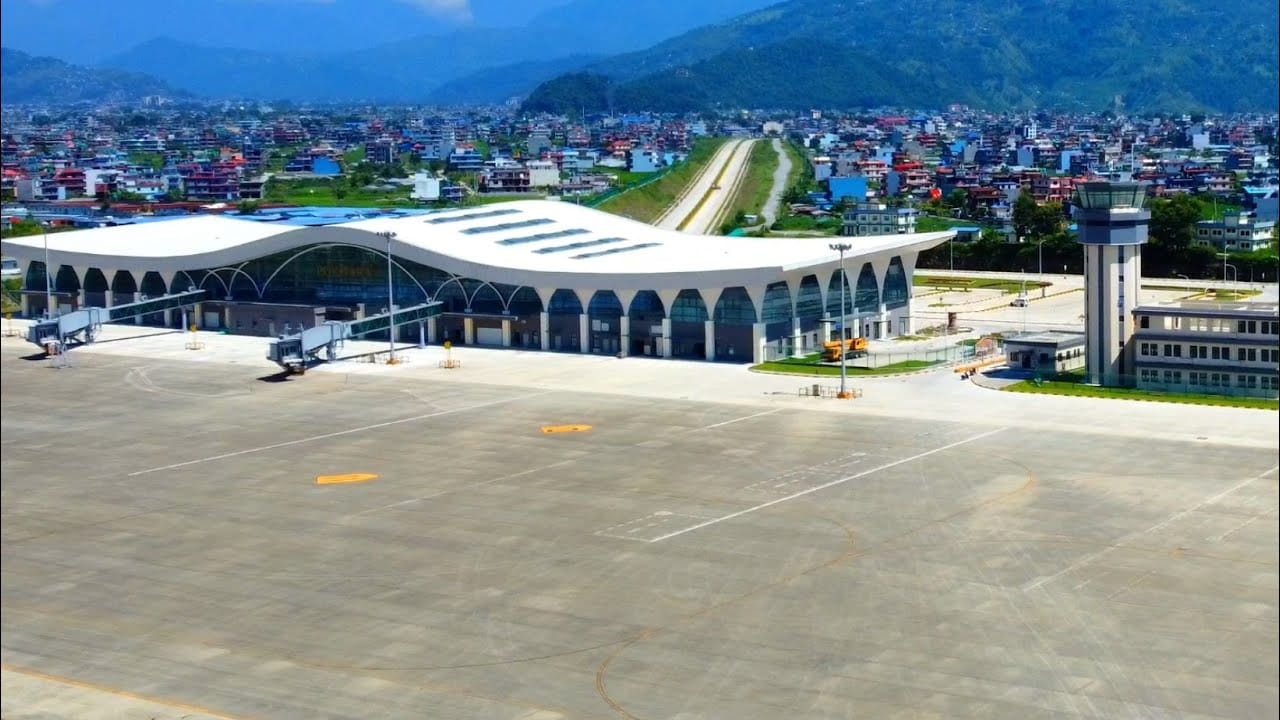
Despite progress, concerns about aviation safety, weather-related disruptions, limited air traffic capacity, and operational efficiency still affect Nepal’s global image. In today’s connected world, aviation reliability directly influences tourist confidence.
Airports are not just infrastructure; they are brand ambassadors of a nation. Strengthening safety protocols, modernizing air traffic systems, and ensuring transparent regulatory practices are essential for long-term credibility.
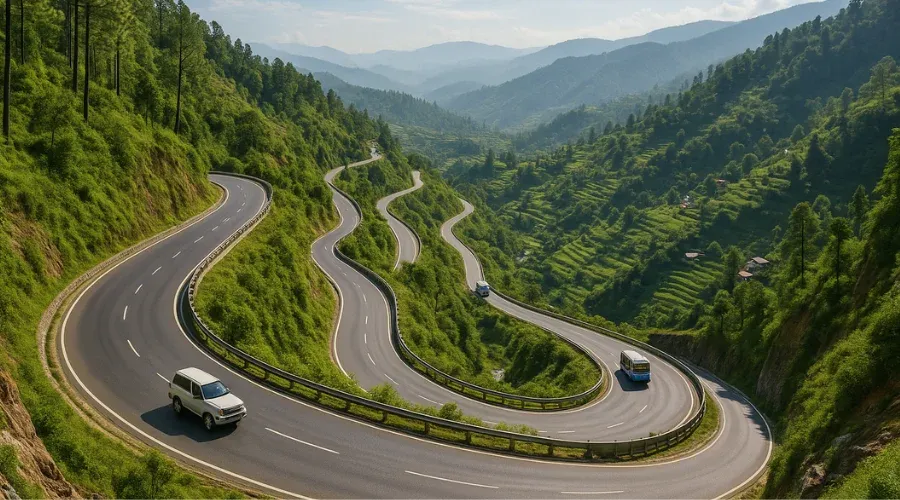
Road transportation presents another challenge. Mountain highways, landslides, seasonal road blockages, and long travel durations can make journeys exhausting.
today value comfort, punctuality, and reliability. Investment in safer highways, trained tourist drivers, organized transport networks, and digital navigation systems can dramatically improve the visitor experience. Accessibility is directly linked to satisfaction.
Unlocking Unexplored Destinations
Nepal is globally recognized for Mount Everest and the Annapurna Circuit, but the country’s tourism potential goes far beyond these iconic routes. Eastern hills, mid-western valleys, Terai wetlands, and remote cultural villages remain underdeveloped due to limited accessibility and structured promotion.
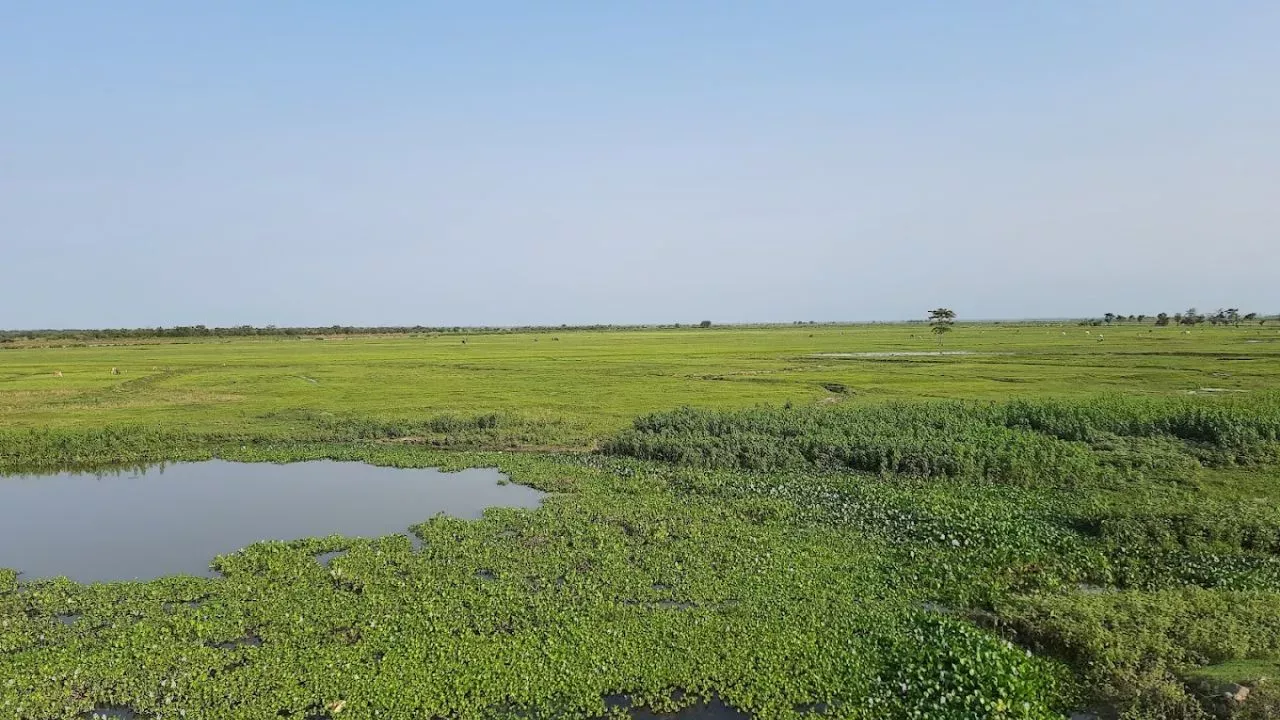
Improving infrastructure in these regions can transform local economies. Homestays, boutique lodges, local restaurants, handicraft markets, and community tourism initiatives can flourish when connectivity improves. Diversifying tourism destinations also reduces pressure on overcrowded trekking zones and promotes balanced regional development.
Entry of Global Hotel Brands and Competitive Standards
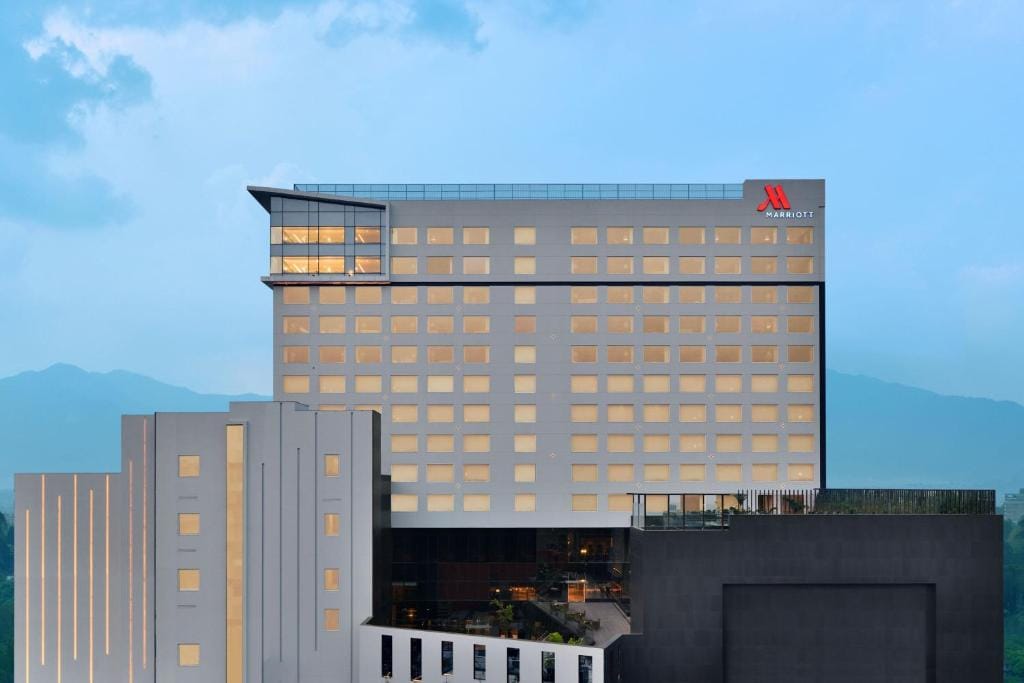
The arrival of international brands signals growing confidence in Nepal’s market. Companies like Marriott International and The Ramada Group bring structured service systems, advanced management practices, international marketing exposure, and high-level employee training.
Their presence raises industry benchmarks. Local hotels must innovate, upgrade facilities, integrate technology, and maintain consistent service quality to remain competitive. The goal is not imitation but elevation - combining Nepali warmth with global professionalism.
Hospitality Education and Human Capital
The rapid growth of hotel management colleges in Nepal reflects rising interest among young professionals. However, quantity must match quality. Curriculum should emphasize leadership skills, personality development, crisis management, digital marketing, revenue strategy, communication excellence, and practical industry exposure.
Nepal has the potential not only to strengthen domestic hospitality but also to become an exporter of globally competitive hospitality professionals.
Introducing tourism awareness at the school level can further strengthen the ecosystem. Teaching children about environmental responsibility, cultural respect, and the economic importance of tourism builds a service-oriented mindset from an early age. Countries that embed hospitality values in education develop stronger long-term tourism cultures.
Spiritual and Wellness Tourism: A Strategic Advantage
Nepal holds unique spiritual significance as the birthplace of Buddha at Lumbini and home to sacred sites such as Boudhanath Stupa.
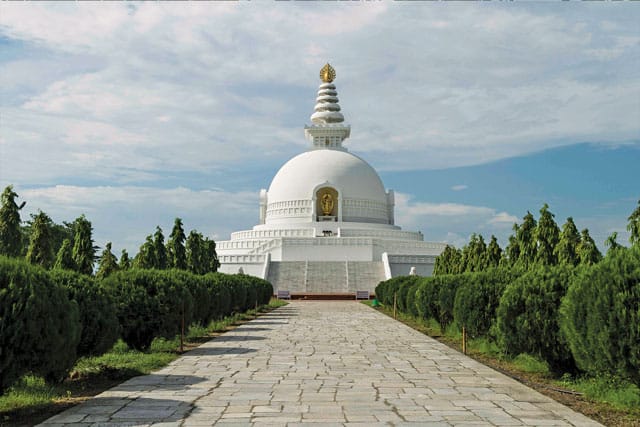
In a world increasingly affected by stress and digital overload, spiritual tourism, meditation retreats, yoga travel, wellness resorts, and mindful trekking experiences represent powerful growth sectors. With structured planning, quality retreat centers, trained facilitators, and international branding, Nepal can position itself as a global hub for conscious travel and inner transformation.
Religious Tourism: A Timeless Strength of Nepal
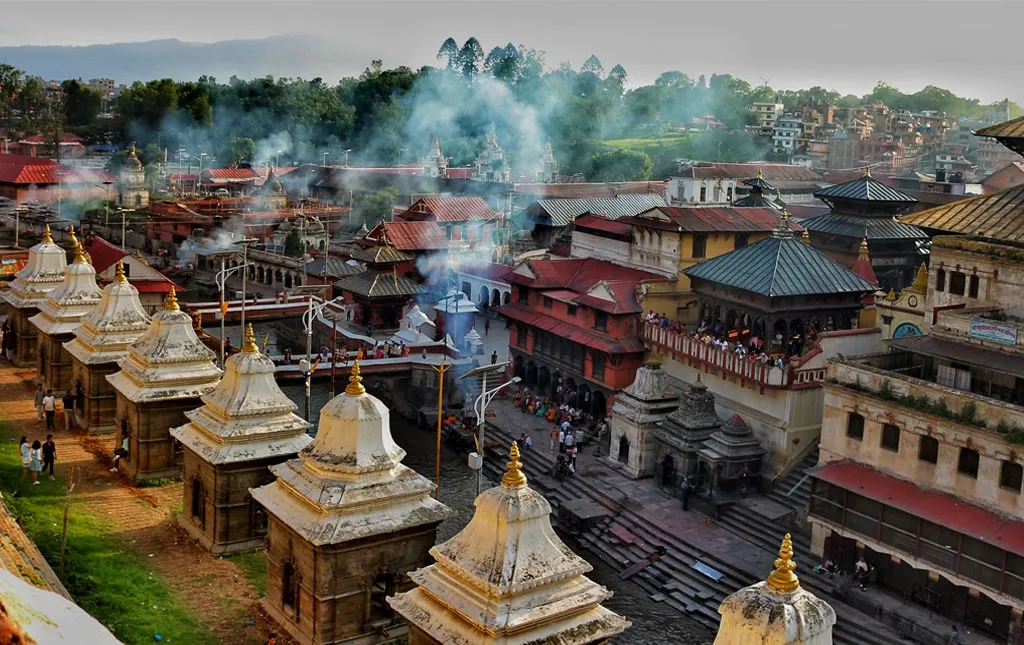
Religious tourism is one of Nepal’s most powerful yet under-structured hospitality assets. Beyond mountains and adventure, Nepal stands as a sacred destination for millions of pilgrims and faith-based travelers across South Asia and the world.
As the birthplace of Buddha at Lumbini and home to the sacred Hindu shrine of Pashupatinath Temple, Nepal holds deep spiritual authority in both Buddhism and Hinduism. These sites are not seasonal attractions; they generate year-round pilgrimage movement.
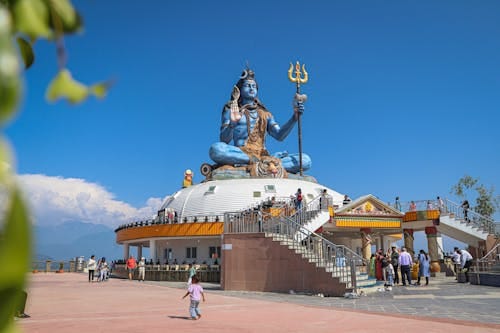
Other major pilgrimage destinations such as Muktinath Temple and Janaki Temple strengthen Nepal’s multi-faith tourism identity. These religious circuits connect faith, architecture, ritual traditions, mythology, and living heritage.
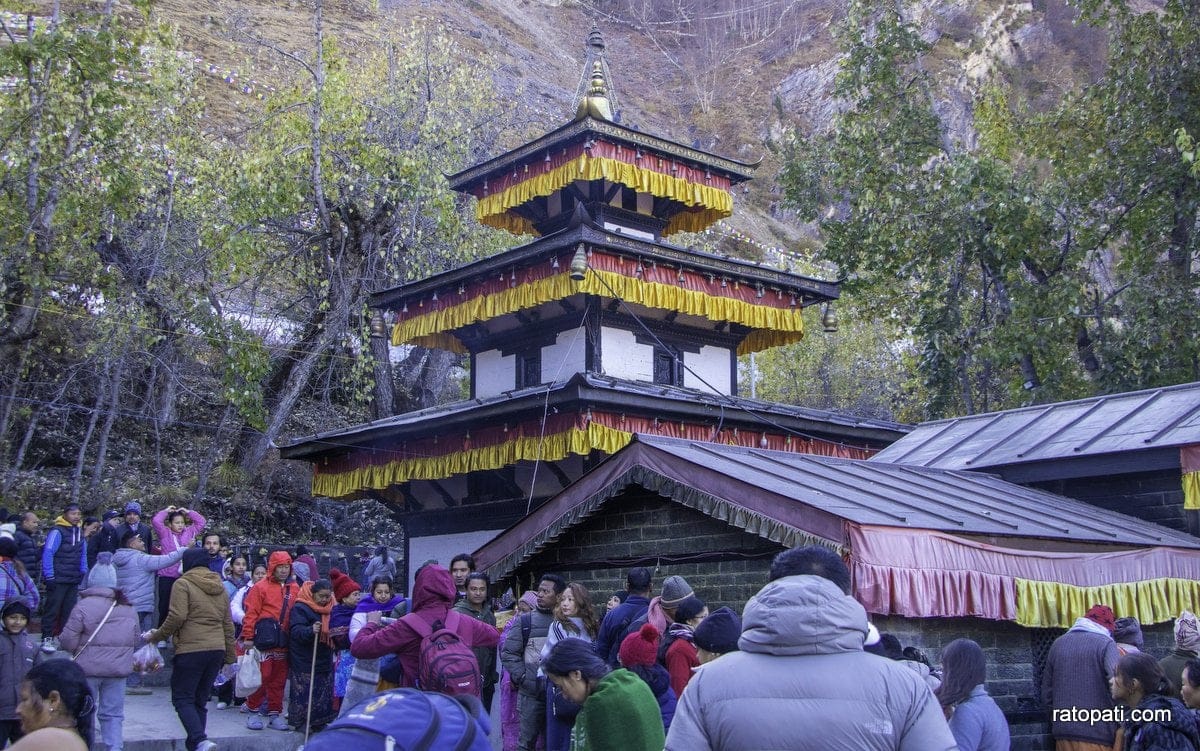
Religious tourism provides economic stability because it is less dependent on adventure seasons. Pilgrims travel for devotion, festivals, and life events, creating consistent hospitality demand. Hotels, lodges, transport operators, flower vendors, local restaurants, guides, and artisans benefit directly from this movement.
However, the full potential of religious tourism remains underutilized. Cleanliness around temple zones, organized crowd management during major festivals, heritage preservation, multilingual interpretation services, and structured pilgrimage packages require stronger coordination. Infrastructure improvements near religious corridors can significantly enhance visitor comfort without disturbing cultural authenticity.
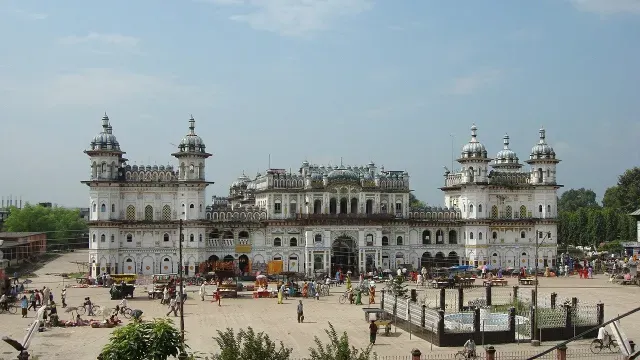
Developing cross-border pilgrimage circuits with India and promoting Buddhist heritage routes globally can expand Nepal’s international spiritual footprint. Proper branding, conservation planning, and service standardization can transform religious tourism into one of the most reliable pillars of Nepal’s hospitality economy.
Religious tourism is emotionally powerful, culturally authentic, and economically stable. With professional planning and respectful management, it can elevate Nepal’s global tourism positioning while preserving its sacred heritage.
Sustainability and Responsible Development

Sustainability is no longer optional in modern hospitality. Waste management, renewable energy adoption, water conservation, and eco-friendly construction are global expectations. Nepal’s fragile mountain ecosystems demand responsible tourism practices. Hotels and resorts that adopt green certifications, support local sourcing, and engage communities in tourism benefit not only environmentally but also economically. Conscious travelers increasingly choose destinations that align with ethical and environmental values.
Technology and Global Alignment
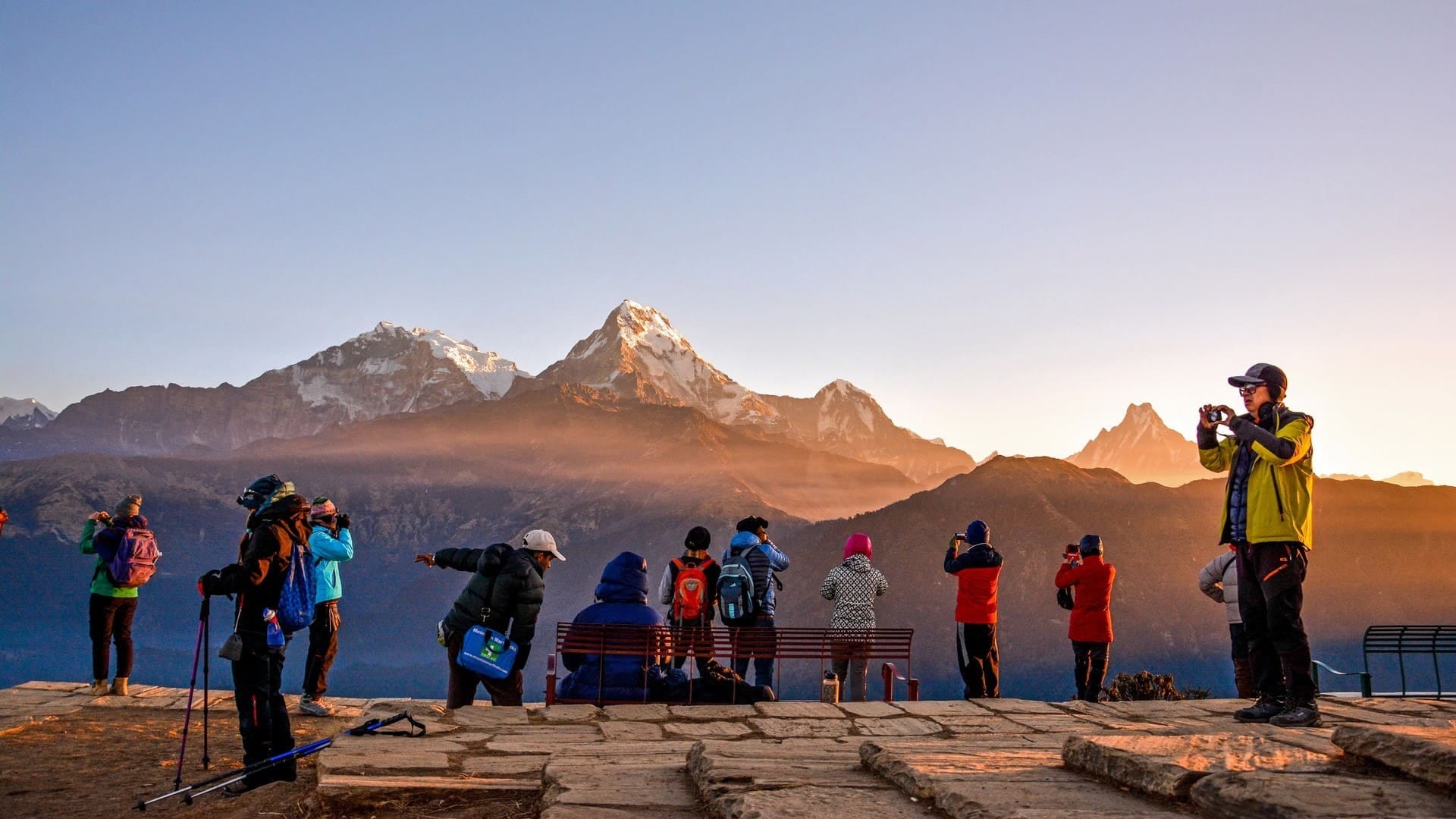
Digital transformation is critical. Online booking platforms, dynamic pricing systems, AI-driven analytics, reputation management tools, and virtual marketing campaigns shape modern hospitality competitiveness. Even small boutique lodges must adapt to digital ecosystems to remain visible in global markets. Consistency in service standards across Kathmandu, Pokhara, and remote eco-lodges is essential for building a strong national brand.
Vision for 2035
If Nepal strengthens transportation safety, expands accessibility, invests in education, diversifies destinations, and aligns with global standards, the hospitality sector can transform significantly by 2035. Nepal already possesses emotional intelligence - warmth, empathy, cultural richness. The next step is infrastructure intelligence and strategic coordination.
The country does not lack potential. It requires long-term planning, disciplined execution, and collective commitment from government, private sector, and educational institutions.
Conclusion
The future of hospitality in Nepal is promising yet demanding. Transportation safety and accessibility remain core structural challenges. At the same time, unexplored destinations, global hotel investments, expanding hospitality education, spiritual tourism, and sustainable development offer extraordinary opportunities. If Nepal successfully blends traditional warmth with international professionalism, it can redefine its place on the global tourism map. The world is ready to explore Nepal. Nepal must now be ready to welcome the world - safely, professionally, and sustainably.