The Environment - Our Shared Responsibility for a Sustainable Future
Understanding environmental issues and taking responsibility for protecting natural resources is essential for building a safe and prosperous future. This article explores the importance of the environment, major environmental problems, and practical solutions for sustainability.


The environment is the foundation of life on Earth. It includes the air we breathe, the water we drink, the soil that grows our food, and the ecosystems that support millions of species. A clean and healthy environment is not a luxury—it is a necessity for human survival and sustainable development. Today, however, environmental challenges such as climate change, pollution, deforestation, and biodiversity loss threaten the balance of nature.
Understanding environmental issues and taking responsibility for protecting natural resources is essential for building a safe and prosperous future. This article explores the importance of the environment, major environmental problems, and practical solutions for sustainability.
What Is the Environment?
The environment refers to everything around us, both living and non-living. It includes:
- Natural components: air, water, land, forests, wildlife, and climate
- Human-made components: cities, industries, roads, and infrastructure
The natural environment provides resources such as food, fresh water, timber, minerals, and energy. It also regulates climate, purifies air and water, and supports biodiversity.
Importance of the Environment
1. Supports Life
Plants produce oxygen through photosynthesis, which is essential for humans and animals. Water bodies supply drinking water and support aquatic life.
2. Economic Development
Agriculture, fisheries, tourism, and forestry depend heavily on natural resources. A healthy environment contributes directly to economic growth.
3. Climate Regulation
Forests and oceans absorb carbon dioxide and help regulate global temperatures.
4. Biodiversity
The Earth is home to millions of species. Biodiversity maintains ecological balance and strengthens ecosystems against natural disasters.
Major Environmental Issues
1. Climate Change
Climate change is mainly caused by greenhouse gas emissions from burning fossil fuels such as coal, oil, and gas. Rising temperatures lead to melting glaciers, rising sea levels, and extreme weather events.
2. Pollution
Pollution affects air, water, and soil.
- Air pollution comes from vehicles, factories, and burning waste.
- Water pollution results from industrial discharge, plastic waste, and sewage.
- Soil pollution is caused by chemical fertilizers and pesticides.
Pollution harms human health and damages ecosystems.
3. Deforestation
Forests are being cut down for agriculture, urban development, and industrial use. Deforestation reduces biodiversity and increases carbon dioxide levels.
4. Loss of Biodiversity
Habitat destruction, climate change, and illegal wildlife trade are major causes of species extinction.
Sustainable Development: The Way Forward
Sustainable development means meeting present needs without compromising the ability of future generations to meet their own needs. It focuses on balancing economic growth, environmental protection, and social development.
Key Principles of Sustainability
- Reduce waste and pollution
- Conserve natural resources
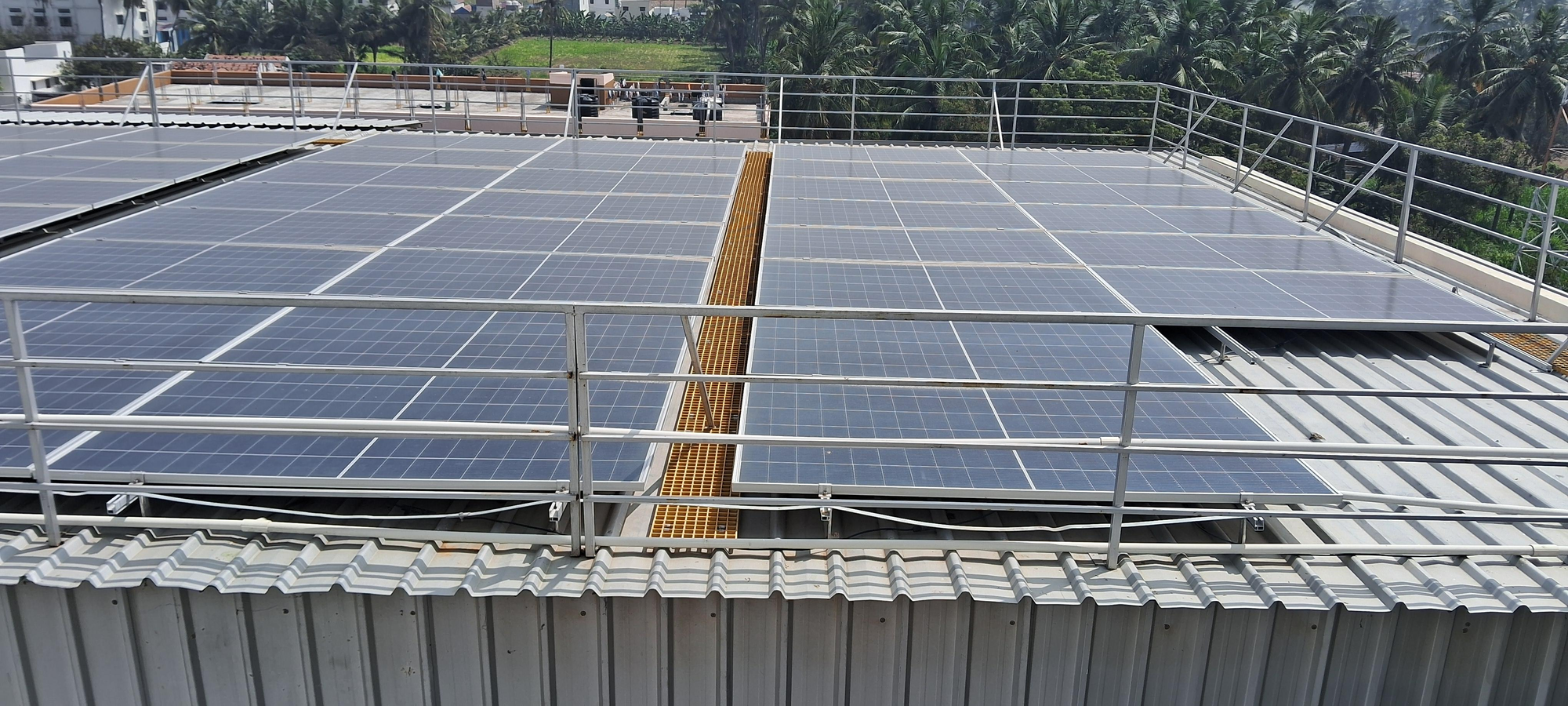
- Promote renewable energy
- Encourage responsible consumption
Renewable Energy and Green Solutions
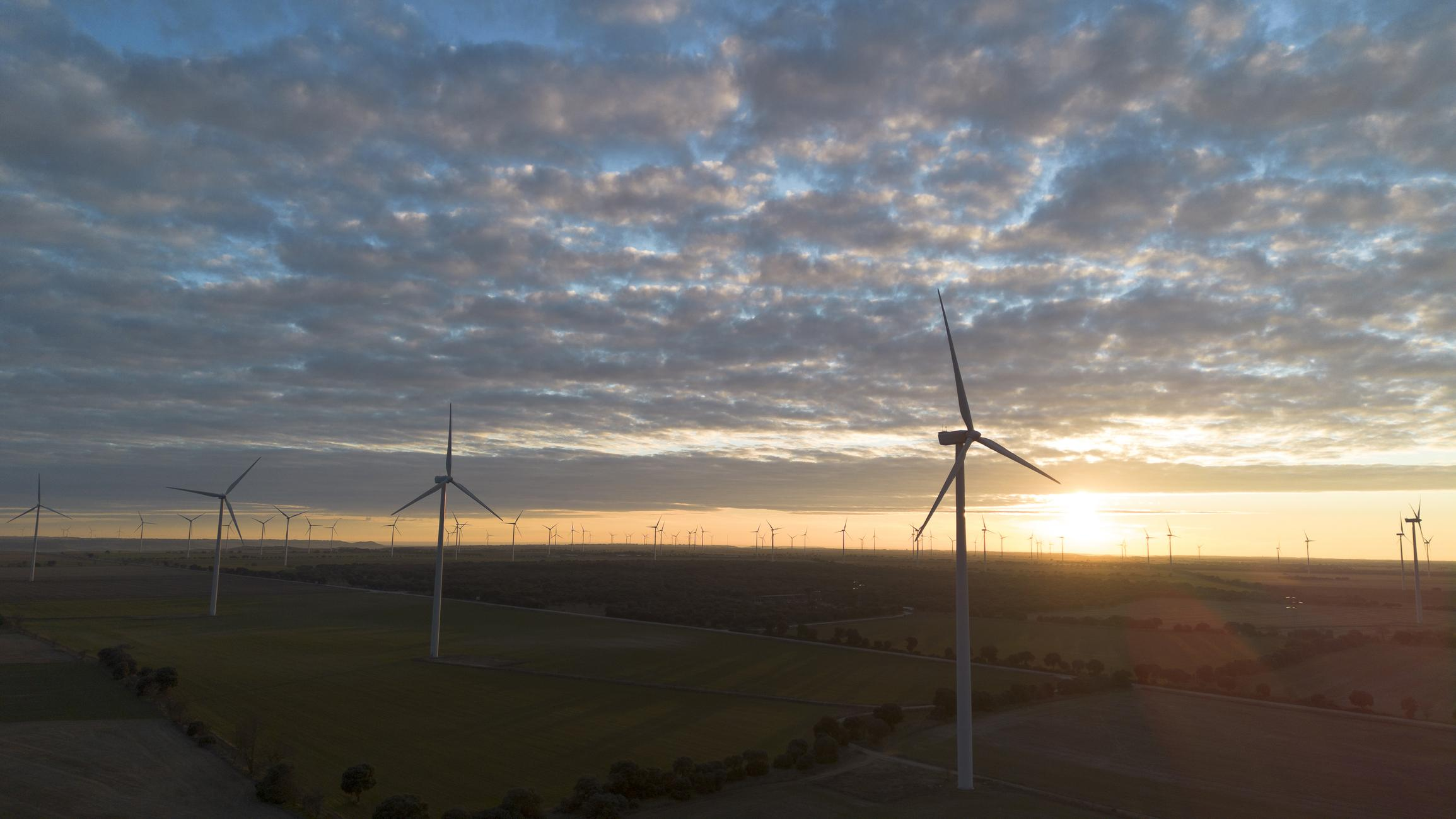
Renewable energy sources such as solar, wind, hydro, and geothermal power are environmentally friendly alternatives to fossil fuels. They reduce greenhouse gas emissions and promote cleaner air.
Other green solutions include:
- Recycling and waste management
- Rainwater harvesting
- Organic farming
- Energy-efficient appliances
Role of Individuals in Environmental Protection
Every individual can contribute to environmental conservation through small daily actions:
- Save electricity by turning off unused appliances.
- Reduce plastic use and carry reusable bags.
- Plant trees and support afforestation programs.
- Use public transport or carpool to reduce emissions.
- Conserve water by fixing leaks and using water wisely.
Small efforts collectively create significant positive change.
Government and Global Initiatives
Governments play a major role in environmental protection by creating laws, policies, and international agreements. Environmental regulations control pollution and encourage sustainable practices.
Global cooperation is also essential because environmental problems cross national borders. Climate agreements and biodiversity conservation programs aim to protect the planet collectively.
Environmental Education and Awareness
Education is a powerful tool for environmental protection. Schools and universities must teach students about sustainability and conservation. Awareness campaigns help communities understand the importance of protecting natural resources.
Media and digital platforms can spread environmental awareness and inspire positive action.
Conclusion
The environment is our shared home, and its protection is a collective responsibility. Rapid industrialization and urbanization have increased environmental challenges, but sustainable solutions are within reach. By adopting eco-friendly habits, promoting renewable energy, and supporting environmental policies, we can protect natural resources for future generations.
A healthy environment ensures clean air, safe water, food security, and economic stability. The time to act is now. Every individual, community, and nation must work together to create a greener, cleaner, and more sustainable world.