Visionary Politician Dr. Shekhar Koirala

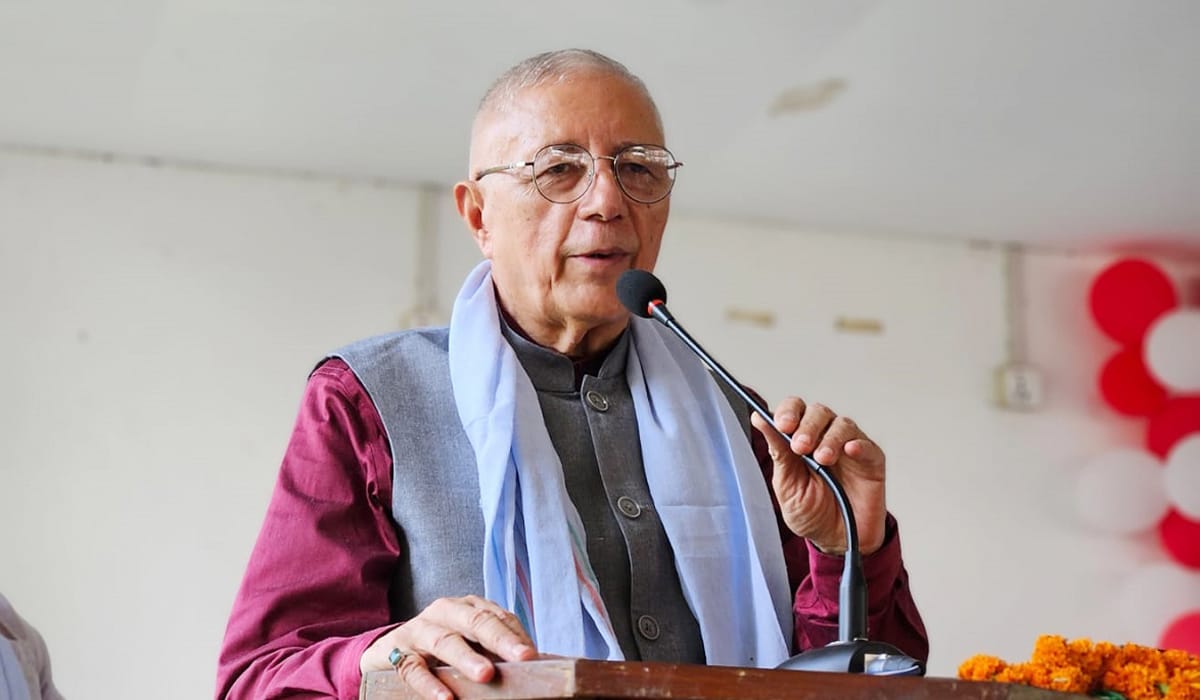
Shekhar Koirala is a prominent political leader of Nepal and an influential figure within the Nepali Congress. As a central working committee member of the party and a member of the Federal Parliament of Nepal, he has played a significant role in shaping contemporary Nepali politics.
His political journey reflects a blend of democratic ideals, party loyalty, and active engagement in national issues.
Born into the renowned Koirala political family, Shekhar Koirala carries a legacy deeply connected with Nepal’s democratic movement. The Koirala family has historically contributed to establishing and strengthening democratic values in Nepal.
Growing up in such an environment influenced his understanding of politics, governance, and public service from an early age. However, beyond family legacy, he has built his own identity through dedication, active participation, and consistent involvement in party and parliamentary affairs.
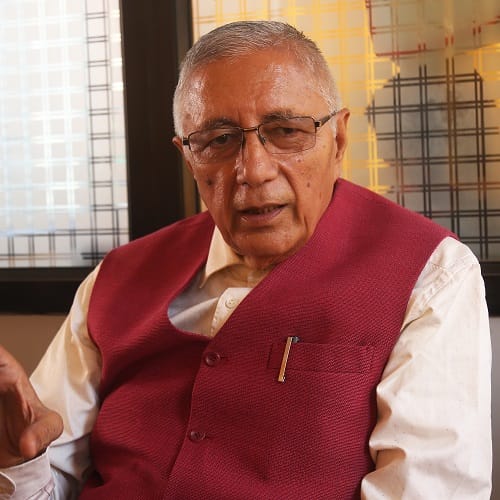
Within the Nepali Congress, Shekhar Koirala serves as a central working committee member, one of the most important decision-making bodies of the party. The central working committee plays a vital role in forming party policies, strategies, and organizational direction.
As a member of this committee, he contributes to internal party discussions, policy formulation, and strategic planning, especially during critical political moments such as elections, coalition building, and national crises. His role requires balancing party unity while also presenting his perspectives on reform and leadership.
Shekhar Koirala is often recognized for advocating internal democracy within the party. In various party conventions and meetings, he has emphasized transparency, accountability, and inclusiveness. He has voiced the need for strengthening grassroots-level party structures and empowering local leaders.
His political stance frequently highlights the importance of institutional development rather than personality-driven politics. This approach has earned him both supporters and critics within the party, reflecting the dynamic nature of democratic political organizations.
As a member of the 2nd Federal Parliament of Nepal, Shekhar Koirala represents his constituency at the national legislative level. The Federal Parliament plays a central role in law-making, policy oversight, and national governance under Nepal’s federal democratic republic system.
In Parliament, members debate bills, raise public concerns, and participate in committees that scrutinize government performance.
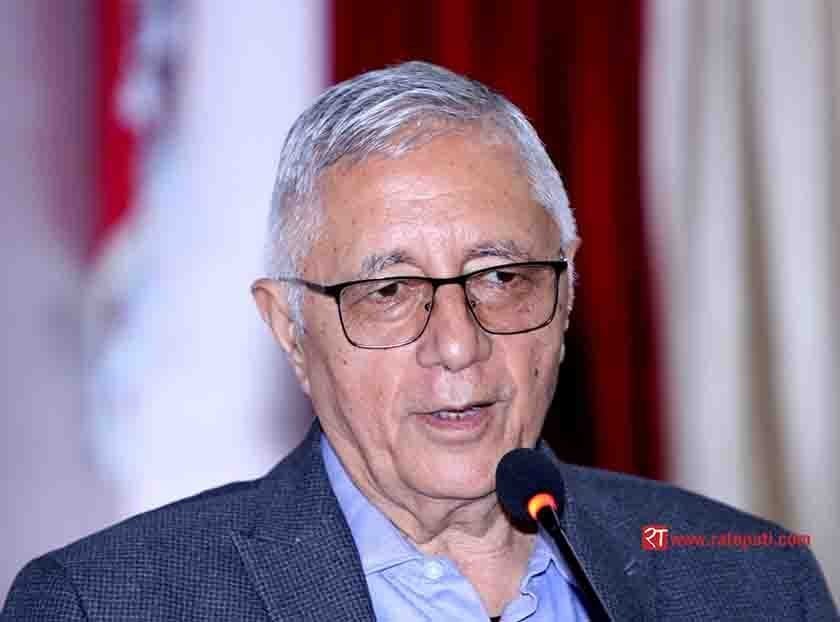
Through his parliamentary role, Shekhar Koirala contributes to legislative discussions and national policymaking.
His parliamentary engagement includes addressing issues related to governance reform, economic development, social justice, and democratic consolidation.
Nepal, being in a transitional phase following the promulgation of the new constitution, faces numerous political, economic, and administrative challenges. Leaders like Shekhar Koirala participate in shaping laws and policies that aim to strengthen federalism, promote development, and ensure political stability.
 Dipak Bohora
His speeches and statements often reflect concerns about effective governance and responsible leadership.
Another significant aspect of Shekhar Koirala’s political career is his involvement in national elections. Electoral politics in Nepal are highly competitive, especially among major parties.
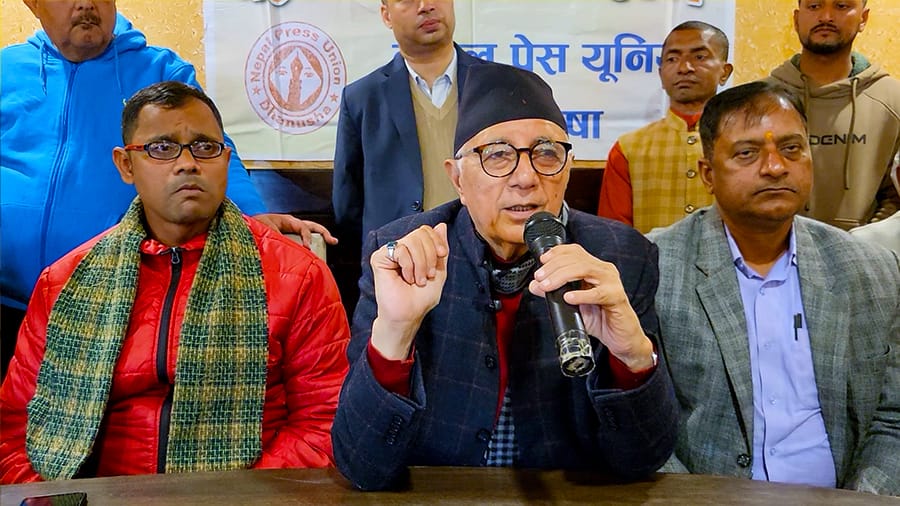
As a senior leader of the Nepali Congress, he has actively campaigned, mobilized party workers, and contributed to party strategies during elections. His leadership style combines organizational experience with direct engagement with voters.
By interacting with citizens and addressing their local concerns, he reinforces the link between party leadership and grassroots communities.
Throughout his career, Shekhar Koirala has maintained a reputation as a leader who speaks openly about party reforms and national direction. At times, he has positioned himself as a reform-oriented figure within the Nepali Congress. His views on leadership selection, policy clarity, and party unity have influenced internal debates.
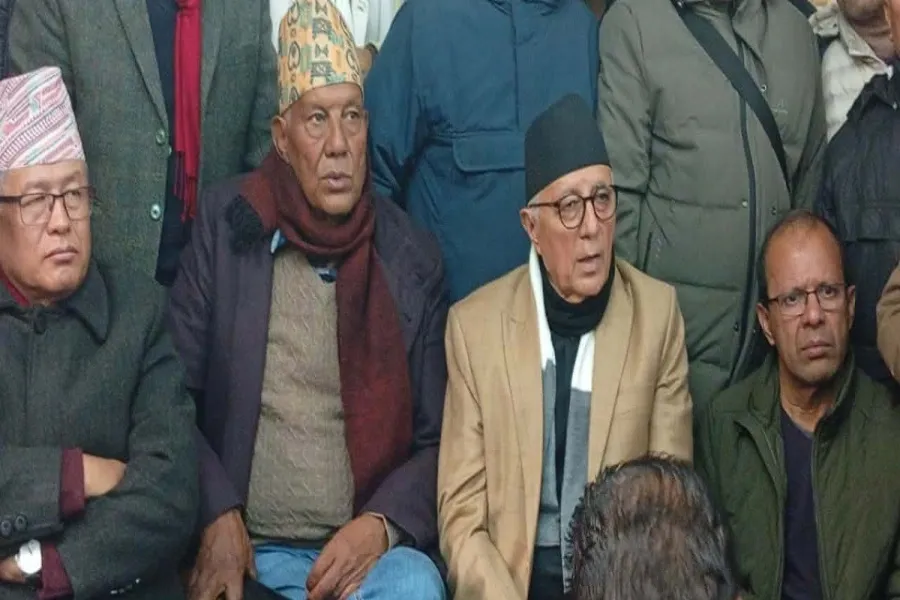
While internal competition is common in large democratic parties, such competition can also contribute to organizational vitality. His active participation in party conventions demonstrates his commitment to shaping the future leadership of the party.
Nepal’s political landscape is characterized by coalition governments, shifting alliances, and evolving policy priorities. In this context, leaders in the Federal Parliament must navigate complex negotiations and maintain dialogue with multiple political actors.
Shekhar Koirala’s experience within the party and Parliament provides him with insight into coalition politics and consensus-building. His contributions often stress democratic norms and institutional processes.
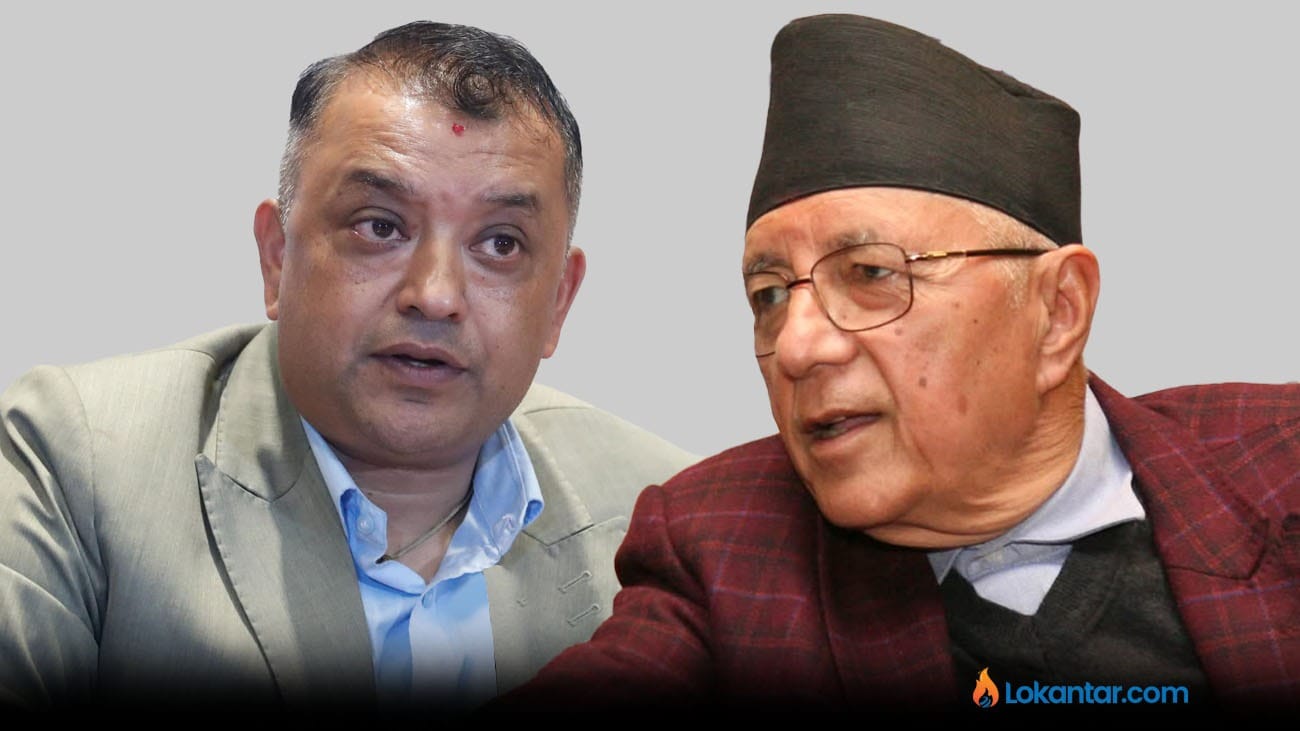
Beyond formal political roles, Shekhar Koirala’s public image is shaped by his communication style and public appearances. Whether addressing party gatherings, parliamentary sessions, or public rallies, he presents himself as a leader concerned with democratic values and national development.
Media coverage of his statements often highlights his perspectives on party unity, governance standards, and leadership accountability.
In summary, Shekhar Koirala stands as a significant figure in contemporary Nepali politics. As a central working committee member of the Nepali Congress and a member of the 2nd Federal Parliament of Nepal, he occupies influential positions in both party and state structures.
His political journey reflects a combination of family legacy, personal dedication, and active participation in democratic processes. Through his involvement in policy discussions, party reforms, and parliamentary duties, he continues to shape political discourse in Nepal.
His role underscores the importance of experienced leadership in strengthening democratic institutions and guiding the nation toward stability and development.