Scientific Method to Reverse Stress and Activate Healing System
The human body possesses a built-in healing mechanism known as the Relaxation Response, and this is no mere imagination. It is scientifically measurable, producing real, documented changes in heart rate, breathing, hormones, brain waves, and metabolism.


Stress is the body's emergency survival system, powerful, automatic, and necessary for short-term danger, yet damaging to health when continuously activated by the psychological pressures of modern life. This raises an important question: if repeated stress harms the body, is there an opposite system capable of restoring balance? The answer is yes. The human body possesses a built-in healing mechanism known as the Relaxation Response, and this is no mere imagination. It is scientifically measurable, producing real, documented changes in heart rate, breathing, hormones, brain waves, and metabolism. In every sense, it is the biological opposite of the fight-or-flight response.
What Is the Relaxation Response?
The relaxation response is a physical state of deep rest that changes the body's stress chemistry by shifting the nervous system from emergency mode to recovery mode. When this response is activated, the heart rate slows down, blood pressure decreases, breathing becomes calm and rhythmic, muscles loosen, stress hormones reduce, and mental clarity improves.
In short, the body moves from survival mode to healing mode. This is not sleep. It is conscious calmness.

The Science Behind the Relaxation Response
When a person enters a relaxed state intentionally, measurable biological changes occur. Oxygen consumption decreases, metabolism slows down, and heart rate reduces. Brain waves shift from Beta, the alert and stressed state, to Alpha and Theta, which are calm and restorative states. Cortisol levels decrease and adrenaline reduces. These changes prove that relaxation is not just emotional. It is physiological. The brain and body communicate continuously, and when the mind becomes calm, the body follows.
Sympathetic vs Parasympathetic: The Two Modes of the Body
The nervous system has two major divisions that regulate stress and calmness. The Sympathetic Nervous System is stress mode. It activates fight or flight, increases heart rate and blood pressure, releases energy, and prepares the body for action. The Parasympathetic Nervous System, on the other hand, is calm mode. It activates rest and digest, slows the heart, supports digestion, repairs tissues, and strengthens immunity.
 Swami Devraj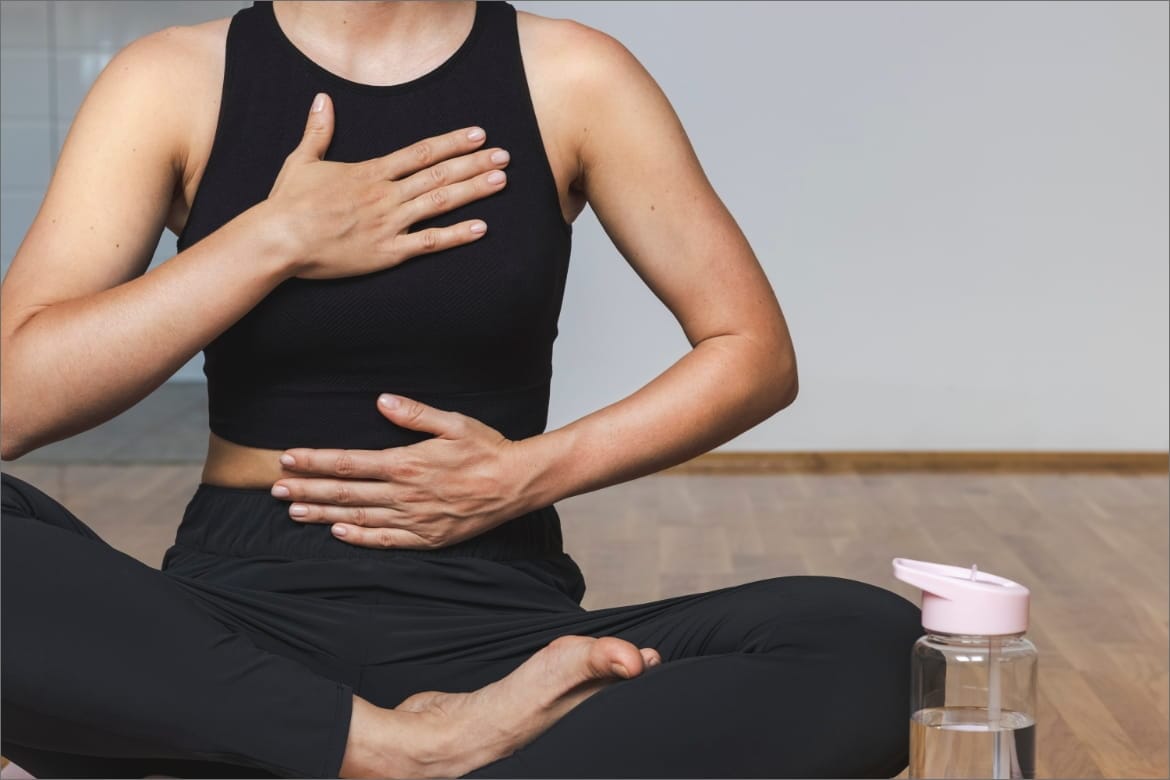
The relaxation response activates the parasympathetic system, and when parasympathetic activity dominates, the body heals and recovers. Because modern life constantly stimulates the sympathetic system, intentional relaxation becomes necessary to activate the parasympathetic system.
Why Relaxation Is a Biological Necessity
Many people believe relaxation is a luxury, but in reality it is a medical necessity. Without relaxation, blood pressure remains elevated, muscles remain tight, digestion remains weak, sleep becomes disturbed, immunity reduces, and emotional stability declines. The body requires balance between activation and recovery. Just as muscles need rest after exercise, the nervous system needs calm after stress, and without that recovery, breakdown begins.
The Four Essential Elements of the Relaxation Response
Scientific observation shows that effective relaxation requires four specific conditions, which together act like a recipe. When all four are present, the relaxation response activates more easily. The first element is a quiet environment. A peaceful setting reduces external stimulation, because noise keeps the brain alert while silence allows the nervous system to settle.
Early mornings, a quiet room, or a calm corner of the house all serve this purpose. The second element is a mental device, or focus tool. Since the mind naturally wanders, a simple anchor is used to stabilize attention. This may include awareness of breathing, counting numbers, repeating a mantra, a prayer word, or a calming word like "peace." The purpose is not to force silence, but to gently anchor attention. The third element is a passive attitude, which is one of the most important.
 Amir Aryal
Thoughts should not be fought or judged, and frustration should be avoided. When the mind wanders, and it will, the practitioner simply returns gently to the focus tool. The goal is not to stop thinking, but to stop reacting, as a passive attitude prevents mental struggle that would otherwise reactivate stress. The fourth element is a comfortable position.
Sitting on a chair with the spine relaxed, shoulders loose, hands resting naturally, and eyes closed is recommended. The posture should be alert but relaxed, as lying down may lead to sleep.
Step-by-Step Relaxation Response Method
This technique can be practiced by anyone and requires no special equipment, with a recommended duration of ten to twenty minutes. Begin by sitting quietly in a comfortable position and closing your eyes. Relax the muscles gradually from the feet upward, then breathe slowly through the nose.
During each exhale, or inhale, repeat a word softly in the mind, and if distracted, gently return to that word. After ten to twenty minutes, sit quietly for one minute before standing. This method is simple but powerful, practiced worldwide in various forms, and consistency matters more than intensity.
Daily Practice Schedule
For maximum benefit, the practice is ideally done in the morning and evening for ten to twenty minutes each session. It should be practiced daily, avoided immediately after heavy meals, performed at a fixed time, and maintained consistently. Just as physical exercise strengthens muscles, regular relaxation strengthens the nervous system, and the effect becomes deeper with repetition.
Real-Life Applications of the Relaxation Response
This technique benefits everyone. Students find it improves focus and exam confidence. Employees use it to prevent burnout and reduce workplace tension. Patients benefit from better blood pressure control and improved sleep quality. Athletes experience calmer performance under pressure, and families find it promotes emotional balance and better communication. Relaxation is not only for sick individuals. It is preventive medicine.

A Simple 2-Minute Practice for Immediate Reset
Even a short practice can help. Sit comfortably, close your eyes, take slow breaths, and repeat silently the word "peace." When distracted, return gently, then open your eyes slowly. In just two minutes, heart rate can slow and the nervous system begins shifting toward calm.
A Critical Understanding
The stress response harms the body when repeated without recovery, while the relaxation response restores health. Calmness is not a personality trait. It is a trainable skill. The body becomes what the mind repeatedly experiences. If the mind repeatedly experiences fear, the body adapts to stress.
If the mind repeatedly experiences calmness, the body adapts to healing. In the next and final article, we will deeply explore why stress becomes dangerous when long-term, the full medical impact on organs, the role of control, social support, and exercise, and how to prevent stress-related diseases.