Rise of Youth Leadership in Politics and Its Impact
Within the Congress party, General Secretary Thapa has established himself as a popular young leader. His political journey, which began during his student years, has always been closely connected with the people.

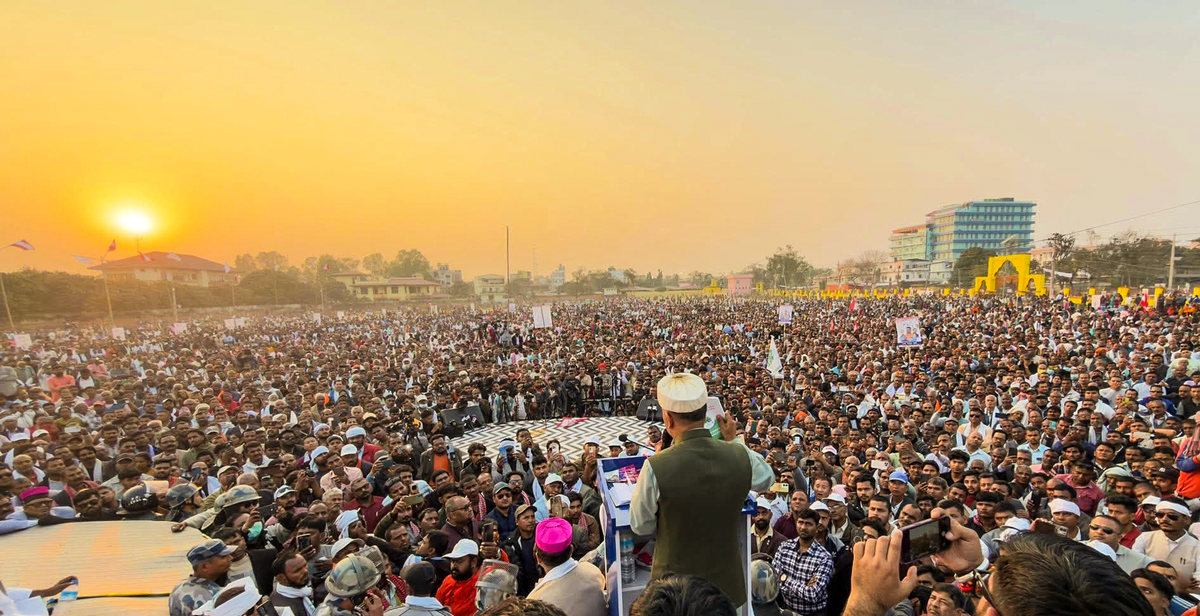
Nepal’s political landscape has been undergoing profound transformation over the past few decades. From the end of the Panchayat system, the restoration of multiparty democracy, to the establishment of a republic and federalism, the country’s political journey has been in constant flux. In this journey of change, the growing participation of the youth has played a vital role.
Recent political developments have particularly accelerated the emergence of young leaders in Nepali politics. Among them, Gagan Kumar Thapa, General Secretary of the Nepali Congress and a prominent youth leader, has been instrumental in guiding Nepali politics toward a new direction.
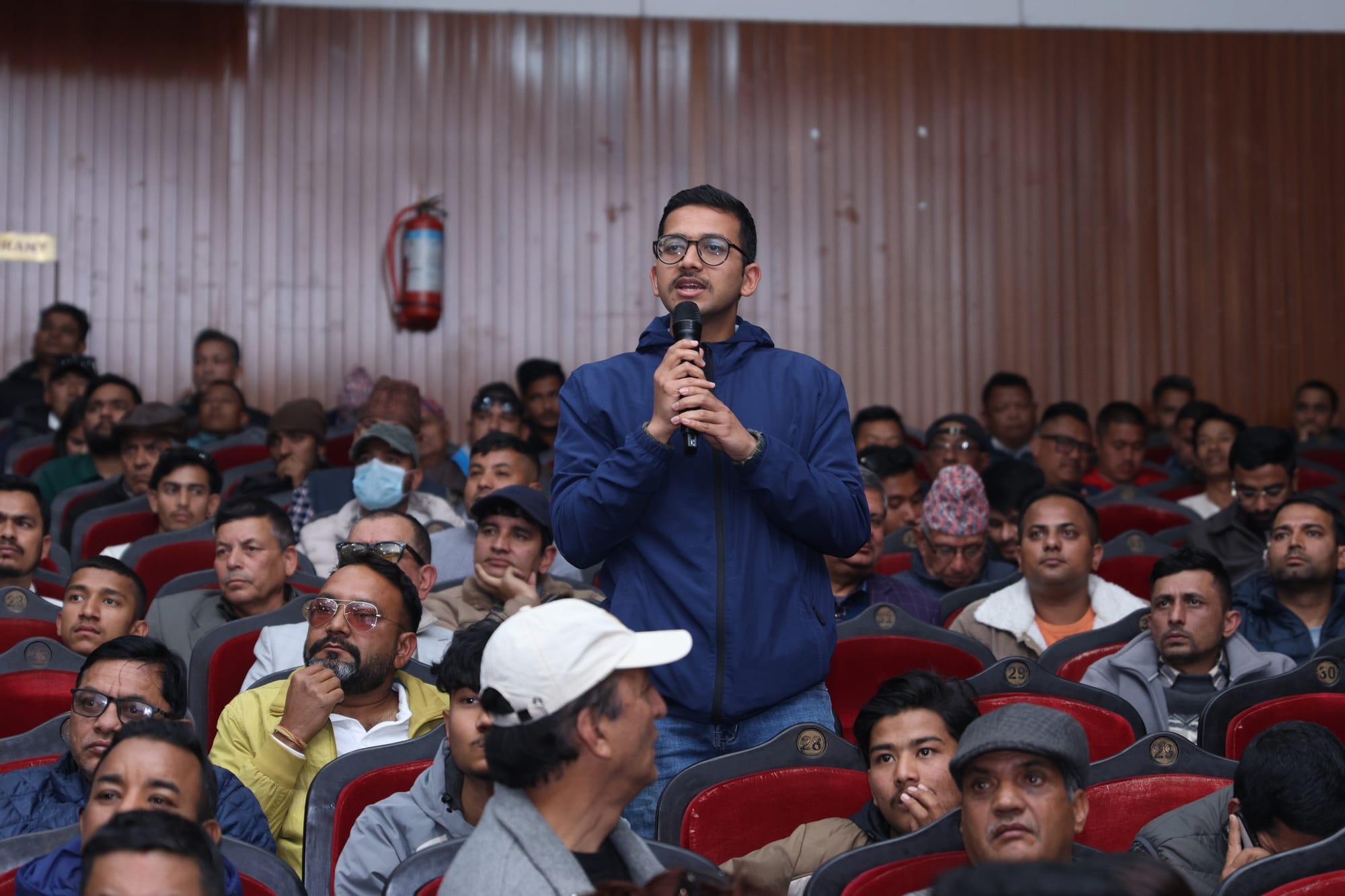
Within the Congress party, General Secretary Thapa has established himself as a popular young leader. His political journey, which began during his student years, has always been closely connected with the people.
His clear communication style, commitment to transparency, good governance, and responsible leadership have made him widely recognized not only within his party but across Nepali society. Thapa is becoming a symbol of hope and trust for every generation.
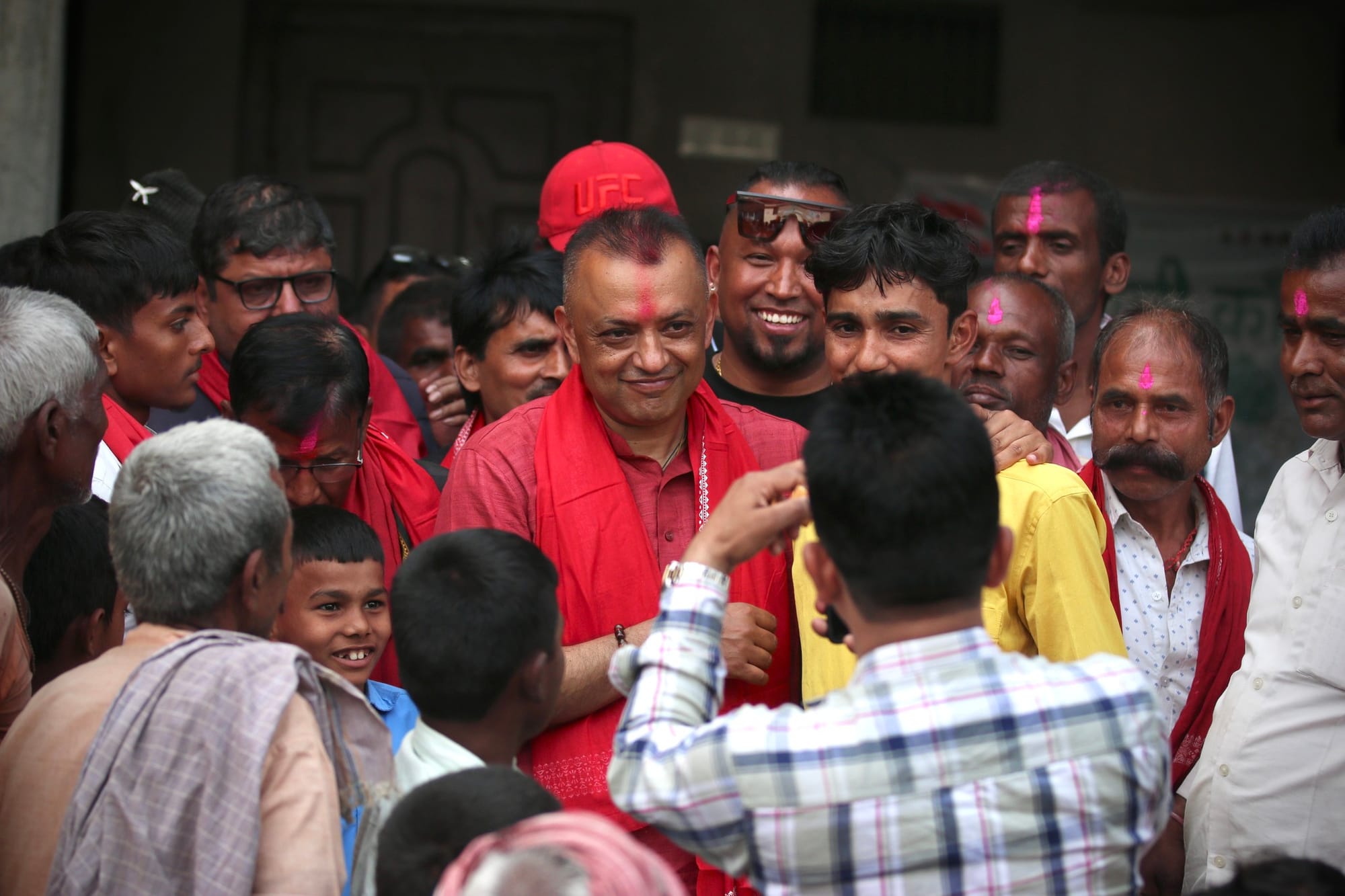
In Parliament, he actively raises issues across sectors and champions an anti-corruption agenda. During his tenure as Health Minister, he initiated reforms in Nepal’s health sector, including health insurance and the expansion of basic services, demonstrating his responsibility and vision as a leader.
Globally, it has been proven that democracy cannot be sustainable without youth participation. The energy, innovative thinking, tech-driven initiatives, and transparency-oriented mindset of young leaders signal positive change.
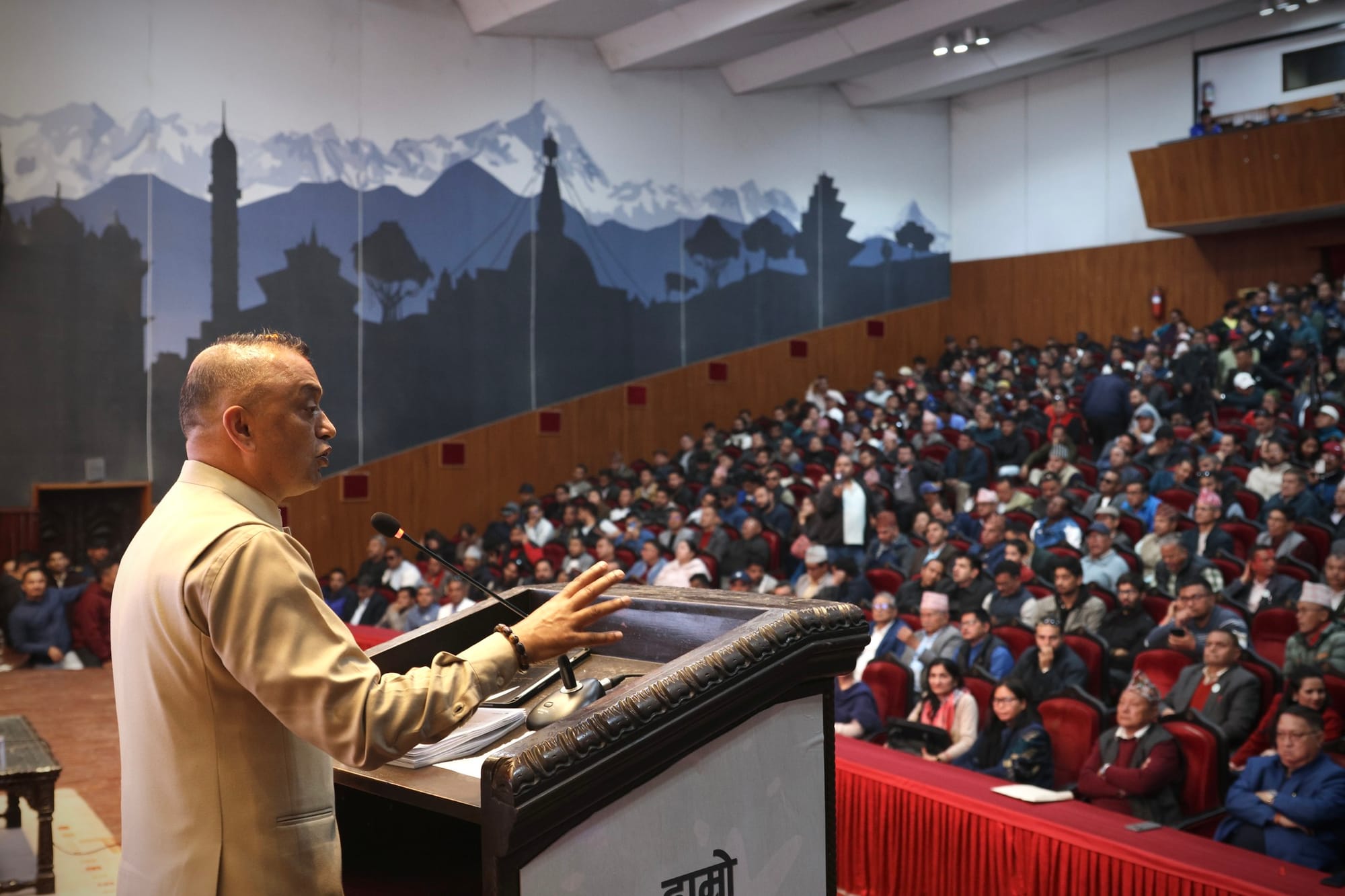
In a country like Nepal, where a significant portion of the population is young, their active involvement in political decision-making is particularly crucial. Leaders like General Secretary Thapa represent the active youth in politics, ensuring that their perspectives influence policymaking.
Youth involvement is essential in areas such as employment generation, education reform, healthcare, sustainable development, and information technology. The rise of youth leadership across political parties is already having a notable impact on Nepali politics.
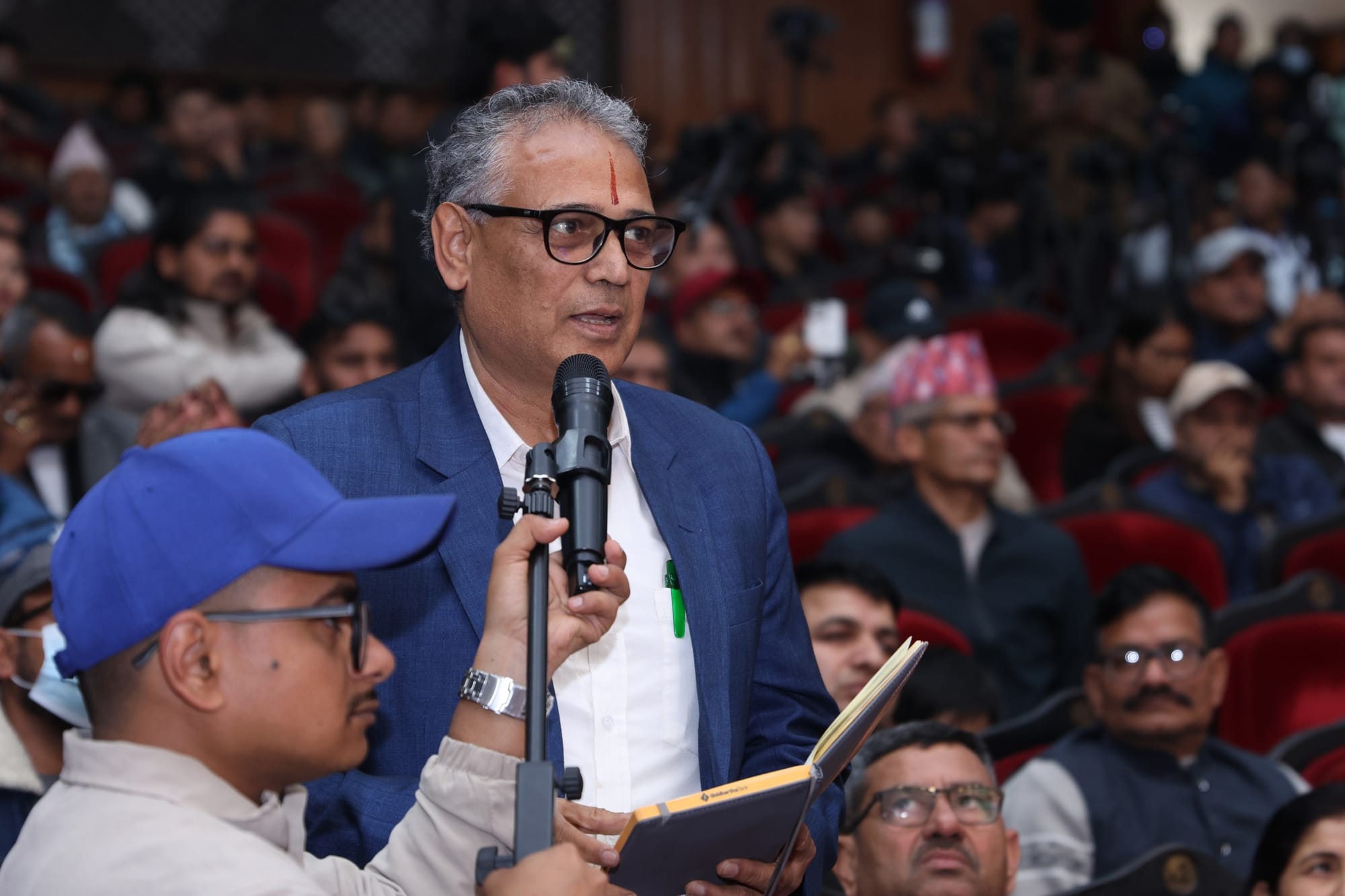
The new generation has completely transformed political practices. Using social media platforms like Facebook, Twitter, and YouTube, they directly inform the public, share their activities openly, and engage in direct dialogue, fostering an environment where citizens can question, seek answers, and stay connected with leaders. This strengthens a culture of transparency and accountability.
Young leaders bring fresh ideas and policies in fundamental areas like education, health, employment, and technology. While the older generation relied on limited experience, the new generation studies global best practices to propose practical, scientific, and progressive policies.
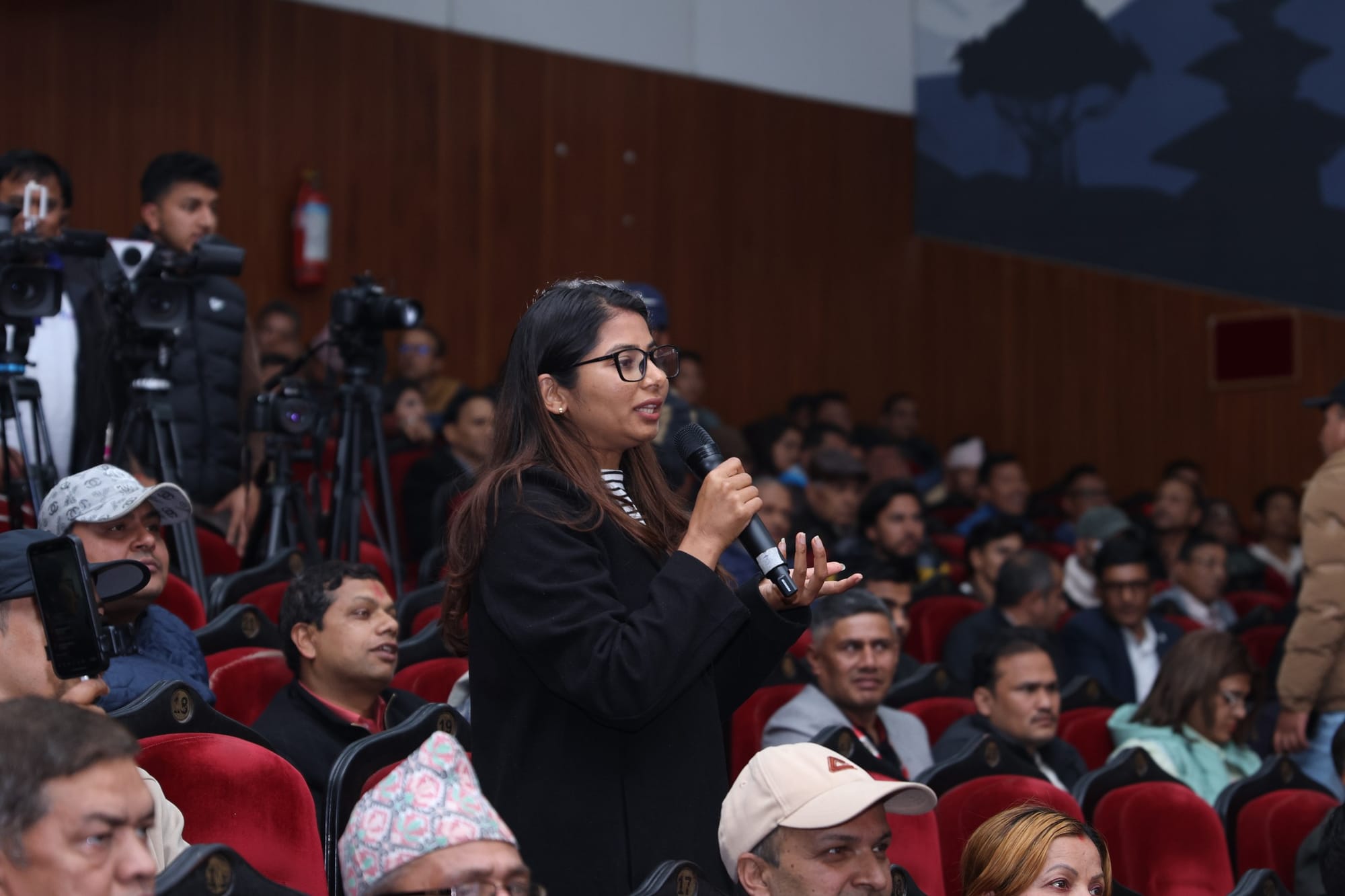
In this transformative process, the role of leaders like General Secretary Thapa is crucial, as they help make political decisions timely and people-centered.
Another key strength of youth leaders is their direct engagement with citizens. Thapa’s people-centered approach involves visiting villages, participating in street meetings, and holding open discussions to listen to public concerns directly, connecting politics with real-life citizen issues.
Personalities like Thapa instill hope and trust in frustrated or dissatisfied citizens. When youth are entrusted with leadership, it brightens the country’s future, and Thapa serves as a reliable example of this.
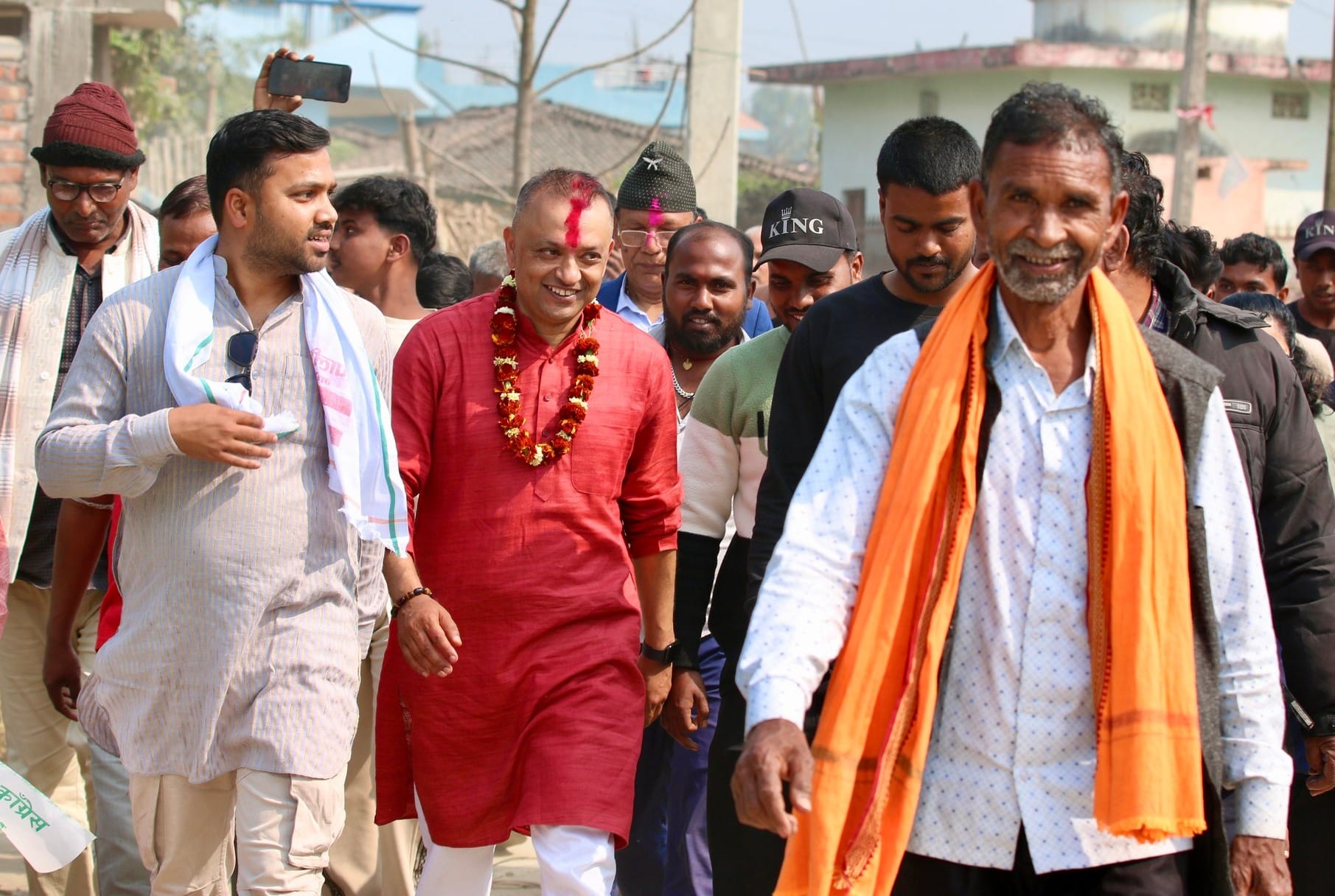
The rise of youth in politics is restoring transparency, innovative thinking, direct citizen engagement, and hope, advancing Nepali politics to a new phase. Society and the nation have high expectations of today’s youth.
Youth leadership can reduce the need for Nepalis to migrate abroad for employment. Young leaders can play a key role in promoting entrepreneurship, skill-based training, agricultural modernization, and creating technology-friendly environments.
The public expects young political entrants to achieve reforms that previous generations could not. Leaders like Thapa exemplify this vision, continuously emphasizing that politics is a service-oriented profession, not a business.
Thapa advocates that lawmakers spending public tax money must remain accountable to the people. Politics must remain service-driven, not commercialized, to ensure nation-building.
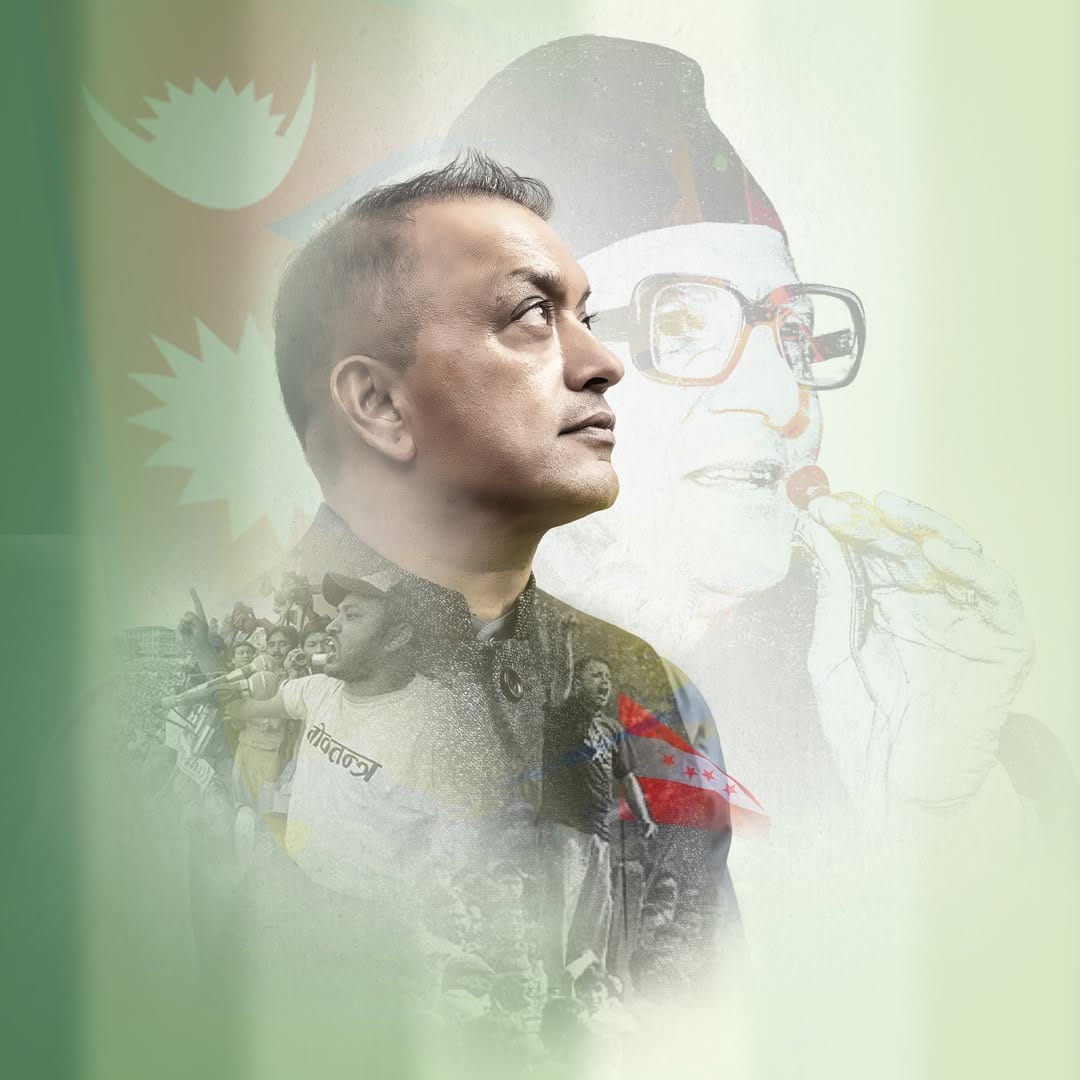
He consistently calls on youth to enter politics, believing that instead of staying on the sidelines, active participation is necessary to drive reforms.
Nepal’s political journey is challenging, but the rise and active engagement of the youth bring optimism. Leaders like General Secretary Thapa have already demonstrated the potential of youth leadership.
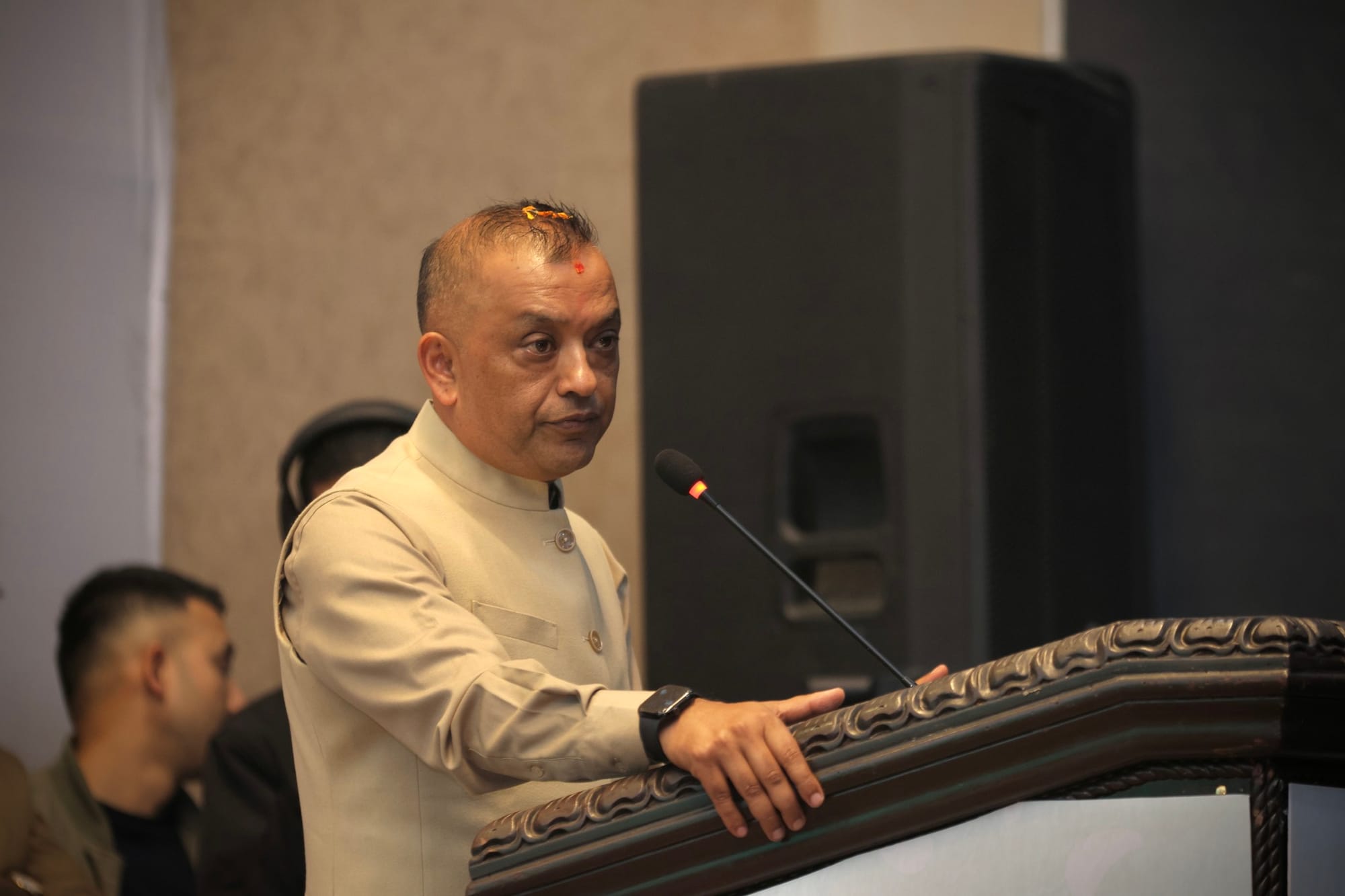
When young leaders participate in politics, they bring transparency, accountability, innovation, and people-centered programs, strengthening democracy and accelerating the nation’s overall development. In Nepal, only through youth-driven politics can good governance, anti-corruption efforts, employment generation, and a just society become achievable.
Therefore, the entry of youth into politics should be viewed positively. The emergence of reliable leaders like General Secretary Thapa represents hope and potential for a new Nepal, signaling a new dimension for political transformation in the country.