Rai Bahadur Mohan Singh Oberoi: A Timeless Role Model for Hospitality Leaders
Working at The Cecil Hotel introduced Oberoi to the complex world of hotel operations. During the colonial era, most prestigious hotels in India were managed by British owners.

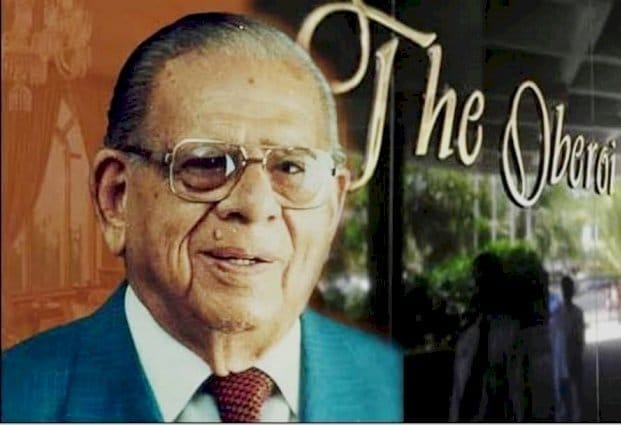
Rai Bahadur Mohan Singh Oberoi was not born into wealth, privilege, or business legacy. He was born in 1898 in undivided India during a time of social and economic uncertainty. His childhood was marked by hardship, especially after the early death of his father. Financial instability shaped his early years and forced him to confront life’s realities much sooner than most young boys. There were no safety nets, no influential networks, and no inheritance waiting for him. What he possessed instead was quiet determination and an unshakable will to improve his circumstances.
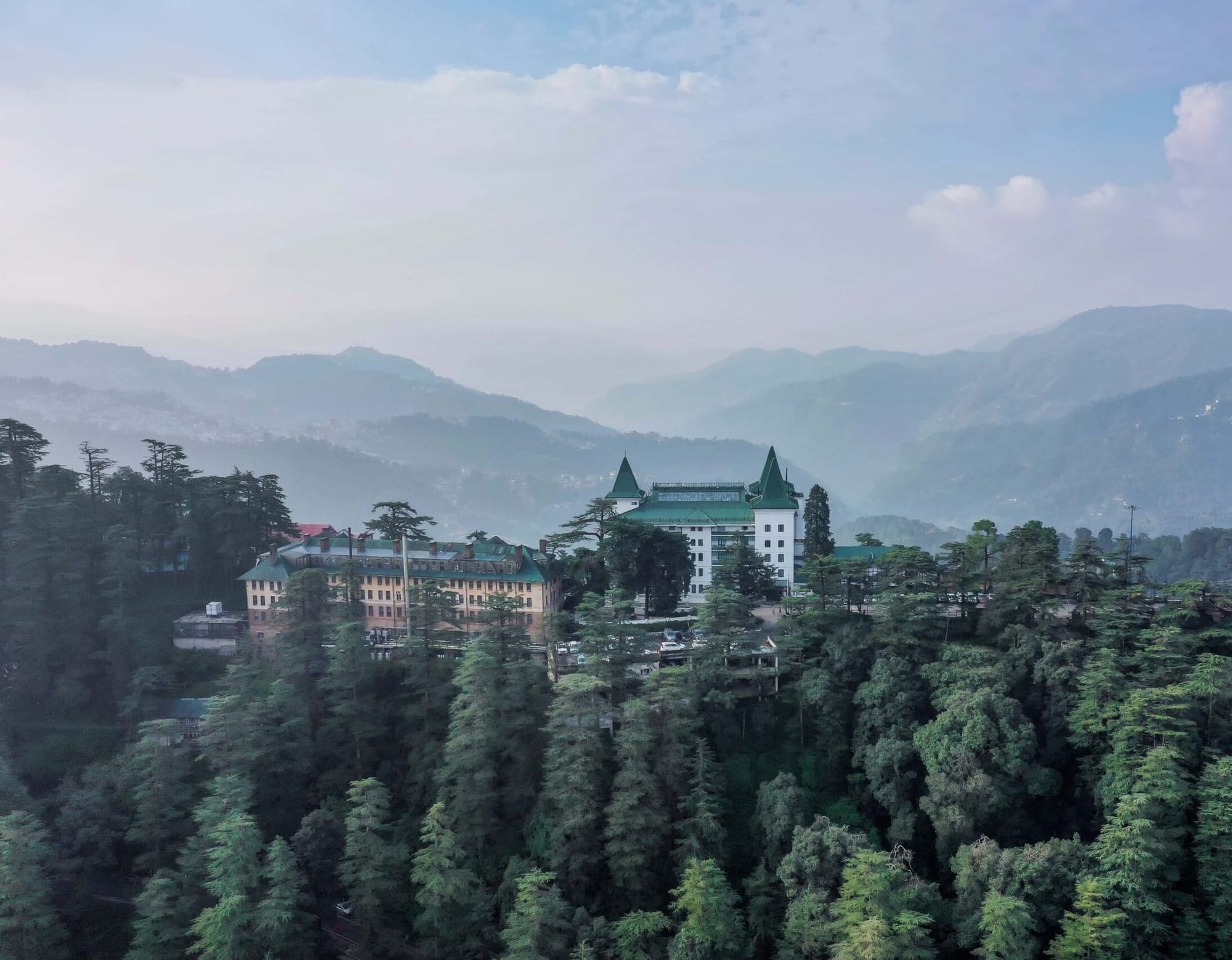
In search of employment, he eventually found work at The Cecil Hotel in Shimla. His position was modest. He worked as a clerk, handling routine administrative tasks. For many, such a role would have been nothing more than a job to survive. But for Mohan Singh Oberoi, it became the foundation of a vision that would later redefine Indian hospitality. He observed everything around him with intense curiosity. He studied how guests were greeted, how rooms were prepared, how managers handled complaints, and how accounts were balanced. Even in a junior position, he treated the hotel as a living classroom.
Learning the Art and Science of Hospitality
Working at The Cecil Hotel introduced Oberoi to the complex world of hotel operations. During the colonial era, most prestigious hotels in India were managed by British owners. Standards were rigid, hierarchy was strict, and opportunities for Indians were limited. Yet instead of feeling discouraged, Oberoi absorbed knowledge silently and persistently. He understood that hospitality was not simply about providing accommodation. It was about creating experiences that guests would remember.
He developed a deep respect for discipline, presentation, and service consistency. He realized that true luxury did not come from decoration alone but from precision in execution. A clean corridor, a properly ironed uniform, a polite greeting, and a swift solution to a guest’s problem were the real pillars of excellence. This understanding shaped his future philosophy. He did not rush his growth. He allowed himself to learn every aspect of the hotel business, building a foundation that would later support a vast empire.
The Courage to Build Something of His Own
As years passed, Mohan Singh Oberoi began to see opportunities where others saw limitations. The idea that an Indian entrepreneur could own and operate luxury hotels during British rule was bold and almost unimaginable. But Oberoi was not driven by fear. He was driven by belief. Through persistence, calculated risks, and tireless work, he gradually moved from employee to entrepreneur.
In 1934, he established what would later become The Oberoi Group. This was not merely a business expansion; it was the birth of a new chapter in Indian hospitality. His vision was clear. He wanted to create hotels that could compete with the finest in the world. He wanted Indian hospitality to stand proudly on the global stage. He refused to compromise on standards, even when resources were limited. Every decision he made was guided by long-term reputation rather than short-term profit.
Establishing a Culture of Excellence
As his portfolio of hotels grew, Oberoi remained deeply involved in operations. He paid attention to details that others often ignored. He believed that leadership meant understanding the smallest aspects of the business. He insisted on immaculate cleanliness, professional grooming, respectful communication, and emotional intelligence in guest interactions. Staff members were trained not only to perform tasks but to understand the philosophy behind them.
He understood that a hotel’s strength lies in its people. This belief eventually led to the creation of the Oberoi Centre of Learning and Development, one of the most respected hospitality training institutions in Asia. Through structured programs, young professionals were molded into leaders who carried forward the Oberoi standards. This investment in human capital ensured that the brand’s excellence would continue beyond his lifetime.


Under his leadership, Oberoi hotels earned international recognition. Properties like The Oberoi Grand in Kolkata became symbols of elegance and refinement. His hotels attracted global travelers who sought consistent luxury and personalized service. At a time when India was still emerging economically, Oberoi demonstrated that Indian enterprises could achieve world-class standards.
Global Expansion and Recognition
Mohan Singh Oberoi’s ambition did not stop at national borders. He believed that Indian hospitality deserved global recognition. As his hotels expanded internationally, they competed with established global brands and earned respect for their service culture. His leadership transformed The Oberoi Group into a name associated with trust, quality, and timeless sophistication.
Throughout his long life, which extended beyond a century, he witnessed dramatic changes in the hospitality industry. Yet he adapted without losing his core principles. Even as modern management techniques evolved, his commitment to discipline and service excellence remained constant. His life became an embodiment of resilience and adaptability.
A Legacy That Inspires Generations
Rai Bahadur Mohan Singh Oberoi lived to the age of 103, leaving behind not just hotels but a philosophy. His journey from a modest clerk to the founder of a global luxury brand continues to inspire hotel management students across the world. His story proves that beginnings do not determine destiny. What matters is the willingness to learn, the courage to dream, and the discipline to execute consistently.

For future hoteliers, his life carries powerful meaning. It shows that success in hospitality is not built overnight. It requires patience, observation, training, and integrity. It requires respect for guests and for employees. It requires leadership that serves before it commands. Oberoi’s achievements were not accidents of luck; they were the result of deliberate effort sustained over decades.
Conclusion
The life of Rai Bahadur Mohan Singh Oberoi is a timeless example of how vision and perseverance can transform industries. He rose from financial hardship to become one of the most respected figures in global hospitality. His journey teaches that luxury is built on discipline, that reputation is built on consistency, and that leadership is built on character.
For every aspiring hotelier standing at the beginning of their career, his story offers reassurance and motivation. No matter how small the starting point, dedication and excellence can build empires. The legacy of Mohan Singh Oberoi continues to shine as a guiding light for anyone who dreams of making a mark in the world of hospitality.