How to Become a Great Chef?
In reality, great food often requires fewer ingredients, but better understanding. Adding too many spices, sauces, and garnishes can confuse the dish. It can hide the natural character of the main ingredient.


Becoming a great chef is not about fame, social media recognition, or wearing a tall hat in a luxury hotel. It is about discipline, taste, creativity, responsibility, and deep respect for ingredients. A great chef understands that cooking is not just a job. It is a profession built on trust, precision, and continuous self-improvement. Anyone can follow a recipe, but not everyone can become a chef.
A recipe gives instructions. A chef gives direction. A recipe tells you what to do. A chef understands why it must be done that way. The journey to becoming great begins with mastering the fundamentals and building a mindset that values excellence over shortcuts.
The first and most important skill a chef must develop is the ability to taste properly. Tasting is not simply putting food in the mouth and deciding whether it is good or bad. Tasting is analysis. It is awareness. It is understanding balance. A chef must recognize sweetness, saltiness, sourness, bitterness, and umami, and must understand how these elements interact.

If a dish tastes flat, perhaps it needs acidity. If it tastes too sharp, maybe it needs fat. If it feels heavy, perhaps a touch of freshness will lift it. Great chefs taste constantly. They taste before cooking, during cooking, and before serving. They train their palate like an athlete trains muscles. Over time, they develop sensitivity that allows them to detect even small imbalances. This sensitivity becomes their compass in the kitchen.
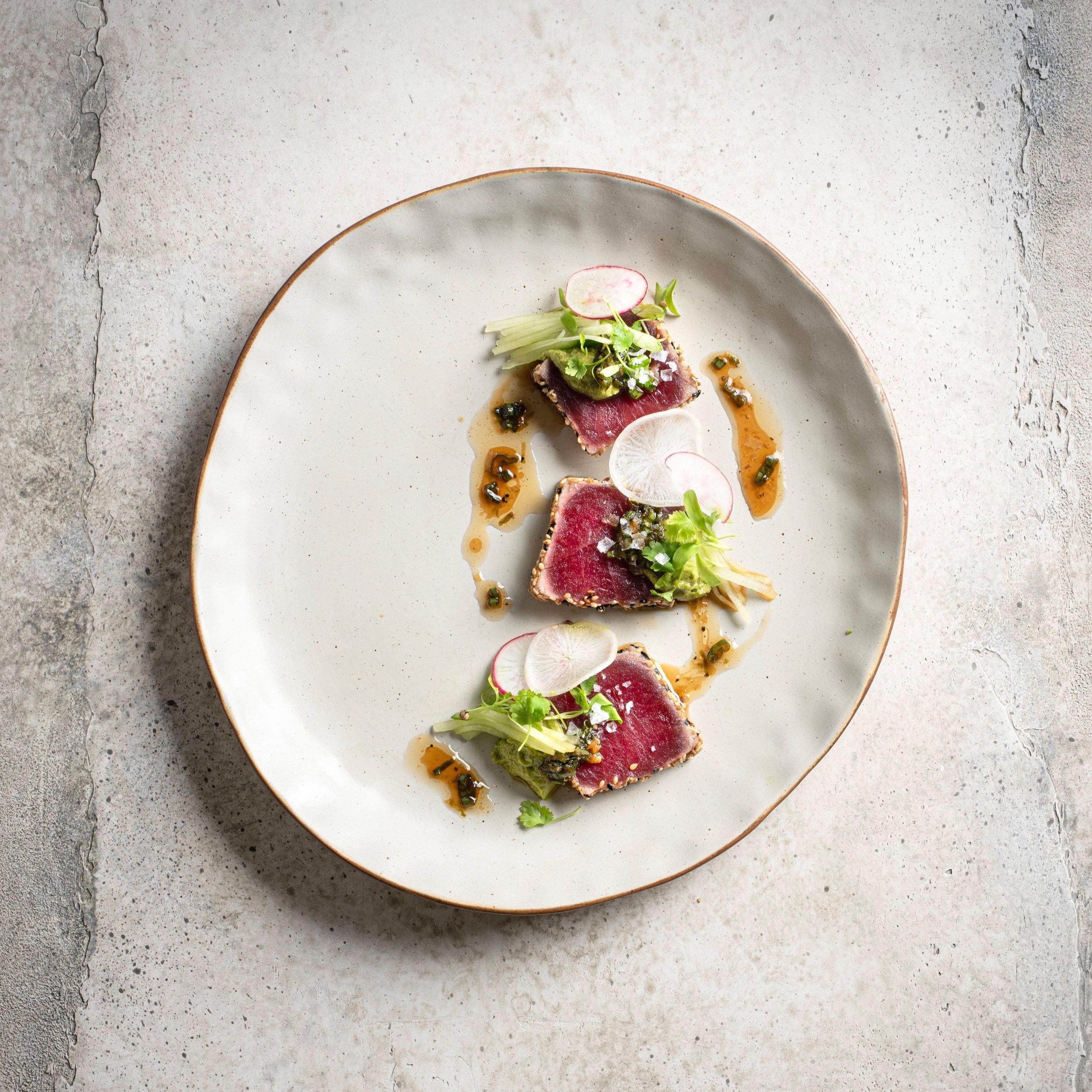
One of the biggest misconceptions in cooking is that great food requires many ingredients. In reality, great food often requires fewer ingredients, but better understanding. Adding too many spices, sauces, and garnishes can confuse the dish. It can hide the natural character of the main ingredient. A great chef knows that essential ingredients are enough when they are used with precision. Simplicity is not weakness.
Simplicity is confidence. A perfectly cooked piece of fish with salt, lemon, and herbs can be extraordinary. Fresh vegetables sautéed correctly with balanced seasoning can be memorable. The goal is not to impress with quantity. The goal is to impress with quality and clarity. Knowing what not to add is just as important as knowing what to add.

In professional kitchens, there is a saying: when you cook, you must kill. This phrase does not simply refer to preparing meat. It refers to eliminating doubt and hesitation. Cooking requires commitment. When you decide to grill, you must control the heat with confidence. When you season, you must do so with intention. If you hesitate, food overcooks.
If you are distracted, food burns. If you lack focus, mistakes multiply. To cook at a high level means to eliminate carelessness. It means taking responsibility for every action. Once an ingredient is placed on the cutting board, it must be respected. Waste is unacceptable. Carelessness is unacceptable. Discipline is non-negotiable. Commitment is visible in the final result.
The white uniform worn by chefs carries powerful meaning. Just like doctors and pilots wear uniforms that symbolize trust and professionalism, chefs wear white to represent cleanliness, responsibility, and authority. White shows stains immediately.
This forces hygiene and awareness. A chef cannot hide carelessness behind dark clothing. White demands discipline. It reminds the chef that guests are placing trust in their hands. Food directly affects health. It nourishes the body. It can also cause harm if standards are ignored. Wearing white is a silent promise to maintain cleanliness and integrity. It is also a symbol of equality and honor in the profession. The uniform is earned through training, burns, cuts, long hours, and persistence. It represents accountability.
Discipline forms the backbone of greatness in the kitchen. Cooking professionally is physically demanding. It involves standing for long hours, working in high temperatures, and performing under pressure. Without discipline, consistency is impossible. A great chef maintains organized workstations, sharp knives, clean surfaces, and proper storage.
They prepare before service begins. Mise en place, which means everything in its place, is not optional. It is essential. Preparation determines performance. During service, there is no time for confusion. Precision must already be built into habits. Discipline also includes punctuality, respect for hierarchy, and commitment to standards even when supervision is absent.
Creativity plays a crucial role in becoming great, but creativity must serve purpose. A chef is an artist, but the canvas is edible. Colors, textures, and shapes matter. Food is first eaten with the eyes. However, presentation must never overpower taste. Beautiful food that lacks flavor fails.
Simple food that tastes extraordinary succeeds. Creativity should enhance the dining experience, not distract from it. Combining crunchy with smooth, hot with cold, sweet with salty, creates interest and depth. Innovation requires courage. Not every experiment succeeds. Failure is part of growth. Each unsuccessful dish teaches refinement.

Leadership separates chefs from cooks. In professional kitchens, teamwork determines success. A chef must guide the team, maintain calm during busy service, and communicate clearly. Stress is inevitable. Orders arrive quickly. Mistakes happen.
The chef must remain steady. Panic spreads quickly in a kitchen. Confidence also spreads quickly. Strong leadership builds trust among team members. A great chef corrects errors without humiliation. They teach, mentor, and inspire. They understand that the performance of the team reflects their own leadership. Authority does not mean aggression. Authority means control and clarity.
Continuous learning is essential in the culinary world. Techniques evolve. Guest expectations change. Global flavors influence local menus. A great chef remains a student throughout life. They observe, travel, read, and taste widely. Inspiration can come from fine dining restaurants or street vendors. Every culture offers lessons in flavor and technique. Humility keeps growth alive. Arrogance limits development. The moment a chef believes they know everything is the moment they stop improving.
Mental strength is equally important. The path is not easy. There will be criticism, exhaustion, failed dishes, and intense pressure. Kitchens are not comfortable environments. They are fast, loud, and demanding. Only those who love the craft endure these conditions long term. Passion fuels resilience. When motivation weakens, discipline must carry you forward. Each challenge becomes an opportunity to improve. Burned dishes teach timing. Over-seasoned sauces teach balance. Mistakes are teachers disguised as failures.
Hospitality is at the heart of being a chef. Food is not just fuel. It is connection. Guests may be celebrating important moments in their lives. A wedding anniversary, a promotion, a reunion, a farewell dinner. The food served becomes part of memory. This responsibility should never be taken lightly. A great chef understands that their work influences emotions. Respect for guests creates higher standards. Cooking is not about ego. It is about service.
Ultimately, becoming a great chef is about character. Skills can be taught. Techniques can be practiced. But integrity must be chosen. A great chef respects ingredients, respects time, respects guests, and respects the uniform.
They value simplicity, master taste, commit fully when cooking, and continue learning throughout their career. They understand that the white coat symbolizes trust. They lead with calm strength. They create with intention. They maintain standards even when no one is watching.

Greatness in the kitchen is not achieved in months. It takes years of repetition, reflection, correction, and perseverance. It is built through early mornings, late nights, and countless adjustments.
It is shaped by humility and strengthened by passion. When your food speaks clearly without unnecessary decoration, when guests trust your consistency, when your team respects your leadership, and when you wear white with pride and responsibility, then you are not just cooking. You are becoming a great chef.