How Nepal Can Attract International Conferences and Events
Hotels and venues must also prioritize safety and health. 24/7 on-site medical assistance, emergency protocols, and clear communication systems create a sense of security.

“Hosting a conference is not just about a venue; it is about creating an experience that delegates will remember long after they leave.”
Introduction: A New Horizon Beyond Tourism
Nepal is often celebrated for its majestic mountains, rich culture, and spiritual heritage, attracting tourists from around the globe. Yet, beneath its reputation as a leisure destination lies an enormous, largely untapped potential: hosting international conferences, summits, and professional events. The country offers a unique combination of natural beauty, cultural richness, and emerging modern infrastructure, positioning it as a destination capable of delivering world-class professional experiences.
International conferences are no longer about booking a hall or a hotel. They are about creating an entire ecosystem where delegates feel welcomed, inspired, and supported at every step of their journey. From the moment they land at the airport to the time they depart, delegates’ impressions of the country are shaped by hospitality, efficiency, guidance, and cultural authenticity. For Nepal, developing this ecosystem could stimulate economic growth, increase global visibility, and establish the country as a serious player in the MICE (Meetings, Incentives, Conferences, and Exhibitions) industry.
The First Impression: Hospitality from the Airport
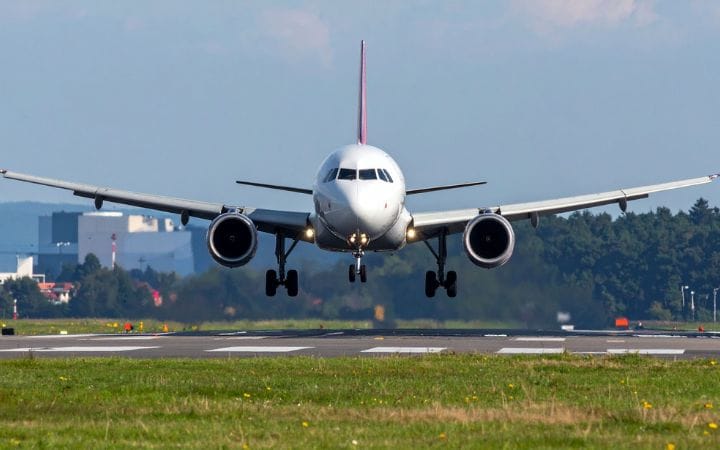
The journey of an international conference delegate begins the moment they arrive in Nepal. Tribhuvan International Airport in Kathmandu, along with emerging regional airports like Pokhara International, represent the first opportunity for Nepal to demonstrate professional hospitality.
Professional conference hosting should begin with streamlined immigration and customs processes. Delegates attending global events expect priority clearance, pre-arranged visas, and clear, fast customs procedures. Simple measures, such as dedicated conference counters, reduce waiting times and convey efficiency. Multilingual greeters at the airport, equipped with delegate lists and schedules, provide guidance, assist with luggage, and answer initial queries, ensuring that visitors feel welcomed and valued from the first moment.
Transportation from the airport to hotels must be seamless. Pre-booked shuttles or private vehicles equipped with GPS tracking ensure safety, reliability, and punctuality. Delegates should receive real-time updates via mobile apps or hotel notifications, confirming arrival details and estimated travel times. These initial interactions set the tone for the rest of their stay, demonstrating professionalism, attentiveness, and respect for their time.
“The first impression begins at the airport; professionalism and warmth at arrival define the perception of an entire country.”
Arrival at Hotels: Balancing Culture with Professionalism
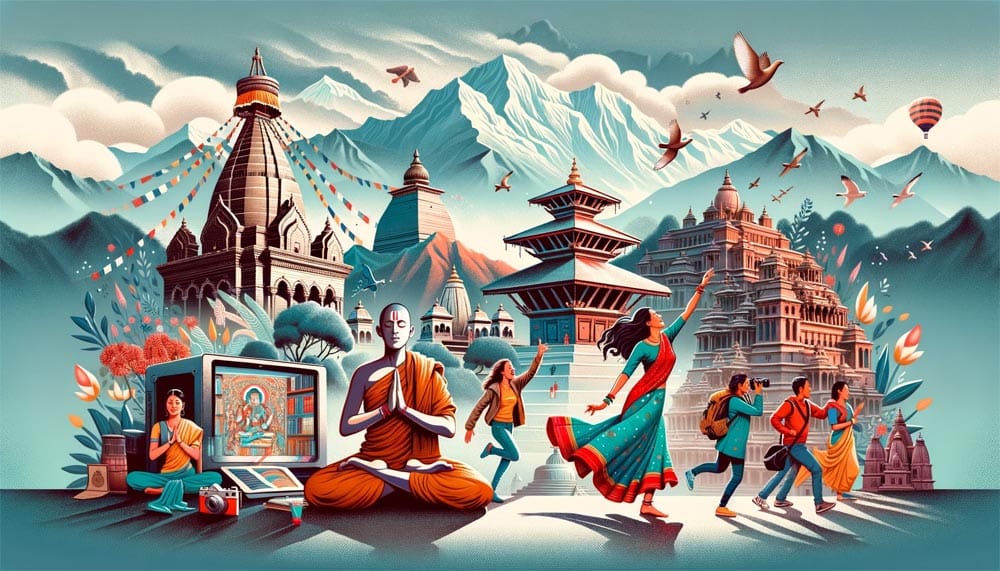
Upon arrival at the hotel or conference venue, Nepal has an opportunity to blend traditional hospitality with modern professionalism. Imagine a delegate stepping into a hotel lobby: greeted with a traditional Nepali welcome ceremony, a tika or khada scarf, and flowers, yet immediately experiencing efficient check-in procedures via digital kiosks or mobile apps. This combination of authentic cultural warmth and operational efficiency creates a memorable first impression that is difficult for delegates to forget.
Personalized service plays a crucial role. Staff trained in professional hospitality etiquette should be prepared to assist delegates with room orientation, schedules, and conference details. Multilingual reception and concierge services provide both convenience and comfort, making delegates feel understood and respected. From the first moment, the attention to detail, from greeting to check-in, sets Nepal apart as a country capable of hosting high-profile international events.
“Cultural warmth combined with efficient service is the secret to leaving a lasting impression.”
Conference Venues: Creating World-Class Experiences
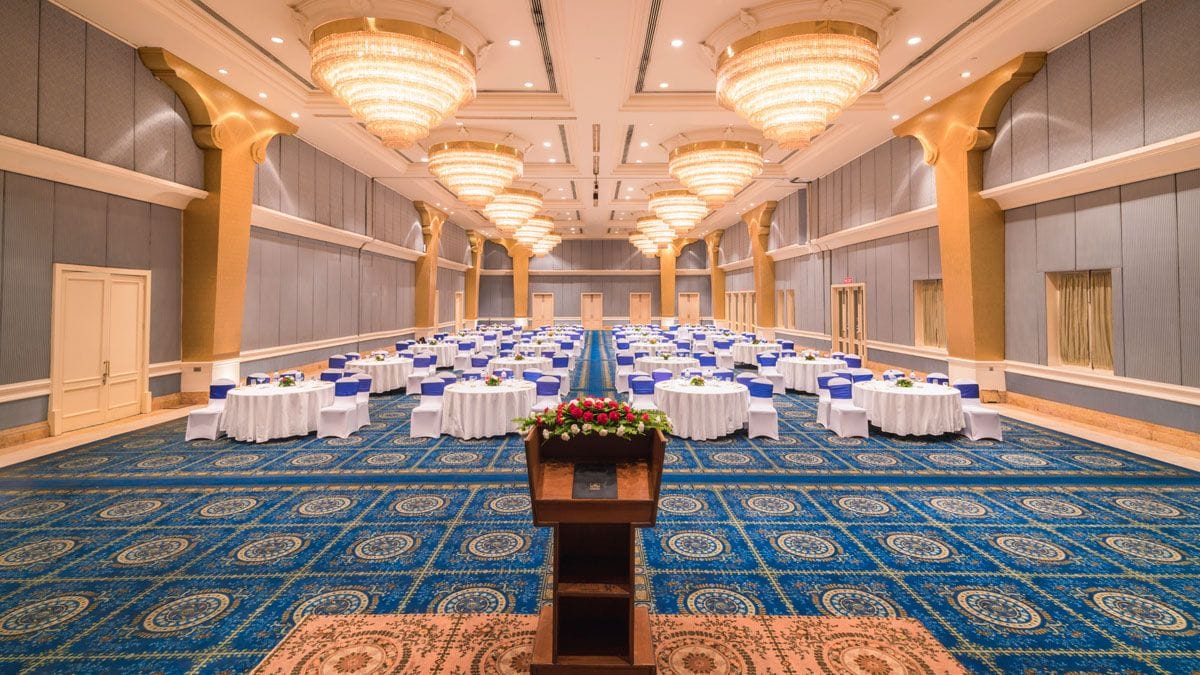
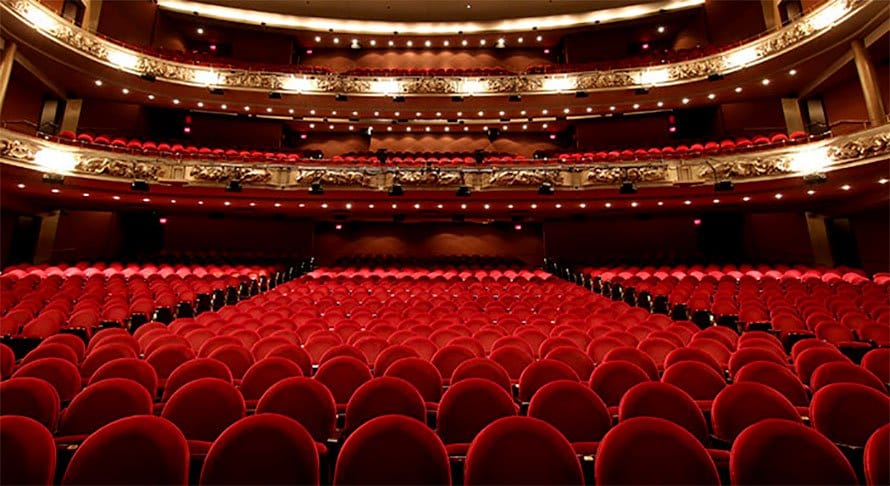
The heart of any international event lies in the quality of its conference facilities. Nepal can attract global conferences by offering state-of-the-art venues that combine functionality, aesthetics, and comfort. Large auditoriums equipped with advanced audiovisual systems, simultaneous translation facilities, comfortable seating, and hybrid event capabilities ensure that delegates’ professional needs are fully met.
Breakout rooms for workshops, panels, and smaller discussions are essential, with high-speed internet, interactive screens, and proper lighting. Digital signage throughout venues provides navigation and schedules, reducing confusion and keeping delegates engaged. Accessibility must be a priority, with ramps, elevators, and seating arrangements for delegates with special needs, reflecting Nepal’s commitment to inclusive professionalism.
“World-class facilities are meaningless without a culture of attentive service and meticulous planning.”
Hospitality During the Conference: Beyond the Event Hall
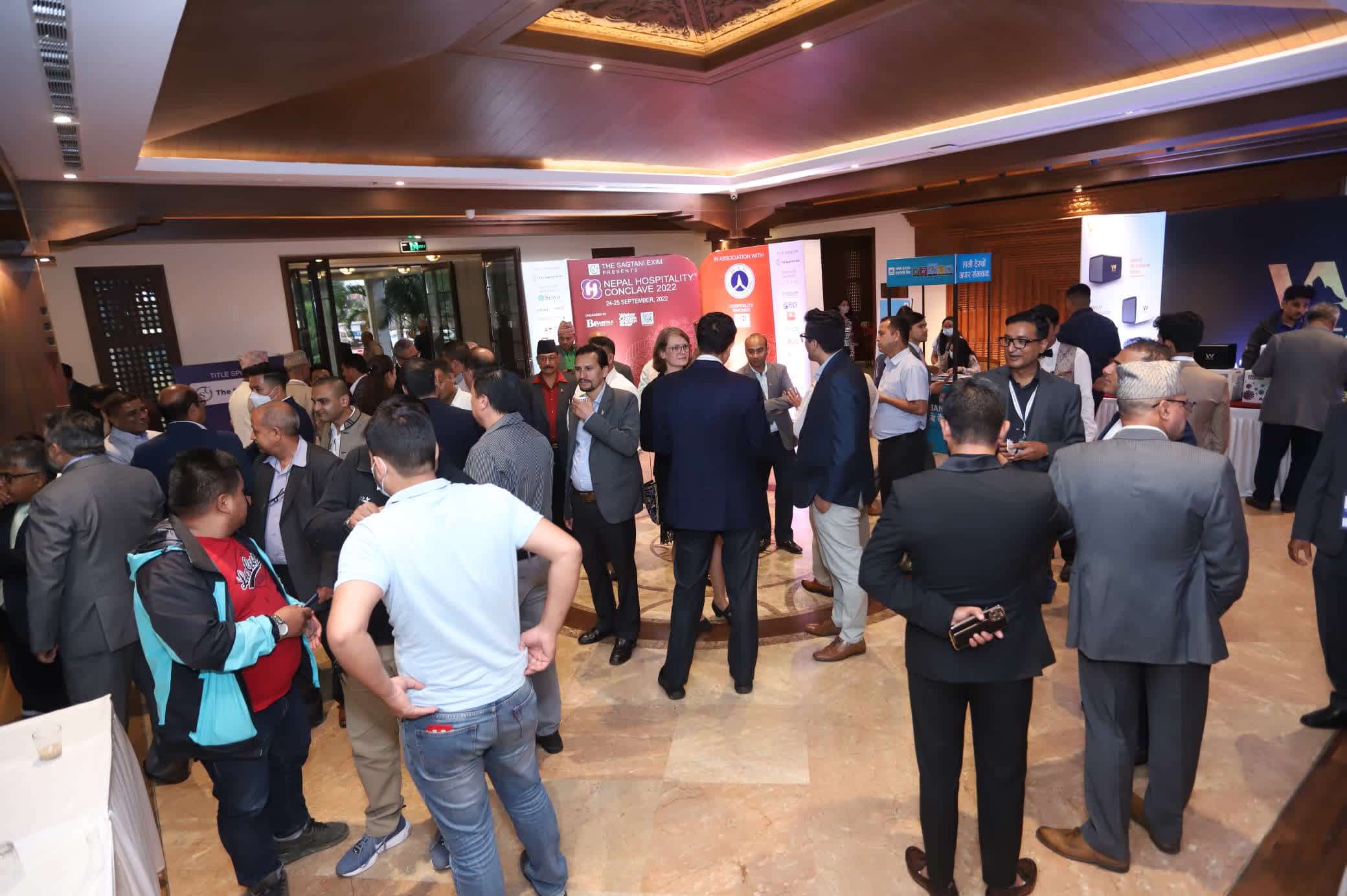
Professional hospitality extends far beyond the conference hall. International delegates often judge a destination by the quality of their overall experience, including meals, accommodations, cultural engagement, and leisure.
Catering services must accommodate diverse dietary needs, vegetarian, vegan, halal, and gluten-free, while integrating local flavors to provide authentic Nepali culinary experiences. Flexible meal times aligned with conference schedules, efficient room service, and mobile-based ordering systems ensure convenience and satisfaction.
Cultural immersion programs can elevate the experience further. Delegates can attend traditional music and dance performances, explore heritage sites in Kathmandu, Patan, and Bhaktapur, or participate in short wellness sessions featuring yoga or meditation. These activities make conferences more than professional obligations; they become memorable life experiences.
Hotels and venues must also prioritize safety and health. 24/7 on-site medical assistance, emergency protocols, and clear communication systems create a sense of security. With global travelers increasingly aware of health risks, maintaining professional hygiene and compliance with international standards becomes essential.
“A guest remembers not only what they see, but how they feel during every meal, meeting, and interaction.”
Leveraging Technology: Efficient and Connected Experiences
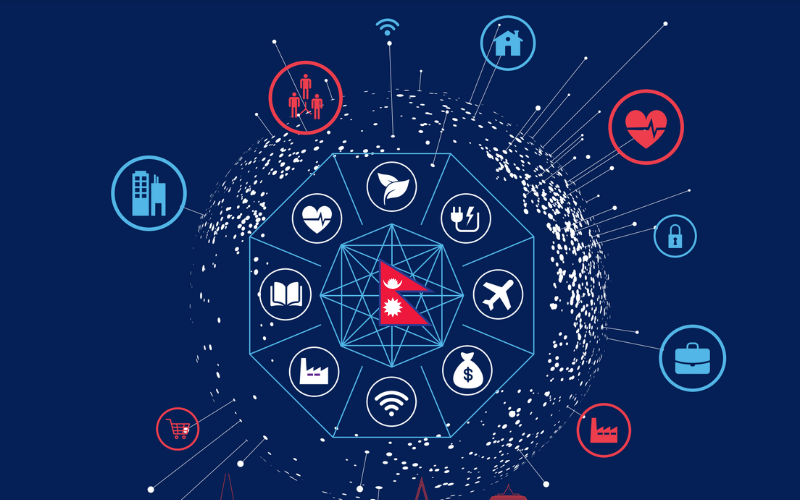
Technology can transform Nepal’s conference hosting capabilities, ensuring efficiency, professionalism, and global competitiveness.
Conference apps provide digital schedules, interactive maps, live polling, session notifications, and networking tools. Delegates can easily navigate the venue, manage personal schedules, and connect with peers worldwide.
Hybrid capabilities, such as live streaming sessions and virtual Q&A platforms, allow participation from remote attendees, extending Nepal’s reach to global audiences. AI-based chatbots can assist delegates in real-time, providing information on schedules, dining, transportation, and local guidance.
Data analytics tools enable organizers to collect feedback, monitor engagement, and make data-driven improvements for future events. By integrating technology seamlessly, Nepal can offer experiences on par with top international conference destinations.
“Technology should serve humanity, not replace it; in conferences, it must simplify, connect, and inspire.”
Local Guidance and Experiential Support
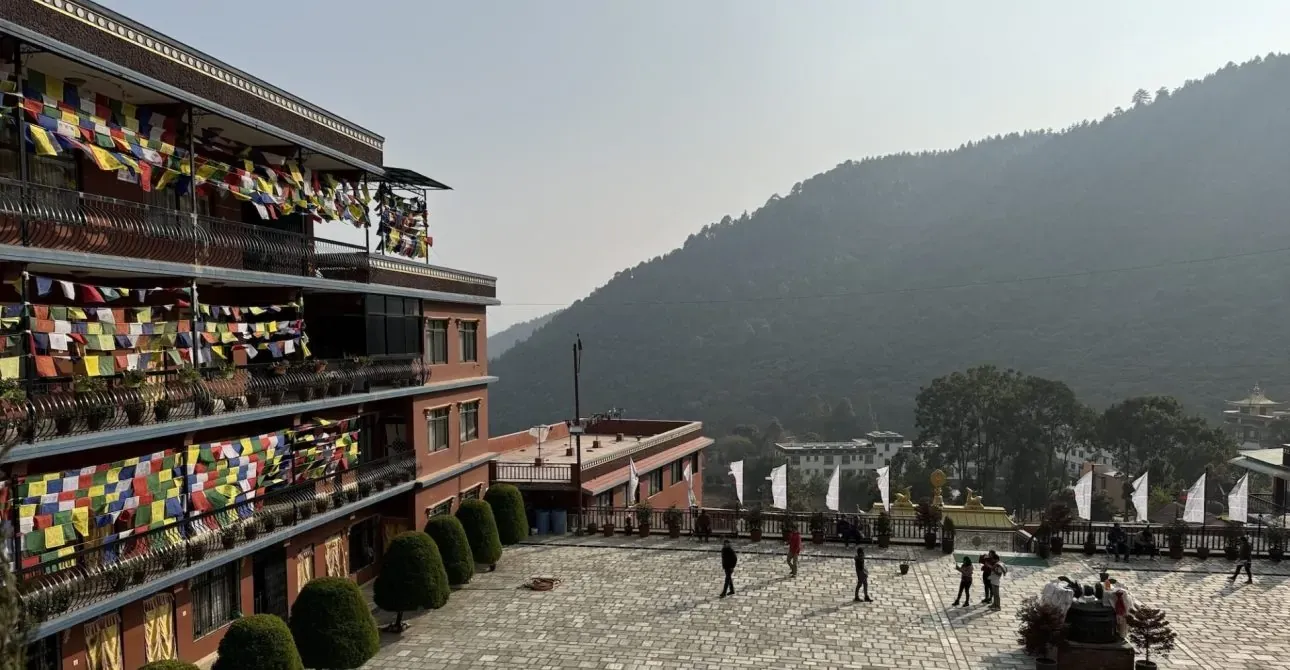
Nepal’s unique advantage lies in its ability to provide personalized local guidance, enriching professional events with cultural and natural immersion. Dedicated guides can accompany delegates during offsite tours, explaining cultural traditions, festivals, and local customs. Adventure or nature guides can safely lead short treks, nature walks, or wellness excursions, providing interpretive information about the environment and heritage.
Additionally, business-focused guidance is valuable. Local consultants can help delegates understand market trends, cultural business etiquette, and investment opportunities. This combination of professional, cultural, and natural guidance ensures that delegates leave with a deep understanding of Nepal, both as a country and as a professional destination.
“Guided by culture and nature, delegates discover a Nepal that textbooks cannot teach.”
Transportation and Logistics: Ensuring Seamless Mobility

Efficient transportation is a critical component of professional events. Dedicated shuttles should transport delegates between airports, hotels, conference venues, and offsite activities. GPS-enabled vehicles, real-time tracking, and trained drivers provide safety, convenience, and punctuality.
Well-marked signage in English and Nepali, clear directions at venues, and mobile app-based navigation tools enhance mobility. Delegates should never feel lost or uncertain about how to reach sessions, social events, or hotels. Seamless logistics reinforce confidence and professionalism, creating a positive perception of Nepal as a capable host nation.
“Seamless mobility is invisible service; when it works perfectly, no one notices, but everyone appreciates it.”
Marketing Nepal as a Conference Destination
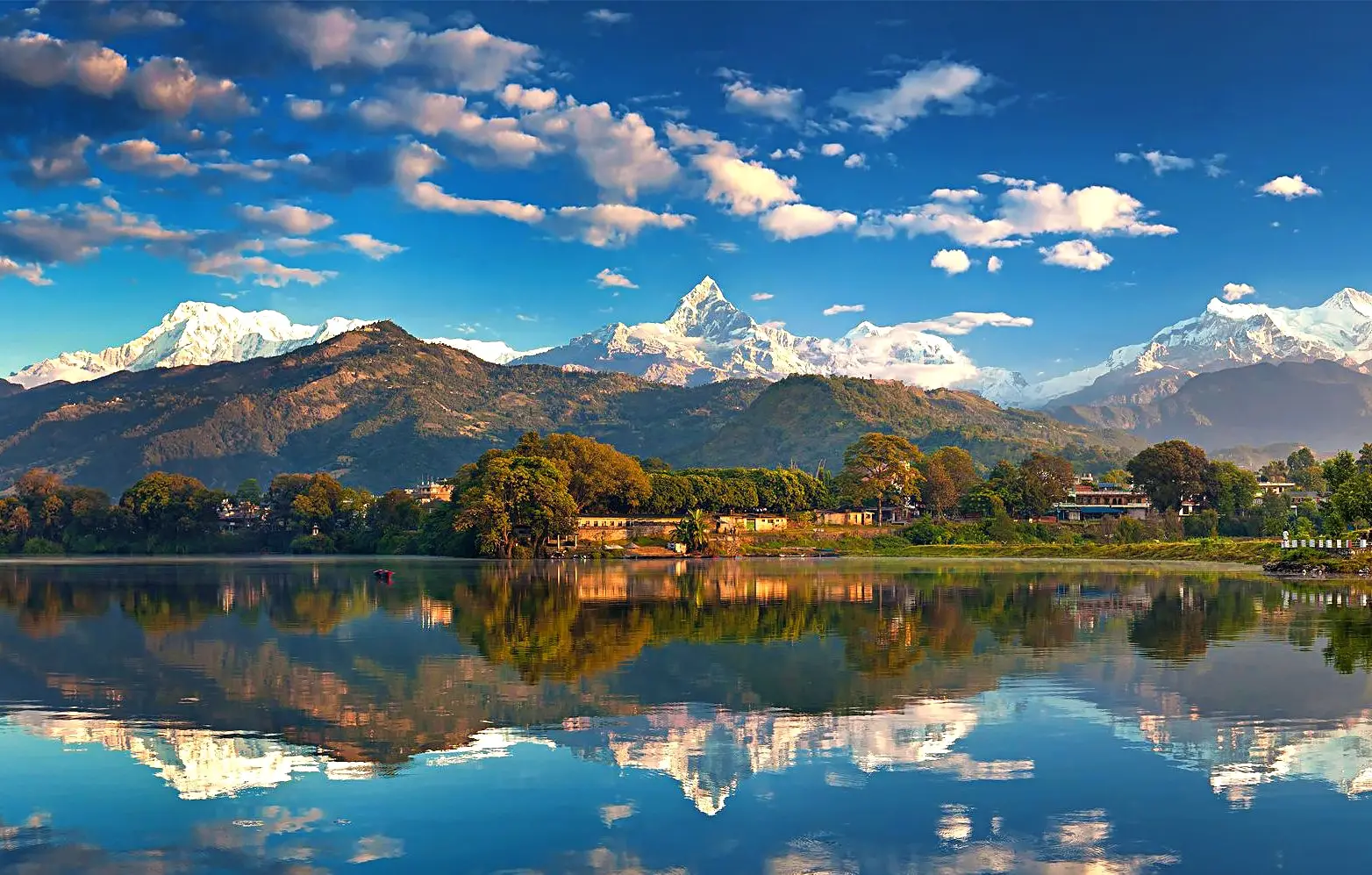
To attract high-profile international conferences, Nepal must actively promote itself as a professional MICE destination. Strategies include:
- Highlighting unique selling points: Himalayan landscapes, cultural richness, cost-effectiveness, and professional hospitality.
- Participation in international trade shows, tourism expos, and global business conferences.
- Strategic partnerships with international hotels, travel agencies, and corporate organizations.
- Offering incentives such as subsidized venue costs, logistical support, and promotional assistance.
- Building a strong global brand as a destination capable of professional, memorable, and culturally immersive conferences.
By marketing Nepal effectively, international organizations will perceive the country not just as a tourist attraction, but as a knowledge and business hub.
“Nepal is not just a destination; it is an experience waiting to be professionally discovered.”
Economic, Diplomatic, and Cultural Benefits
Hosting international conferences brings significant benefits to Nepal:
- Direct economic impact through hotel bookings, transportation, catering, and tourism.
- Strengthened international relationships and diplomatic engagement.
- Development of professional skills among local hospitality and event management personnel.
- Long-term tourism growth as delegates and participants explore Nepal beyond the conference.
Even a single well-executed conference can have a multiplier effect, generating revenue, exposure, and long-term partnerships.
Overcoming Challenges

For Nepal to fully realize this potential, several challenges must be addressed:
- Infrastructure: Upgrading roads, airports, and regional connectivity.
- Skilled workforce: Training staff in international event management, hospitality, and multilingual communication.
- Regulatory support: Simplifying visa processes, customs clearance for equipment, and event permits.
- Consistency: Maintaining high-quality service standards across hotels, venues, and transportation.
- Sustainability: Implementing green policies and environmentally responsible event practices.
By systematically addressing these areas, Nepal can emerge as a trusted and reliable host for recurring international events.
“Challenges are not barriers; they are opportunities to build systems that showcase Nepal’s professionalism to the world.”
Conclusion: Transforming Nepal Into a Global MICE Hub
Nepal has the foundation to become a world-class destination for international conferences and events. Its natural beauty, rich culture, emerging infrastructure, and deeply ingrained hospitality traditions position it uniquely in the global market.
The key is integration: combining professional hospitality, advanced technology, seamless logistics, personalized local guidance, and cultural immersion. When delegates experience Nepal from airport arrival to departure, welcomed with warmth, guided efficiently, inspired by local culture, and served professionally, the country transforms from a tourist destination into a global knowledge, networking, and professional hub.
With strategic planning, investment, and a focus on quality, safety, and innovation, Nepal can create a holistic conference experience that rivals the best in the world, ensuring economic growth, international recognition, and a lasting reputation for excellence.
Nepal is not just a land of mountains and culture, it can become a land of professional excellence, global collaboration, and unforgettable experiences.