How Can Training and Workshops Improve the Hospitality Industry?
Hospitality is a living industry. Guest expectations evolve constantly. Today’s guests compare services not only locally but internationally. Social media exposes standards from around the world. Travelers expect professionalism, safety, warmth, and efficiency, all delivered seamlessly.

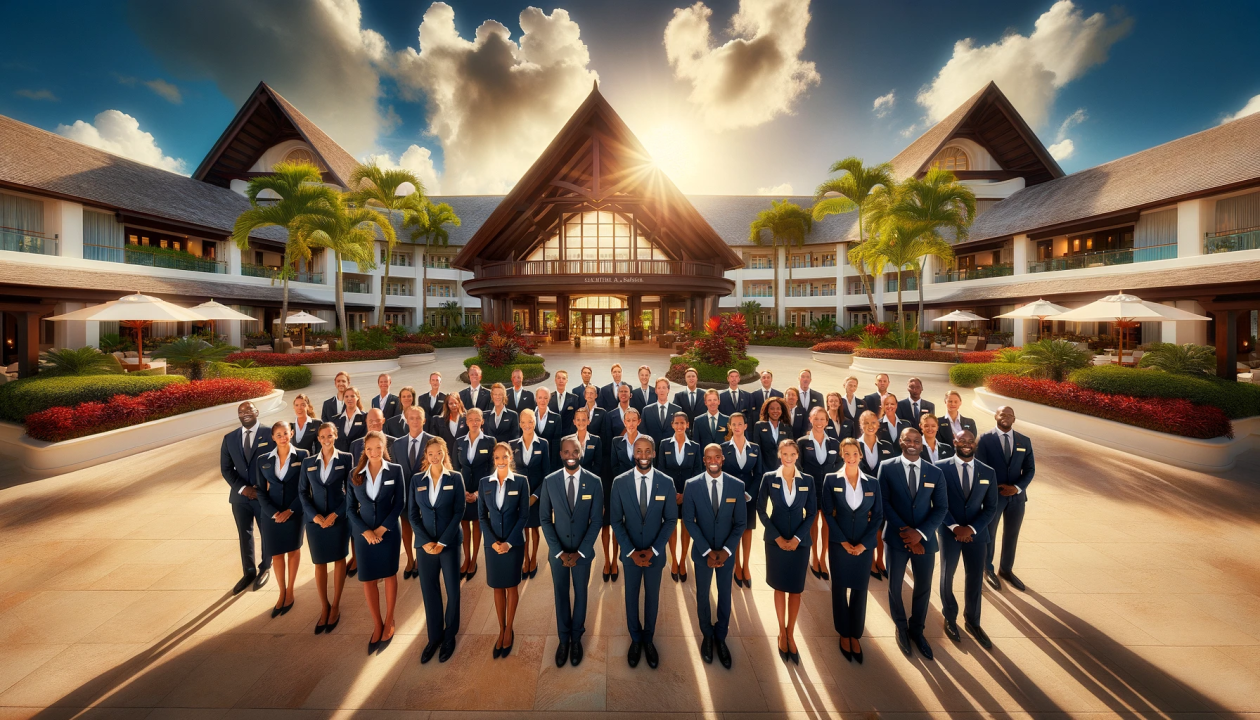
Nepal’s hospitality industry is growing rapidly. New hotels are opening, restaurants are becoming more innovative, tourism is expanding, and guest expectations are rising. However, behind this visible growth lies a silent weakness that continues to slow the industry’s true potential, the lack of structured training, professional development programs, and systematic staff briefing and debriefing culture.
Infrastructure is improving. Marketing strategies are evolving. But the most important element of hospitality, human performance, is not being developed with the same seriousness.
Hospitality is not simply about providing rooms, food, or service. It is about delivering consistent, refined, and professional experiences. And such consistency does not happen automatically. It is built through training, repetition, feedback, and structured development systems.
Without these systems, even the best-designed hotel or restaurant struggles to maintain excellence.
The Reality of the Training Gap
In many organizations within Nepal’s hospitality sector, training is often treated as a formality. New staff may receive a brief orientation about their duties, uniforms, and schedules, but ongoing professional development is rare. Once employees begin working, learning often stops.
This creates a cycle where staff members perform tasks repeatedly without refinement. They learn through trial and error rather than structured guidance. Mistakes are corrected informally instead of being analyzed and transformed into learning opportunities.
Over time, this leads to stagnation.
Employees may become experienced, but not necessarily skilled. They may become familiar with tasks, but not confident in handling unexpected situations. They may complete their responsibilities, but without the polish that defines professional hospitality. The difference between experience and expertise lies in structured development.
Why Training Must Be Continuous
Hospitality is a living industry. Guest expectations evolve constantly. Today’s guests compare services not only locally but internationally. Social media exposes standards from around the world. Travelers expect professionalism, safety, warmth, and efficiency, all delivered seamlessly. Without continuous training, staff members fall behind these expectations.
Training is not a one-time activity. It is a continuous cycle of learning, applying, evaluating, and improving. When organizations neglect this cycle, performance plateaus. Motivation declines. Standards become inconsistent. Continuous development ensures that professionals do not just maintain their current ability but consistently elevate it. It transforms routine workers into confident hospitality ambassadors.
The Importance of Professional Staff Briefing
One of the most overlooked yet powerful practices in professional hospitality is structured daily briefing.
In many Nepali establishments, staff begin their shifts without collective alignment. Information about important reservations, special guests, menu changes, operational adjustments, or event details may not be clearly communicated to everyone. This lack of communication leads to confusion, miscoordination, and avoidable service errors.
A professional briefing session sets the tone for the day. It creates clarity. It reinforces service standards. It reminds staff of their responsibilities. It aligns the entire team toward a common objective.
Briefing is not merely about sharing information. It is about reinforcing professionalism. It creates accountability and mental preparedness before service begins. When conducted consistently, briefing becomes part of the organizational culture, a daily ritual of alignment and discipline.
The Power of Debriefing and Reflection
Equally important is debriefing.
After service, teams rarely sit together to reflect on what occurred. Challenges may be forgotten, mistakes may be repeated, and successes may go unrecognized.
Debriefing transforms daily operations into learning laboratories. It allows teams to analyze guest feedback, review service flow, identify improvement areas, and acknowledge exceptional performance. Reflection builds awareness. Awareness builds improvement.
Without debriefing, growth becomes accidental. With debriefing, growth becomes intentional. Professional hospitality organizations worldwide use structured reflection as a key development tool. It strengthens teamwork and fosters a culture of continuous improvement.
Moving Toward Professional Culture
Nepal’s hospitality industry is rich in warmth and cultural authenticity. These are powerful strengths. However, warmth alone does not guarantee professionalism. Professional culture requires structure. It requires defined standards, measurable performance indicators, and clear expectations.
When training and development programs are integrated into organizational systems, professionalism becomes consistent rather than dependent on individual effort. Employees begin to understand not only what to do, but why they are doing it. They shift from completing tasks to delivering experiences.
Professional culture also strengthens discipline. When staff know that learning and performance evaluation are continuous, they approach their roles with greater responsibility. This environment creates accountability and pride.
Empowering Beginners and Students
The lack of development programs affects beginners the most. Students entering the hospitality industry often possess theoretical knowledge but limited practical exposure. Without structured workshops, simulations, and guided mentoring, they struggle with confidence.
They may hesitate while communicating with guests. They may feel anxious during high-pressure service hours. They may avoid leadership responsibilities because they fear making mistakes.
Training eliminates fear through preparation. When institutions and hotels invest in structured development, beginners gain clarity. They understand expectations. They practice scenarios. They receive feedback. Over time, hesitation transforms into confidence. A confident beginner becomes a competent professional faster.
Organizational Benefits of Structured Development
Institutions that prioritize training experience measurable benefits. Service consistency improves because standards are reinforced regularly. Guest complaints reduce because staff are better prepared to manage situations. Team coordination strengthens because communication channels become structured. Employee morale increases because growth opportunities exist.
Moreover, organizations that invest in their employees earn loyalty. Staff members feel valued when development programs are offered. This reduces turnover and enhances institutional stability. Training is not just about skill improvement; it is about creating long-term sustainability.
The Vision for Nepal’s Hospitality Future
Nepal has immense potential to become a global hospitality destination. The country offers natural beauty, cultural heritage, adventure tourism, and spiritual experiences that attract visitors from across the world.
To match this potential, internal systems must strengthen. Global standards require systematic training, structured briefing culture, performance evaluation systems, and leadership development pathways.
If Nepal’s hospitality sector embraces professional development as a core pillar rather than an optional addition, transformation will be significant.
Service will become more refined. Confidence levels will rise. International recognition will grow. The industry will not just expand in size, it will elevate in quality.
Final Reflection
Hospitality excellence is not created by buildings alone. It is created by people who are trained, prepared, and continuously developed. When these elements combine, hospitality moves from average to exceptional.
For Nepal’s hospitality industry to compete globally, training and development must no longer be the missing piece. They must become the foundation upon which excellence is built.