How Artificial Intelligence Is Changing the Hotel Industry


Artificial Intelligence (AI) is no longer a futuristic idea. It is already transforming how hotels operate, serve guests, manage revenue, and compete globally. From booking engines to housekeeping schedules, AI is quietly working behind the scenes to make hospitality smarter, faster, and more personalized.
The hotel industry has always been about people. But today, technology is becoming the silent partner that supports those people. AI does not replace hospitality, it enhances it.
Let us explore in detail how Artificial Intelligence is reshaping the hotel industry and what it means for the future.
1. Smarter Reservations & Dynamic Pricing

One of the biggest impacts of AI can be seen in revenue management.
Hotels today use AI-powered systems to:
- Predict demand
- Adjust room rates automatically
- Analyze competitor pricing
- Forecast occupancy trends
- Identify peak seasons
Instead of manually changing prices, AI studies historical data, current market trends, local events, flight bookings, and even weather forecasts to suggest optimal room rates.
This process, known as dynamic pricing, helps hotels:
- Maximize revenue during high demand
- Avoid losses during low occupancy
- Stay competitive in real time
Large hotel brands such as Marriott International and Hilton Hotels & Resorts use advanced AI-driven revenue management systems to make data-based decisions rather than relying only on intuition.
The result? Higher profitability with smarter strategy.
2. Personalized Guest Experience

Modern guests expect more than a room — they expect personalization.
AI helps hotels remember:
- Guest preferences
- Previous stays
- Food choices
- Room temperature settings
- Special occasions
For example:
If a guest prefers a higher floor and vegetarian breakfast, AI systems store that data and automatically suggest similar arrangements during their next visit.
Personalization creates emotional connection. Guests feel valued, not treated as booking numbers.
AI-driven Customer Relationship Management (CRM) systems allow hotels to send:
- Customized promotions
- Birthday greetings
- Special anniversary offers
- Targeted loyalty rewards
This increases repeat bookings and guest satisfaction.
3. Chatbots & 24/7 Virtual Assistance
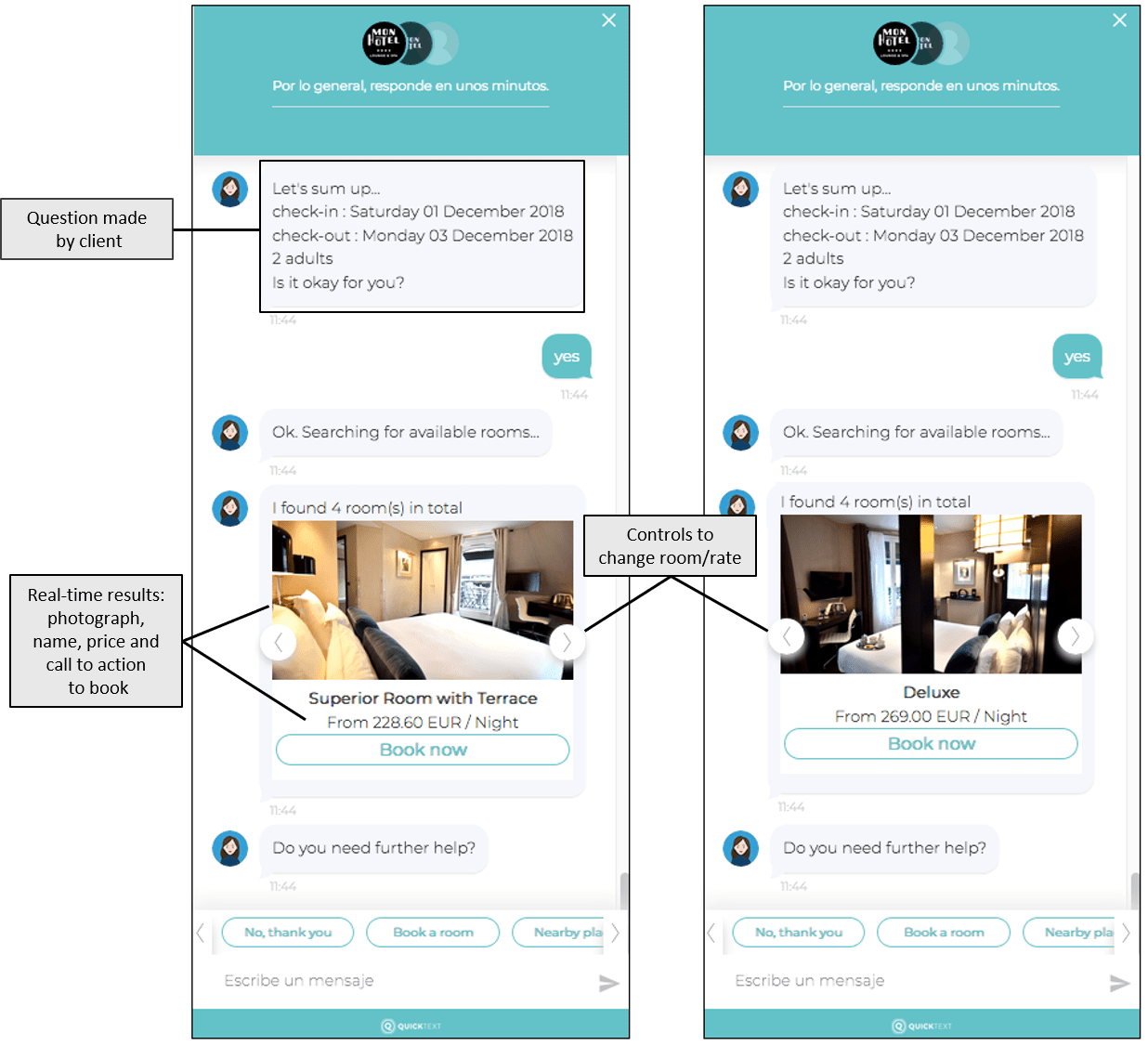
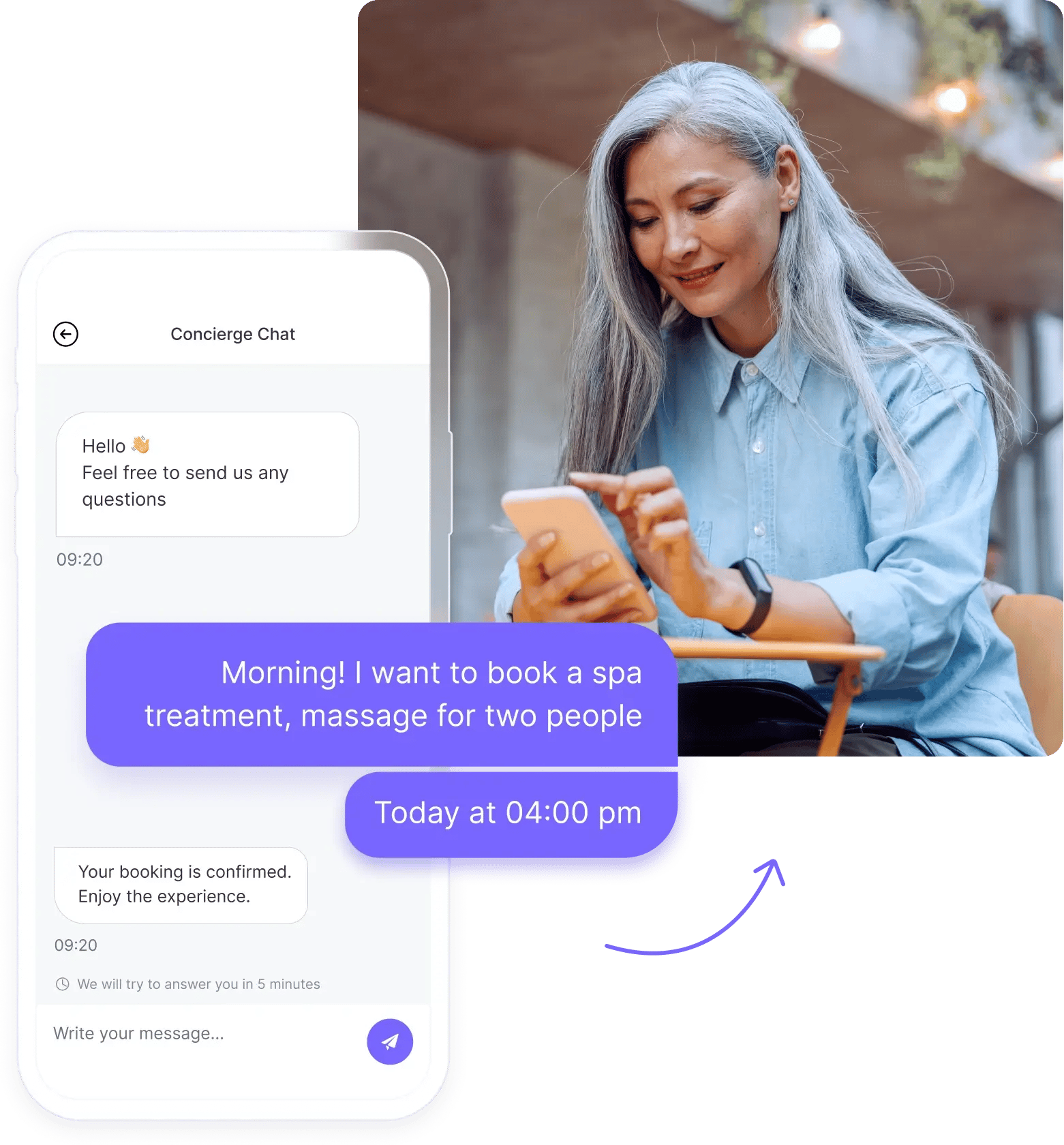
AI-powered chatbots are transforming guest communication.
Before arrival, guests can:
- Ask about room availability
- Check amenities
- Request airport pickup
- Confirm reservations
During the stay, they can:
- Order room service
- Request housekeeping
- Ask for Wi-Fi details
- Get tourist information
After checkout, they may:
- Leave feedback
- Receive digital invoices
- Get promotional offers
Chatbots operate 24/7, reducing workload on front desk staff and improving response time.
Importantly, AI chatbots do not eliminate human staff. Instead, they handle routine queries so employees can focus on personalized guest interaction.
4. Smart Rooms & Internet of Things (IoT)
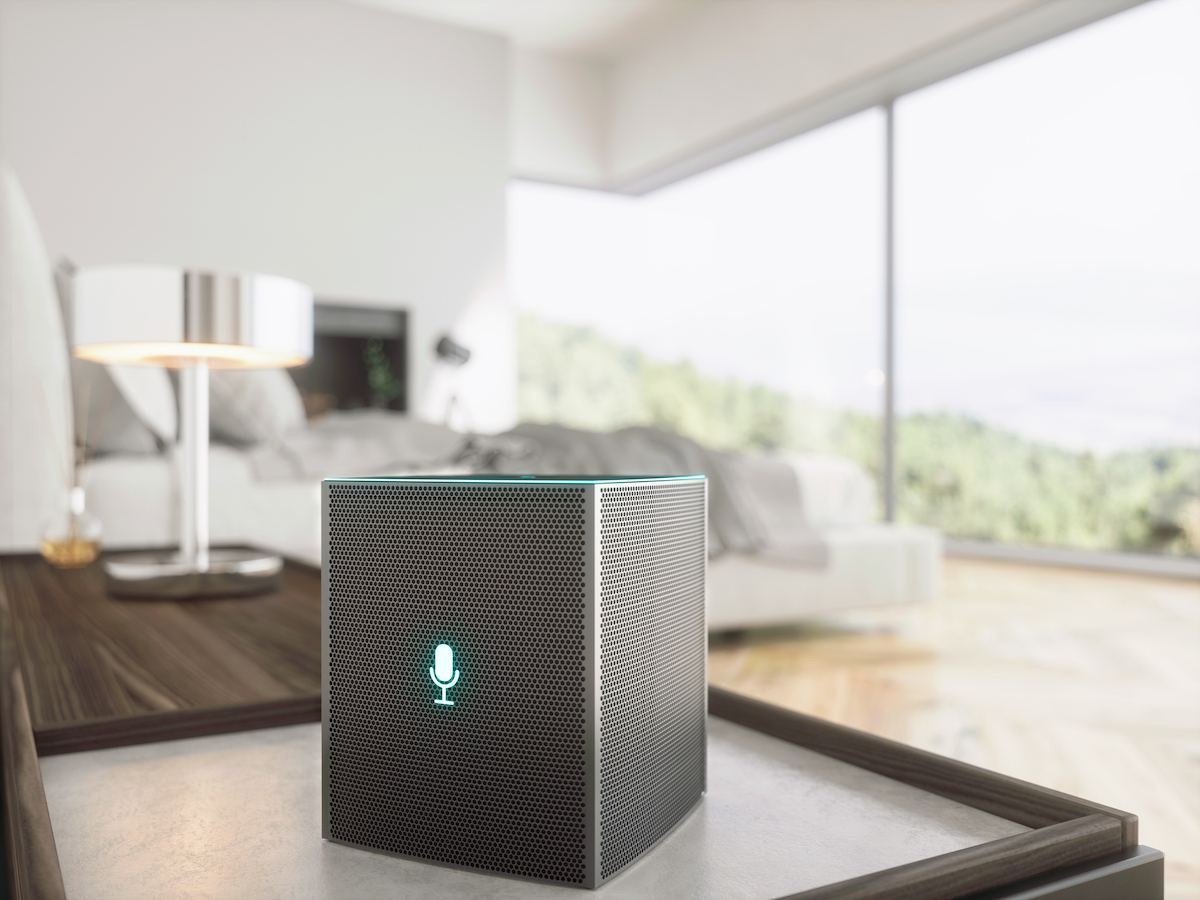
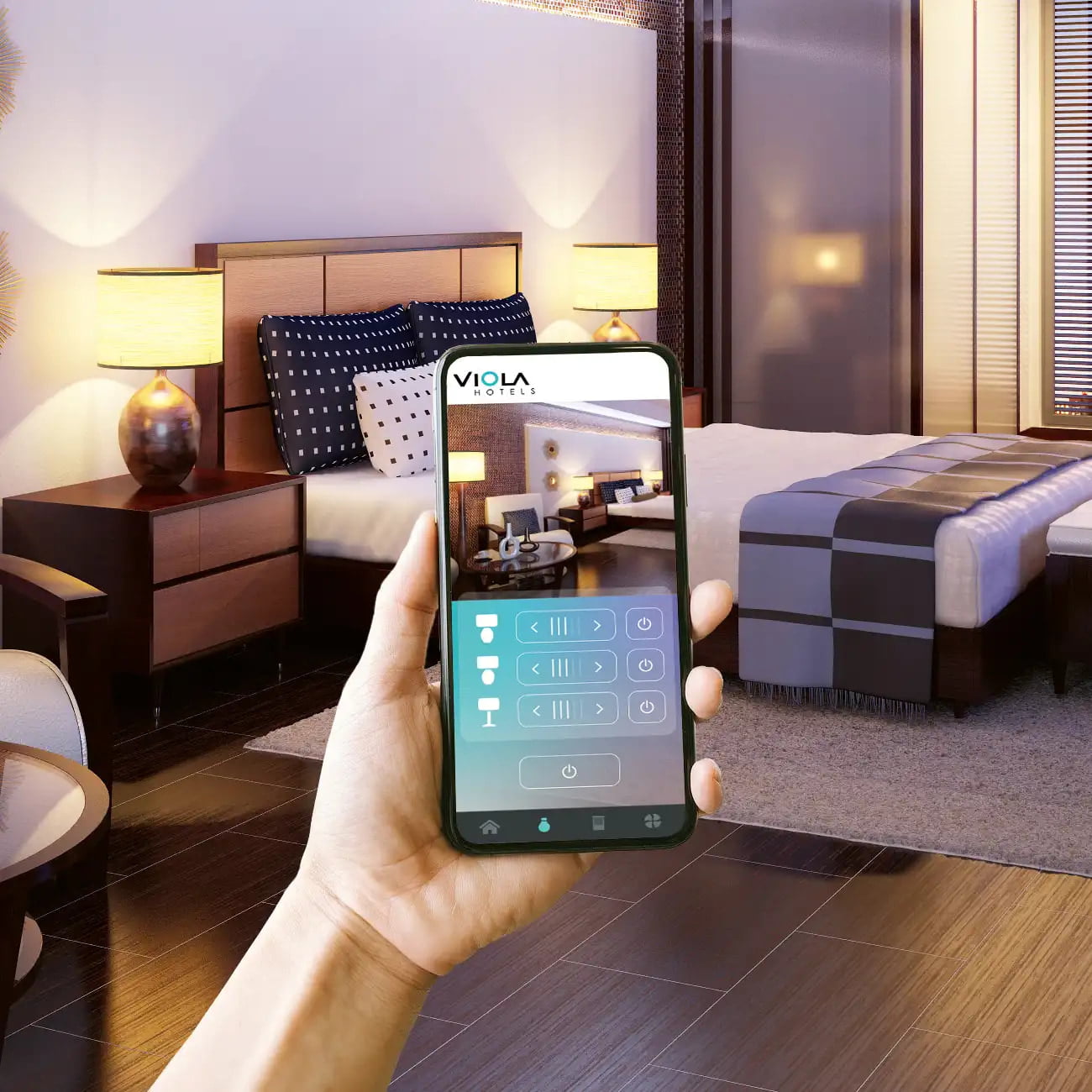
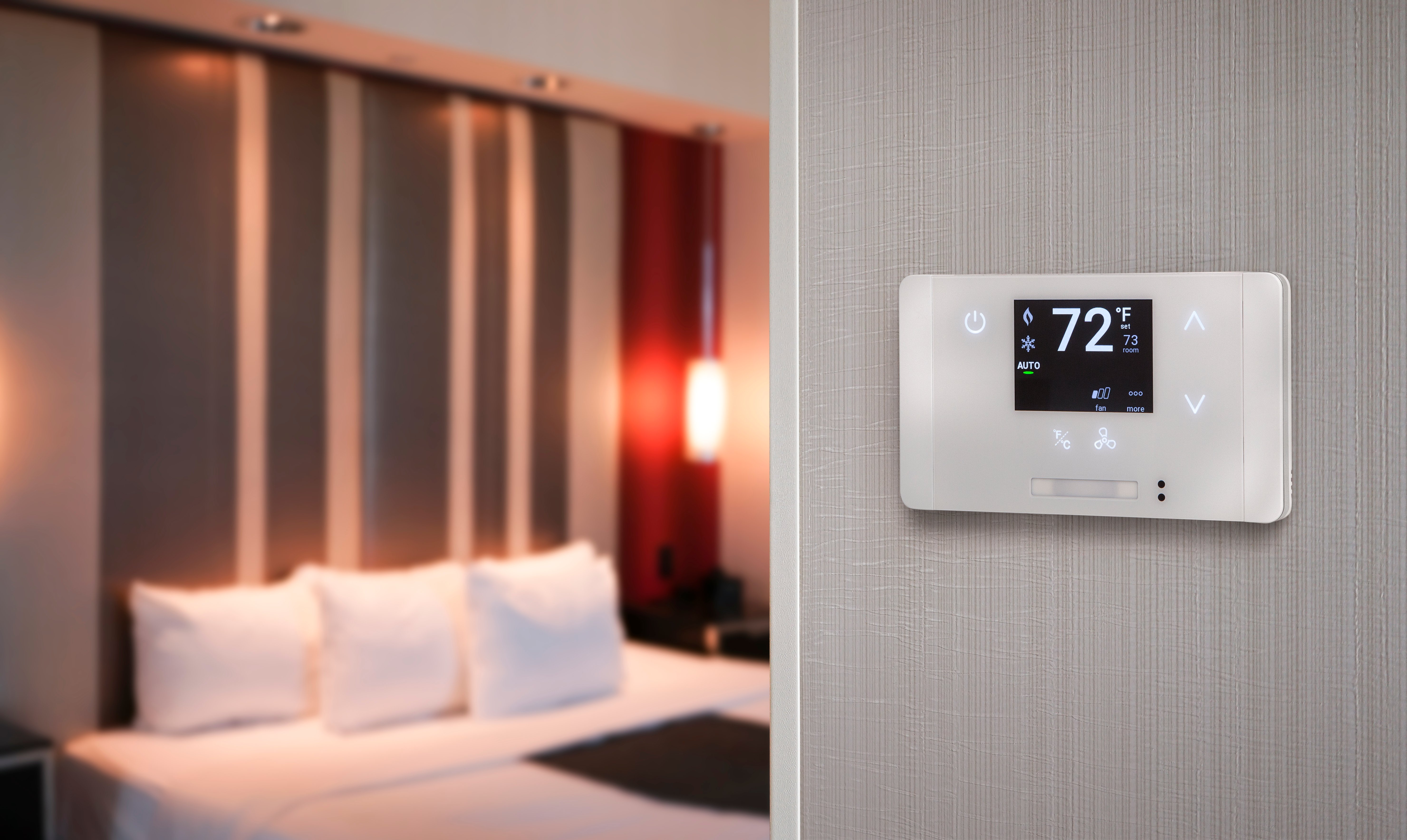
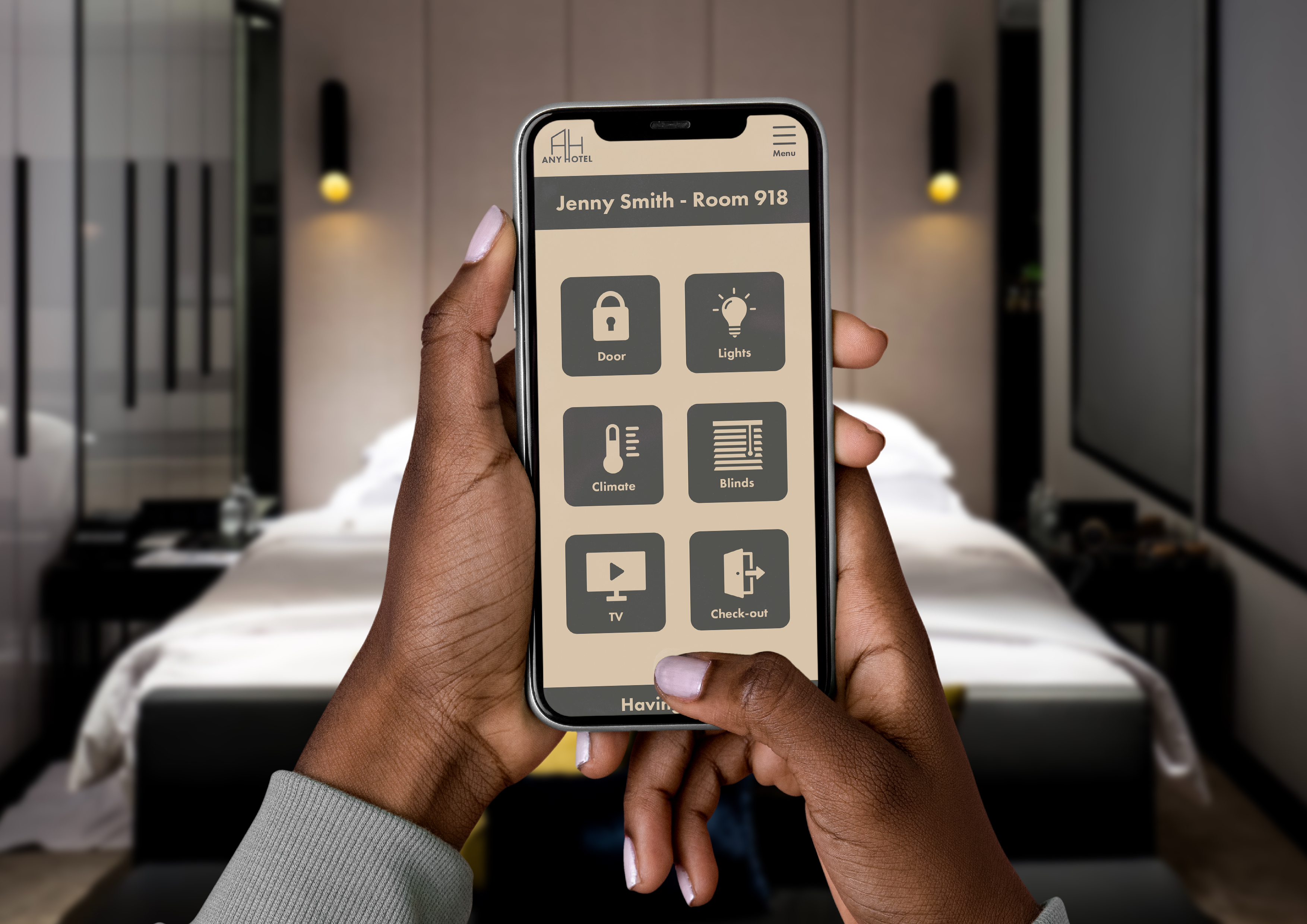
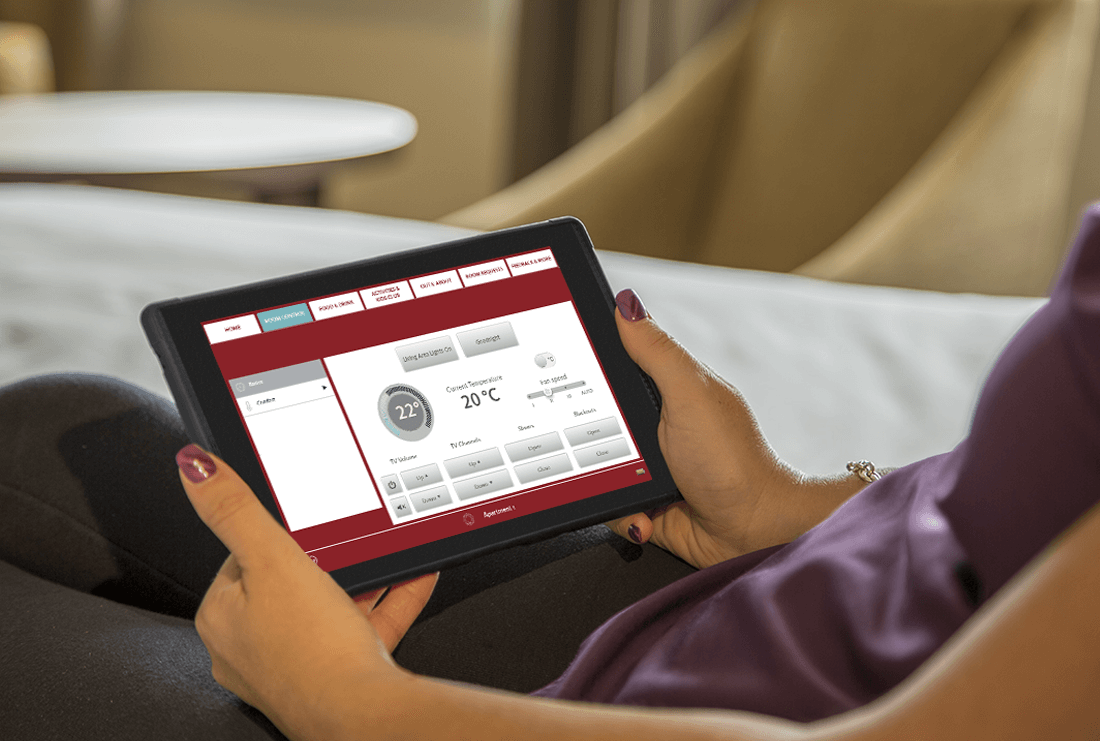
AI works closely with smart devices in modern hotels.
Guests can control:
- Lighting
- Temperature
- Curtains
- Television
- Music
All through voice commands or mobile apps.
For example, saying “Good night” might:
- Dim lights
- Close curtains
- Adjust room temperature
- Turn off TV
This level of automation enhances comfort and luxury.
Hotels like Accor are investing in smart room technology to improve guest convenience and reduce energy waste.
Energy-efficient AI systems also detect when rooms are unoccupied and automatically adjust electricity usage, reducing operational costs.
5. AI in Housekeeping & Operations

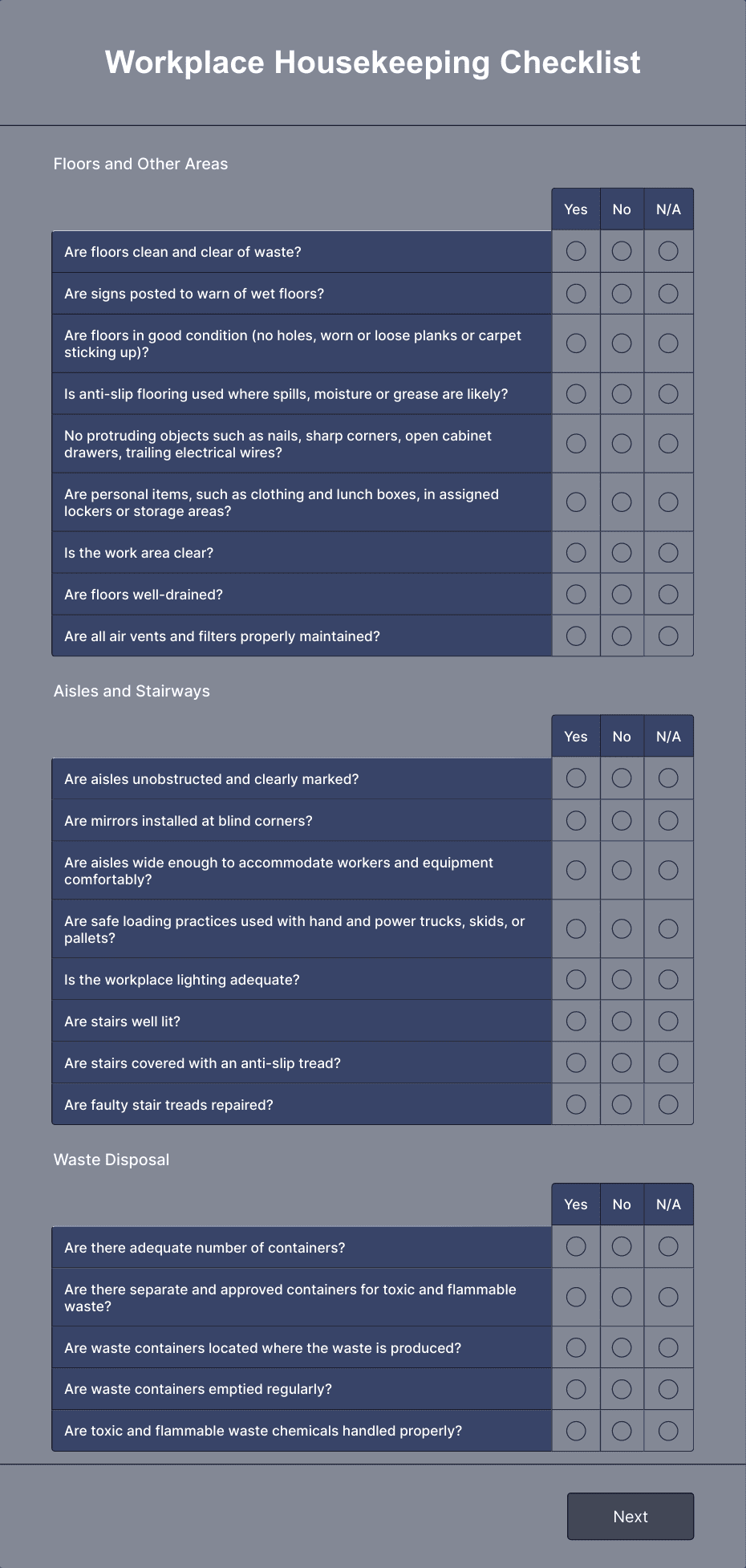
AI optimizes daily hotel operations.
Housekeeping teams now use AI-powered systems that:
- Assign rooms based on priority
- Track cleaning progress
- Predict maintenance issues
- Monitor linen usage
For example:
If AI detects that a room’s air-conditioning unit is functioning irregularly, it alerts maintenance before complete failure occurs. This is called predictive maintenance.
Benefits include:
- Faster room turnaround
- Lower maintenance costs
- Reduced guest complaints
- Improved efficiency
Operational intelligence increases productivity without increasing staff stress.
6. AI in Marketing & Reputation Management
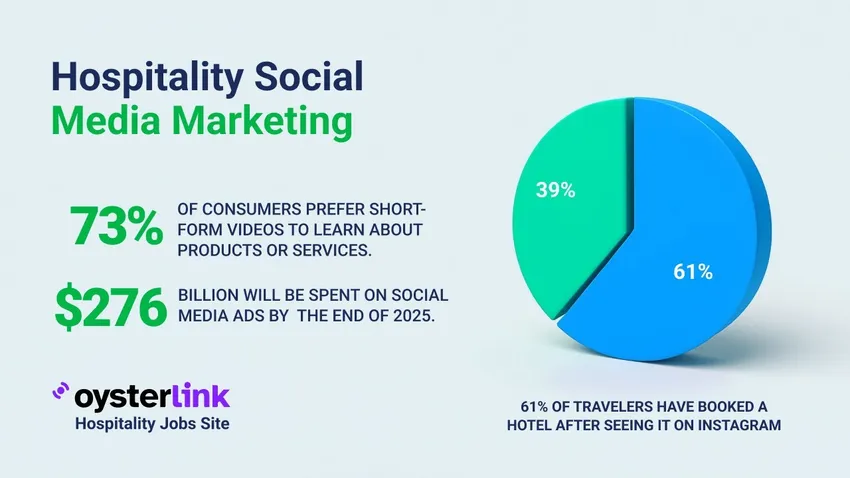

Online reputation determines success.
AI tools monitor:
- Online reviews
- Social media comments
- Guest ratings
- Customer sentiment
If multiple reviews mention “slow check-in,” the system highlights it for management attention.
AI also analyzes customer behavior to:
- Recommend marketing campaigns
- Optimize advertising budgets
- Identify target audiences
- Predict customer booking behavior
Hotels that understand their digital presence stay competitive in a highly connected world.
7. Enhanced Security & Fraud Detection
AI improves hotel security by:
- Monitoring CCTV intelligently
- Detecting unusual behavior patterns
- Identifying fraudulent bookings
- Securing digital payment systems
Facial recognition technology is being explored for:
- Faster check-in
- Secure room access
- VIP guest identification
While privacy concerns must be managed carefully, AI contributes to safer hospitality environments.
8. AI and Workforce Transformation
Many fear AI will replace hotel jobs. The reality is more balanced.
AI reduces repetitive tasks such as:
- Manual data entry
- Standard inquiries
- Basic scheduling
This allows employees to:
- Focus on guest relationships
- Develop soft skills
- Improve service creativity
- Enhance emotional intelligence
The future hotel professional must combine:
Technology understanding + Human warmth
AI handles data.
Humans handle emotions.
Challenges of AI in Hospitality
Despite its benefits, AI also presents challenges:
- High implementation cost
- Staff training requirements
- Data privacy concerns
- Overdependence on automation
- Technical failures
Hotels must balance technology and human touch carefully. Hospitality without emotion becomes robotic. Technology should support, not replace, genuine service.
The Future of AI in Hotels
The future may include:
- Fully automated check-ins
- Robot-assisted room service
- Predictive guest behavior analysis
- AI-based travel planning integration
- Hyper-personalized stay experiences
Hotels that adapt early will gain competitive advantage.
Artificial Intelligence is not a threat. It is an opportunity.
Final Reflection
Artificial Intelligence is changing the hotel industry in powerful ways:
- Smarter pricing
- Personalized service
- Faster communication
- Efficient operations
- Improved marketing
- Stronger security
But one truth remains constant: hospitality is still about people. Technology can predict preferences, automate systems, and analyze data — but only humans can create warmth, empathy, and genuine emotional connection. The future of hospitality belongs to professionals who understand both the power of technology and the irreplaceable value of human service. AI is the tool. People remain the heart.