Hospitality Education in India: Building Discipline, Professionalism, and Global Leaders
The operational systems are detailed, the hierarchy is clear, and performance expectations are high. Professionals learn to handle pressure, manage teams, and maintain standards even during peak seasons.

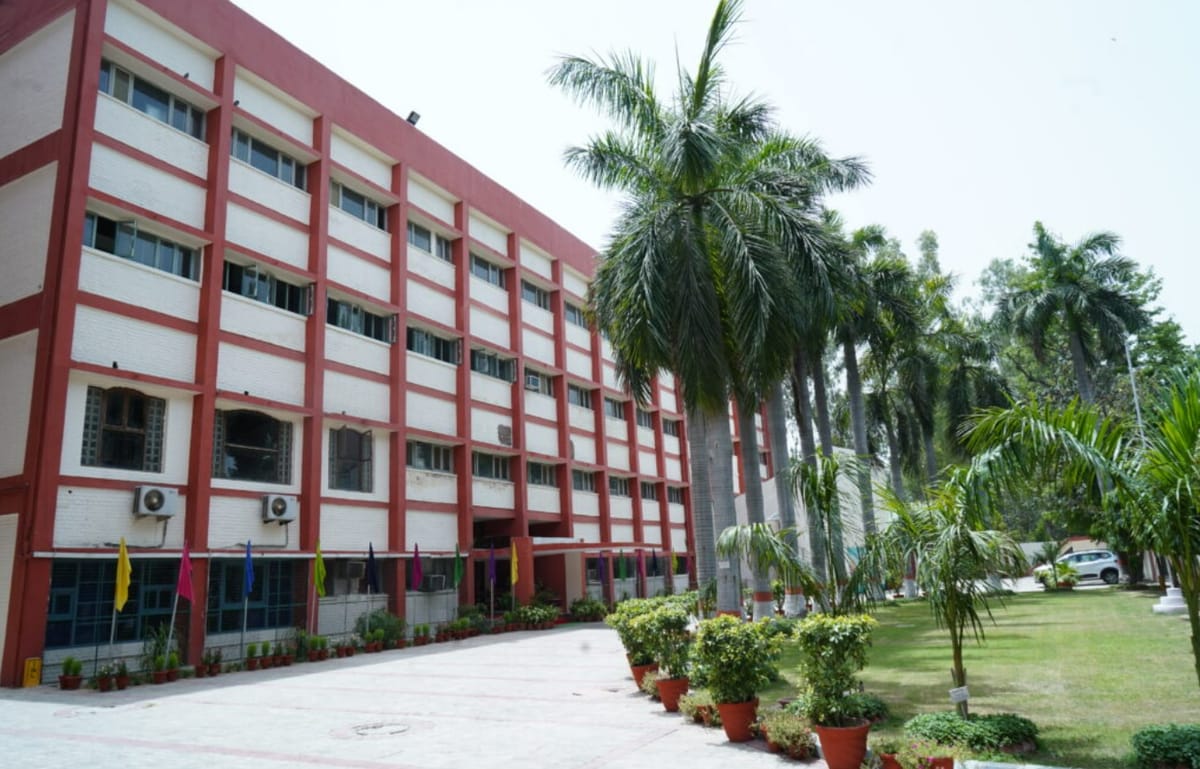
Hospitality education in India is considered one of the strongest and most practical systems in the world. The reason behind this reputation is not only the size of the industry, but the discipline, structure, and seriousness with which hospitality is taught and practiced.
In India, hotel management is not treated as just a degree program. It is treated as professional training for a lifelong career in an industry that demands perfection, commitment, and zero excuses.
Over the years, India has built a hospitality education system that combines classroom learning with intense practical exposure.
Students are trained not only to pass exams but to perform under pressure. They are shaped into professionals who understand standards, ethics, and responsibility.
Many international hotel chains operate in India, which gives students exposure to global service systems. Because of this environment, students develop confidence, technical knowledge, and leadership qualities at an early stage of their career.
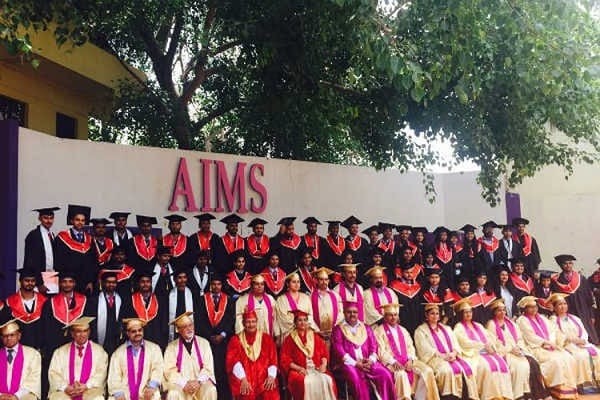
Institutions such as Institute of Hotel Management Pusa have set national benchmarks for hospitality education. Alongside government institutes, private colleges like AIMS Institutes in Bangalore have played an important role in producing skilled professionals who are working across the world today.


Visit Website
One of the strongest features of Indian hospitality education is its focus on practical learning. Students spend long hours inside training kitchens, bakery labs, housekeeping model rooms, front office labs, and service restaurants. They learn by doing. From knife skills in food production to handling guest complaints at the front desk, every skill is practiced repeatedly until it becomes natural.
The training is not easy. Working hours during practical sessions are long. Standards are strict. Uniform and grooming inspections are regular. Late coming is not tolerated. Assignments must be submitted on time. Students are trained to understand that hospitality is an industry where punctuality and presentation are non-negotiable.
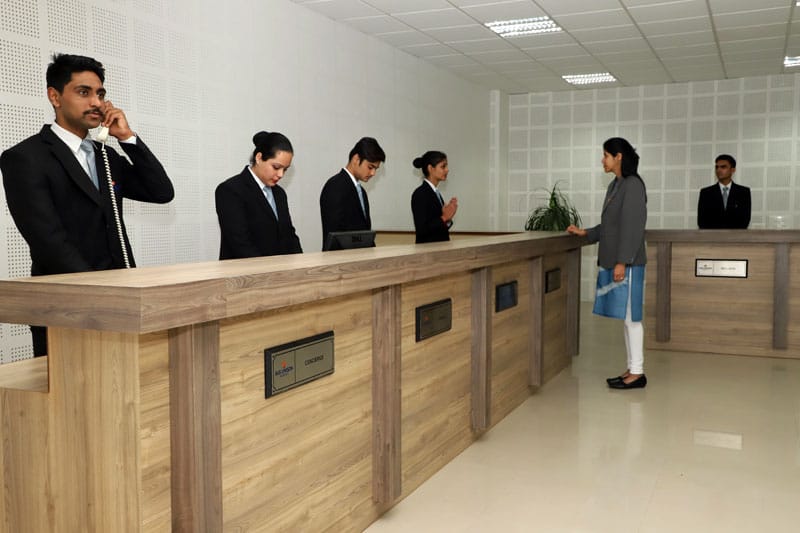
In Indian institutions, grooming is given special importance. Students are taught how to maintain personal hygiene, how to stand properly, how to maintain eye contact, how to speak professionally, and how to carry themselves with confidence.
The focus is not only on technical knowledge but also on personality development. Communication skills are improved through presentations, group discussions, and industry interaction sessions.
Another important aspect of Indian hospitality education is discipline. The system operates with a clear structure. There are rules for attendance, uniform standards, behavior, and performance. Excuses are rarely accepted. Students are expected to take responsibility for their mistakes and improve continuously. This culture builds mental strength and resilience.
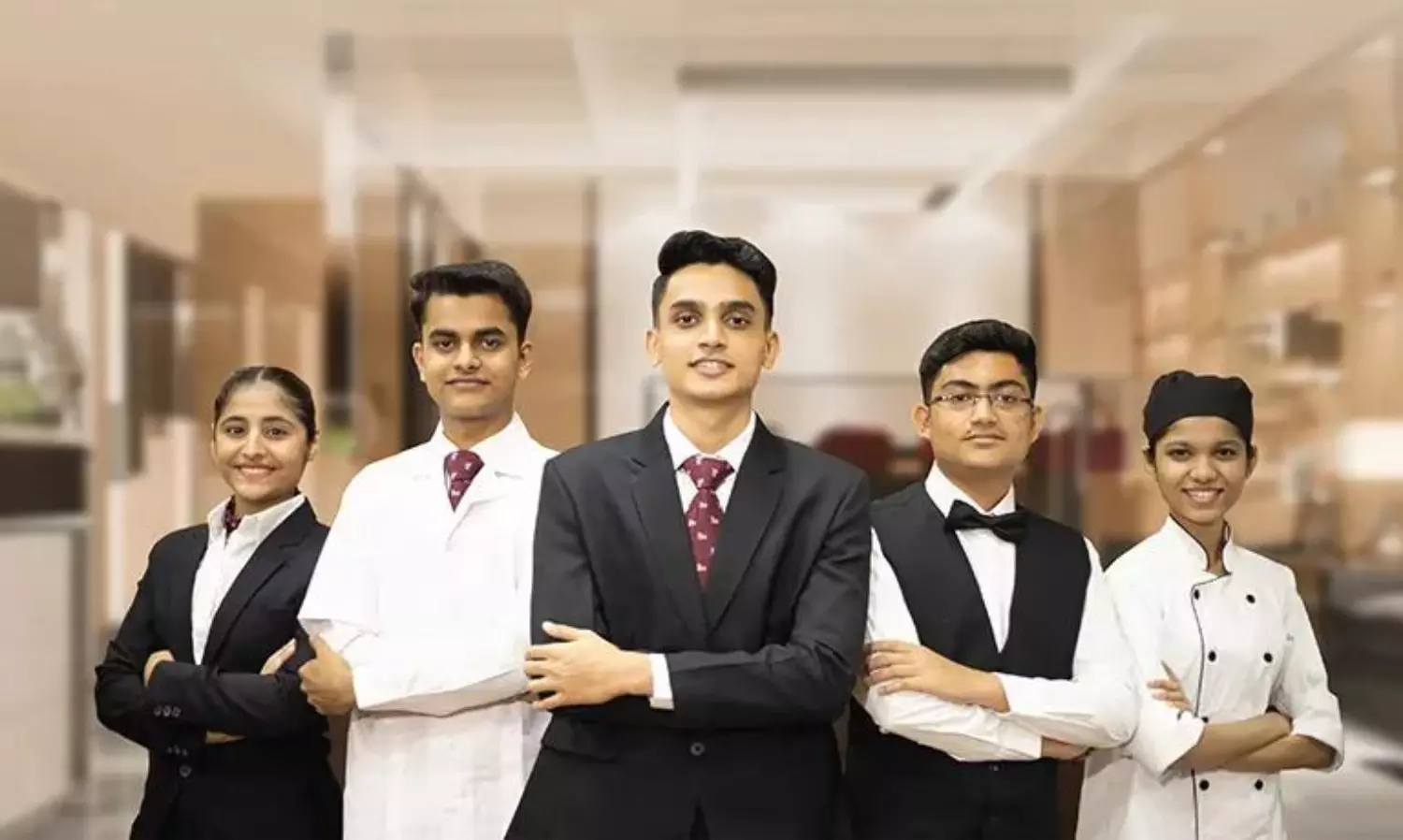
There is a popular saying in the hospitality industry that if a person works in an Indian hotel for at least five years, they can lead hotels anywhere in the world. This belief is based on the rigorous training environment found in Indian hotels.
The operational systems are detailed, the hierarchy is clear, and performance expectations are high. Professionals learn to handle pressure, manage teams, and maintain standards even during peak seasons.
The hotel industry in India functions with strong discipline. Working in such an environment feels similar to working in a structured institution like the army. There are ethics, rules, reporting systems, and performance monitoring.
This strict professional culture shapes individuals into responsible leaders. It prepares them to manage departments, handle guests from different cultures, and operate under challenging situations.
Hospitality colleges in India also organize festivals, competitions, and industry events. During these programs, well-known chefs, hotel general managers, and industry leaders are invited to interact with students.
Such exposure motivates students and allows them to understand real-world expectations. Students get the opportunity to participate in food festivals, cultural programs, inter-college competitions, and hotel visits. These activities improve confidence and networking skills.
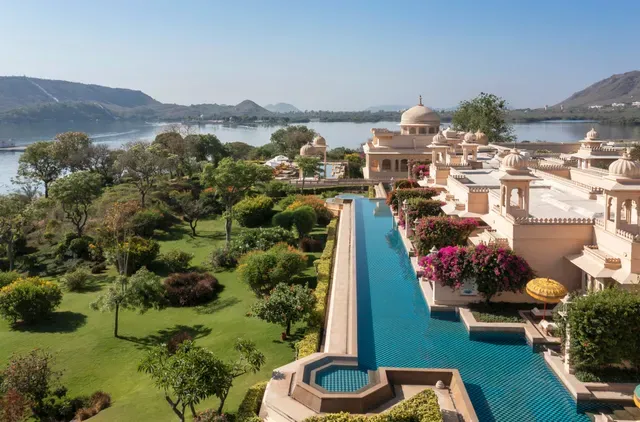
Hotels like The Oberoi Group are widely recognized not only for their luxury standards and exceptional guest service but also for their structured career development programs such as OCLs (Oberoi Centre for Learning) and OCCRs (Oberoi Centre for Career Development), which are designed to shape young hospitality graduates into highly disciplined and professionally trained leaders; these programs are extremely competitive and focus on intensive practical exposure, leadership grooming, operational excellence, and international service standards, where trainees undergo rigorous departmental rotations in front office, food and beverage service, housekeeping, and kitchen operations under strict supervision, ensuring that they understand every detail of hotel functioning from the ground level to management responsibilities; the training environment is demanding, structured, and performance-oriented, with zero tolerance for excuses, which builds resilience, confidence, and decision-making ability in future hoteliers, and because of this systematic and high-pressure learning culture, many professionals who complete OCL or OCCD programs are able to lead luxury hotels not only in India but across the world, making such initiatives a benchmark for hospitality education and industry readiness.


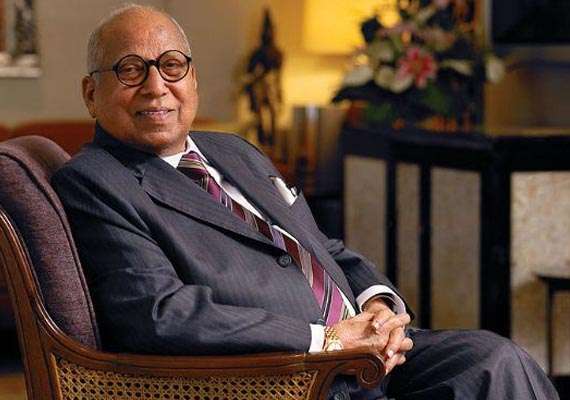
Inspiring Indian hoteliers such as Mohan Singh Oberoi and Captain C. P. Krishnan Nair have played a transformational role in shaping the luxury hospitality industry of India and placing it on the global map; Mohan Singh Oberoi began his journey with humble beginnings and through dedication, discipline, and an uncompromising commitment to excellence built The Oberoi Group into one of the most respected luxury hotel brands in the world, setting new benchmarks in service standards, training, and professionalism, while Captain Nair founded The Leela Group with a vision to combine Indian heritage, culture, and world-class luxury, creating iconic properties known for elegance and personalized service; both leaders demonstrated that hospitality is not just about buildings and rooms but about leadership, discipline, innovation, and the ability to inspire thousands of professionals to uphold excellence, making them powerful role models for aspiring hoteliers across India, Nepal, and beyond.



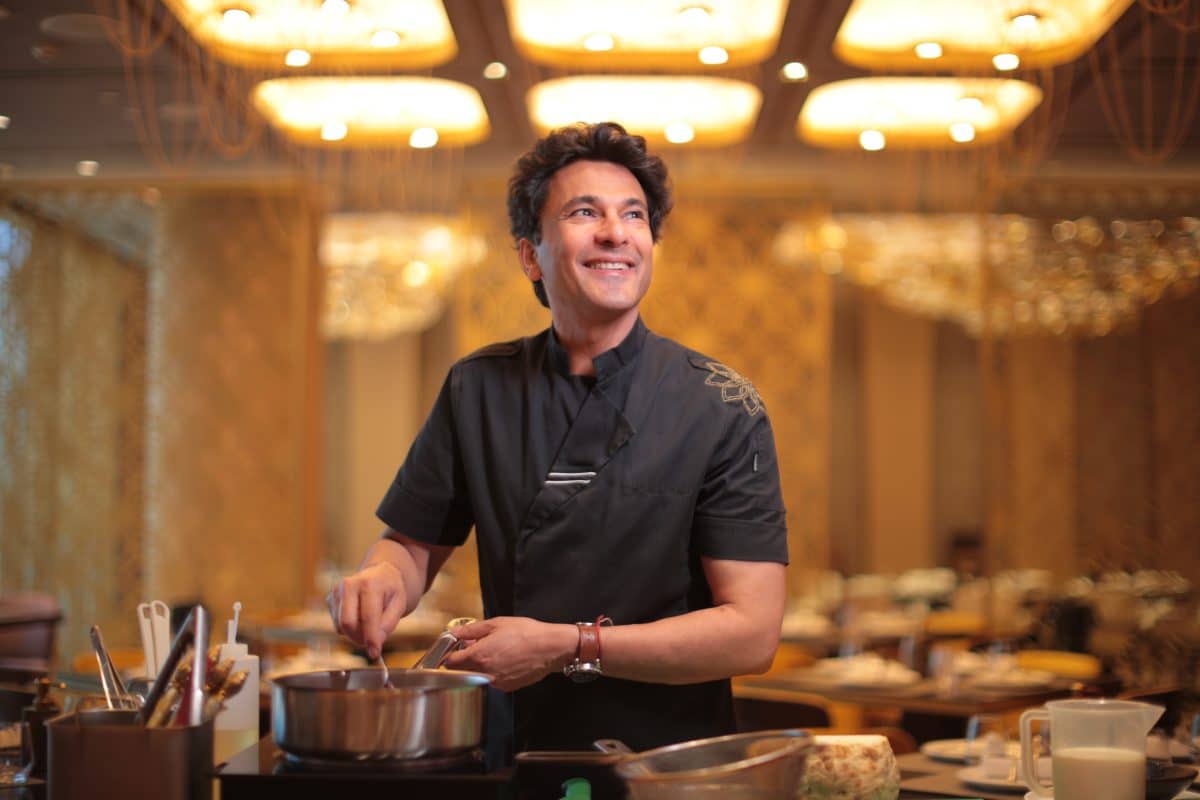
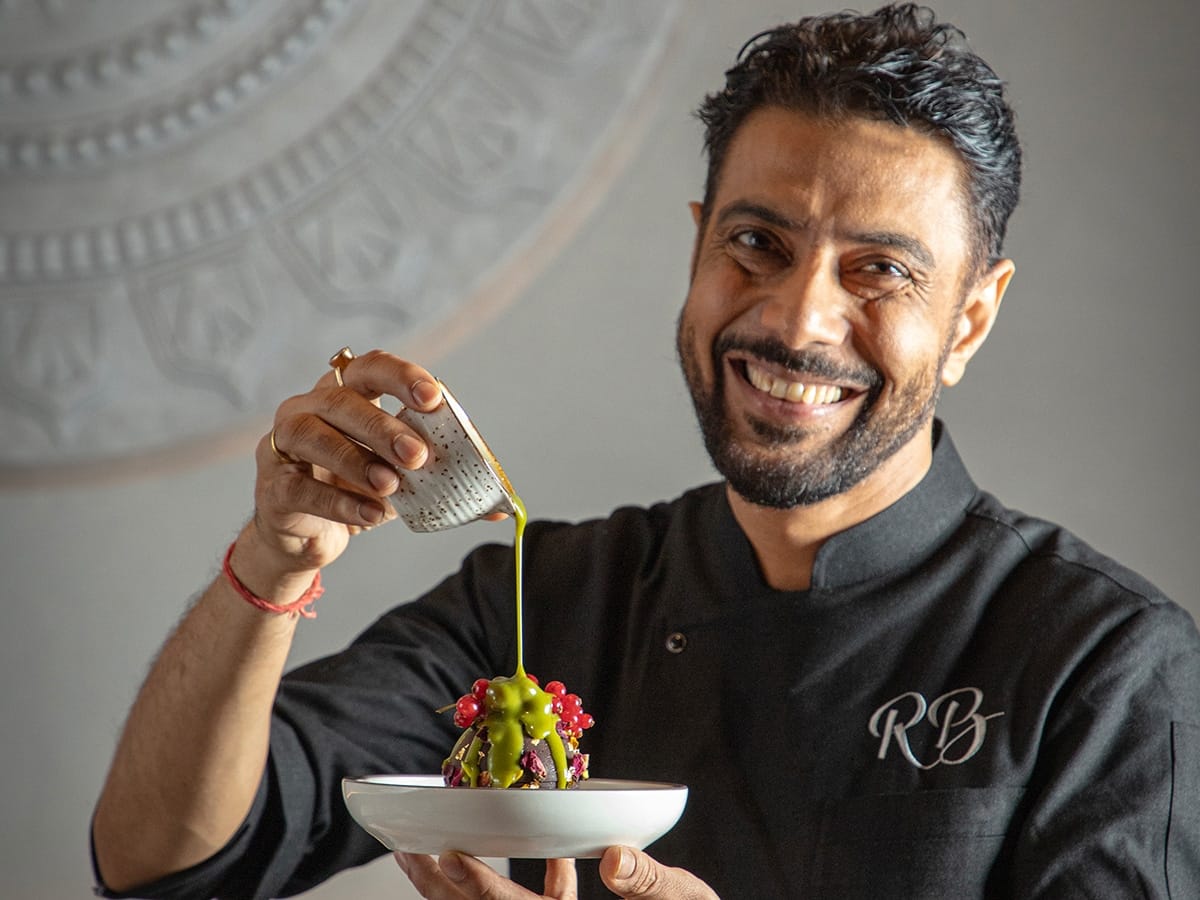
Great top chefs of India such as Sanjeev Kapoor, Vikas Khanna, Ranveer Brar, and Atul Kochhar have elevated Indian cuisine to global recognition through their creativity, discipline, and deep respect for traditional flavors; Chef Sanjeev Kapoor revolutionized culinary education and television cooking in India, inspiring millions of young chefs, while Vikas Khanna and Atul Kochhar earned Michelin stars and introduced authentic Indian flavors to international fine dining platforms, proving that Indian cuisine can compete at the highest global standards, and Ranveer Brar has blended storytelling with gastronomy, promoting regional Indian food with modern presentation; these chefs represent not only culinary excellence but also professionalism, innovation, and leadership, serving as powerful role models for aspiring hospitality students across India and neighboring countries like Nepal.

My own experience studying in Bangalore at AIMS Institutes played a significant role in shaping my professional journey. The institute did not only provide academic knowledge. It provided life lessons.
The teachers were mentors who believed in discipline and hard work. They emphasized grooming, punctuality, respect for seniors, and responsibility towards the industry. Even today, those lessons guide my professional behavior.
The pressure during practical training and internships made me stronger. The environment taught me that hospitality is not about comfort. It is about service, dedication, and consistency. The institute helped me understand that professionalism is built daily through habits and discipline.
When we connect this with the Nepali hotel industry, there are important lessons to consider.
Nepal is globally recognized for its warm and genuine hospitality. The cultural belief that guests are like gods reflects the kindness and respect that Nepali people naturally possess. This natural hospitality is a strong foundation.
However, in some areas, Nepal still needs improvement in terms of structured professionalism. Practical exposure in some institutions may not be as strong. Grooming standards are sometimes inconsistent.
Communication skills require more attention. There can also be a tendency to accept excuses instead of enforcing discipline.
If Nepali students study in India and gain experience in Indian hotels, they bring back structured systems, discipline, and global standards. When Nepali warmth is combined with Indian professionalism, the result can be powerful. Nepal’s growing tourism industry needs professionals who understand international expectations.
In recent years, many international hotel brands have entered Nepal. This growth demands skilled managers, chefs, front office executives, and housekeeping supervisors who can meet global standards. Professionals trained in India are often well prepared to handle such responsibilities.
Hospitality is not only about serving food or providing rooms. It is about creating experiences. It is about maintaining consistency every day. It is about teamwork, communication, and accountability. Indian hospitality education focuses strongly on these values.
The future of the Nepali hotel industry can become stronger if more emphasis is placed on practical learning, strict grooming standards, industry exposure, and zero-excuse culture. Institutions in Nepal can learn from the Indian model by strengthening internships, inviting industry leaders for guest lectures, organizing hospitality festivals, and maintaining high discipline.
Students must understand that hospitality is a demanding profession. Long working hours, guest expectations, and operational pressure are part of the job. But these challenges build character. They create leaders.
In conclusion, hospitality education in India stands as a strong model of discipline, professionalism, and practical excellence. It produces graduates who are confident, skilled, and ready to lead. The strict training environment shapes individuals into responsible professionals who can succeed anywhere in the world.
For Nepali students, Indian hospitality education offers not just academic growth but personal transformation. It teaches that success in hospitality comes from hard work, respect, punctuality, and continuous learning. There are no shortcuts in this industry. There are no excuses. There is only discipline, ethics, and commitment.
If Nepal combines its natural warmth with structured professional training, it can produce world-class hoteliers who represent the country proudly on the global stage.