Happiness is Homemade and Homegrown
Home gardening is more than just growing plants. It is about creating a peaceful environment, nurturing life, and enjoying the satisfaction that comes from watching something grow under your care.


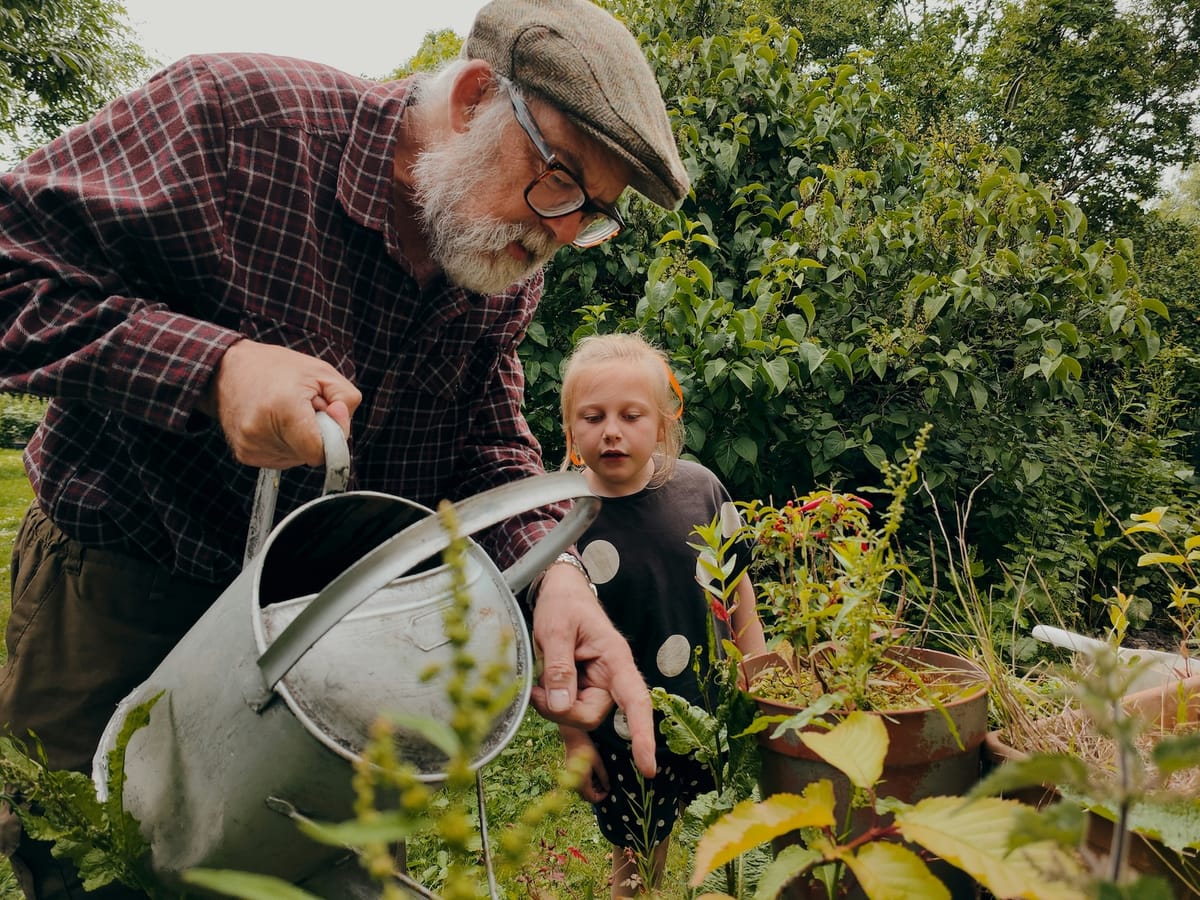
In a world where life moves quickly and stress often feels unavoidable, many people are searching for simple ways to find happiness. Surprisingly, one of the most effective ways to improve well-being can begin right at home—through gardening.
Home gardening is more than just growing plants. It is about creating a peaceful environment, nurturing life, and enjoying the satisfaction that comes from watching something grow under your care. Across Nepal, more families are embracing home gardens as a way to reconnect with nature and bring positivity into their daily lives.
One of the greatest joys of home gardening is the sense of accomplishment it provides. Planting a small seed, caring for it regularly, and eventually seeing it bloom or produce vegetables creates a deep sense of satisfaction. This process teaches patience and reminds us that good things take time.
Kitchen gardening is becoming particularly popular in urban homes. Growing vegetables such as tomatoes, spinach, coriander, or chili peppers allows families to enjoy fresh and healthy food directly from their garden. Not only does this reduce dependency on market produce, but it also ensures that the food is free from harmful chemicals.
 Peace Opoggen
Another benefit of homegrown gardens is improved mental well-being. Gardening is a calming activity that helps reduce stress and anxiety. The simple act of watering plants or tending to a small garden can be incredibly therapeutic. Spending time in nature—even in a small home garden—helps clear the mind and restore energy.
Home gardens also improve the beauty and comfort of living spaces. A balcony filled with flowers, a small backyard garden, or a rooftop garden can transform a house into a peaceful retreat. Plants add color, freshness, and natural beauty to any environment.
For families with children, gardening can be an excellent learning experience. Kids learn responsibility as they care for plants and observe how nature works. They also develop an appreciation for healthy food and environmental conservation.
Another advantage of home gardening is its contribution to sustainability. Plants improve air quality by absorbing carbon dioxide and releasing oxygen. They also help cool the surrounding environment, making homes more comfortable during hot weather.
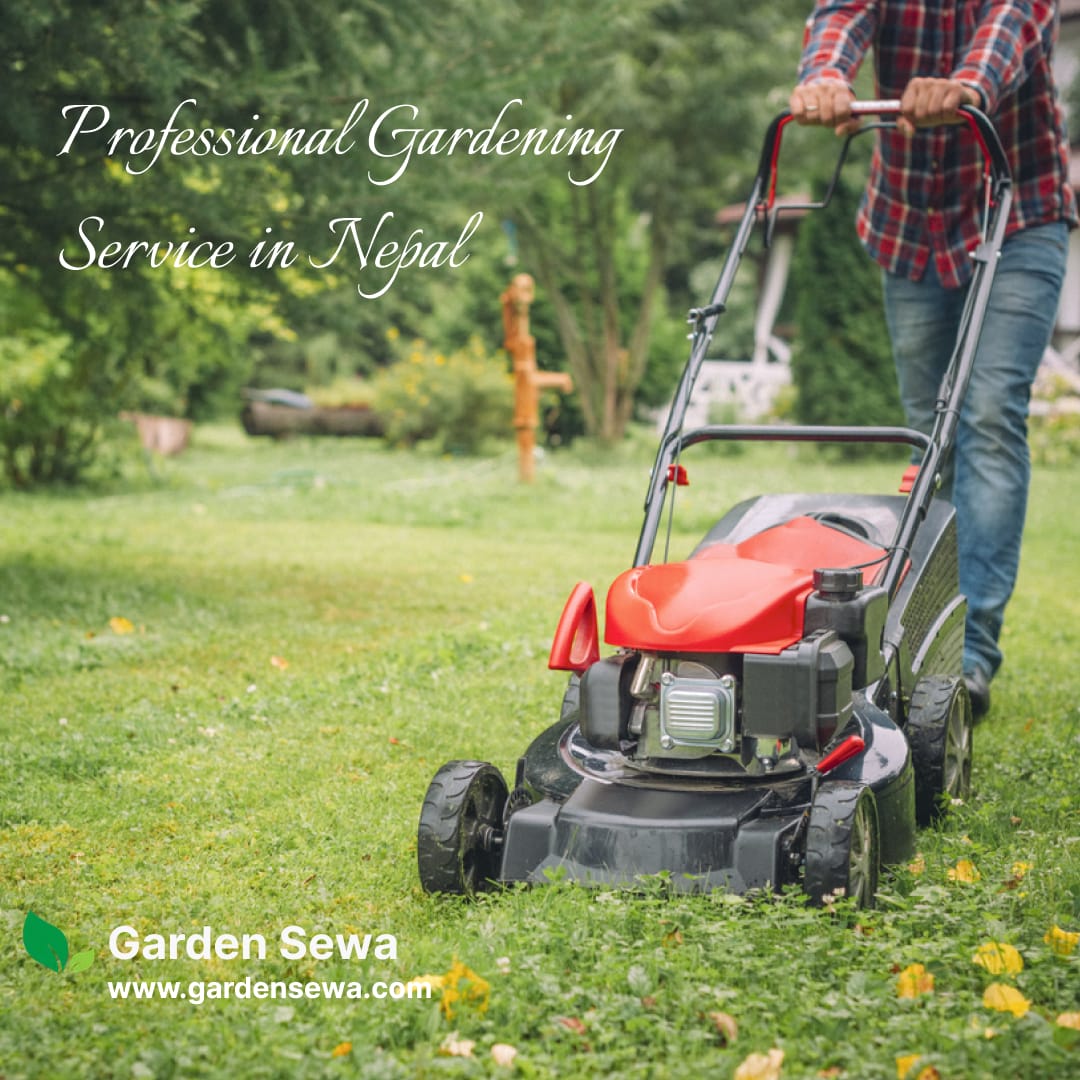
Even people with limited space can enjoy gardening. Container gardening, vertical gardens, and rooftop gardens make it possible to grow plants in small urban areas. With proper planning and plant selection, even a tiny balcony can become a thriving green space.
Homegrown gardens also encourage healthier lifestyles. Fresh herbs and vegetables inspire people to cook nutritious meals. Gardening itself provides light physical activity that keeps the body active.
Community connections can also grow from gardening. Neighbors often exchange plants, seeds, and gardening advice, creating stronger social bonds.
In essence, happiness does not always come from big achievements or material possessions. Often, it grows quietly in the small spaces we nurture every day.
By creating a home garden, people can experience the joy of watching life grow, improving their health, and building a peaceful living environment.
Happiness, after all, is truly homemade—and homegrown.