Game Changing Religious and Spiritual Tourism for Hotel Management in Nepal
Nepal’s sacred temples and pilgrimage circuits create steady visitor flow throughout the year. Sites such as Pashupatinath Temple, Muktinath Temple and Janaki Temple attract domestic and international pilgrims.

In today’s fast-moving world, daily life has become intense, competitive, and digitally overwhelming. People are constantly connected, yet emotionally disconnected. Stress, anxiety, burnout, and mental fatigue have become global realities.
As a result, modern travelers are no longer searching only for luxury rooms and sightseeing. They are searching for silence. They are searching for healing. They are searching for meaning.
This global shift has opened a powerful opportunity for Nepal. Religious and spiritual tourism is no longer a niche segment. It is becoming a major pillar of modern hospitality.
For hotel management in Nepal, this shift is not just an opportunity, it is a game changer.
Why the World Is Seeking Spiritual Destinations
Across Europe, America, and Asia, more people are turning toward meditation, yoga, mindfulness, and pilgrimage travel. Wellness tourism is growing rapidly because people want long-term transformation, not short-term escape.
Travelers now look for:
• Meditation retreats
• Yoga immersion programs
• Silent retreats
• Pilgrimage journeys
• Detox and wellness stays
• Long-term spiritual living experiences
Nepal naturally fits into this global movement.
Nepal’s Spiritual Advantage
Nepal is not artificially creating a spiritual image. It already has one.
As the birthplace of Buddha at Lumbini, Nepal holds deep global religious significance. Pilgrims from around the world visit Lumbini seeking connection with Buddhist history and philosophy.

Sacred sites such as Boudhanath Stupa and Pashupatinath Temple attract both spiritual seekers and religious pilgrims. These locations are living heritage sites, where rituals, chants, incense, and centuries-old traditions continue daily.
Beyond temples and monasteries, Nepal’s greatest spiritual asset is its natural environment.
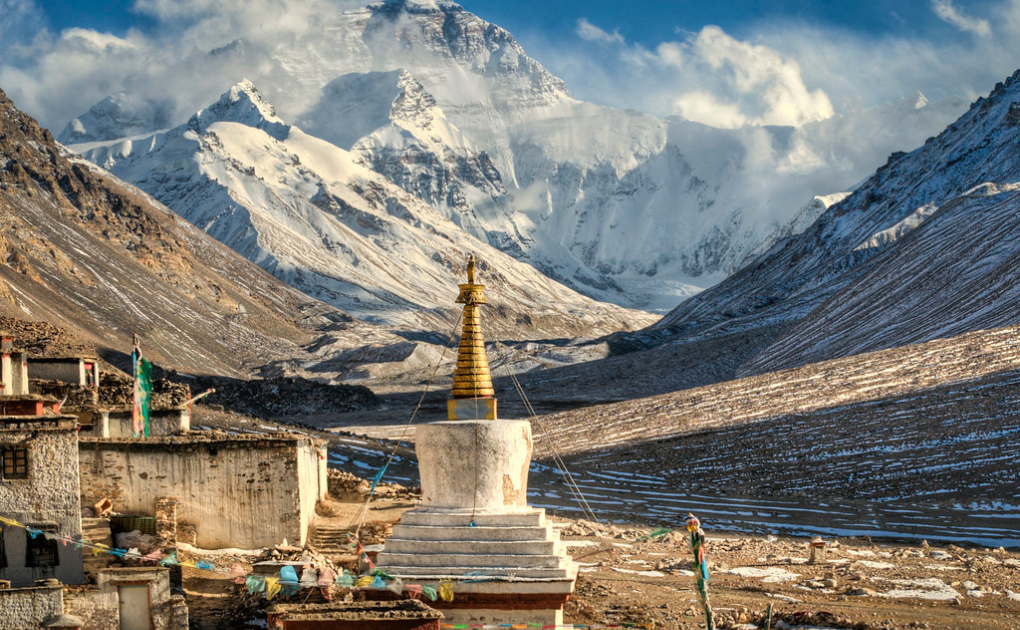
The Himalayas create a sense of humility and vastness. Flowing rivers, waterfalls, forests, and mountain air naturally encourage introspection. The silence found in Himalayan villages cannot be manufactured in urban wellness centers abroad.
Nepal offers authentic spiritual atmosphere, not staged spirituality.
The Rise of Spiritual Resorts and Retreat Centers
In recent years, many resorts and boutique hotels in Nepal have begun focusing specifically on spiritual and wellness tourism. Instead of only offering rooms and food, they now offer:
• Guided meditation programs
• Yoga teacher training courses
• Sound healing sessions
• Ayurveda therapies
• Organic vegetarian cuisine
• Digital detox stays
• Long-term retreat packages
These properties are no longer just accommodation providers. They are transformation spaces.
For hotel management, this requires a new mindset. Staff must understand calm communication, emotional sensitivity, and holistic service. The guest experience is not transactional; it is experiential.
Religious Tourism: A Stable Year-Round Market
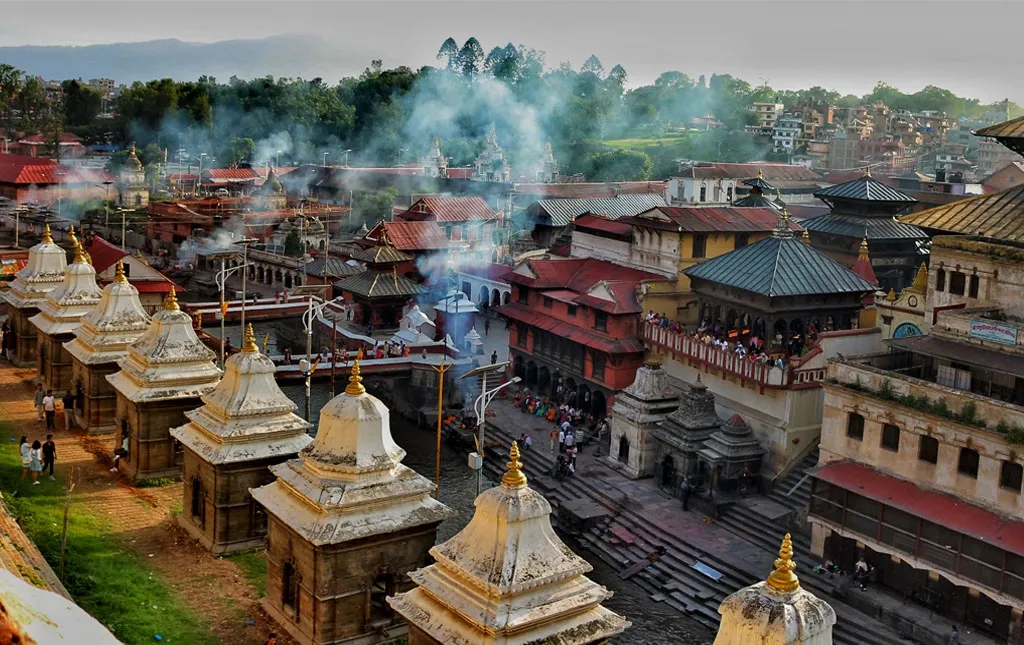
While spiritual tourism focuses on personal growth, religious tourism focuses on faith and devotion. Both are powerful.
Nepal’s sacred temples and pilgrimage circuits create steady visitor flow throughout the year. Sites such as Pashupatinath Temple, Muktinath Temple and Janaki Temple attract domestic and international pilgrims.
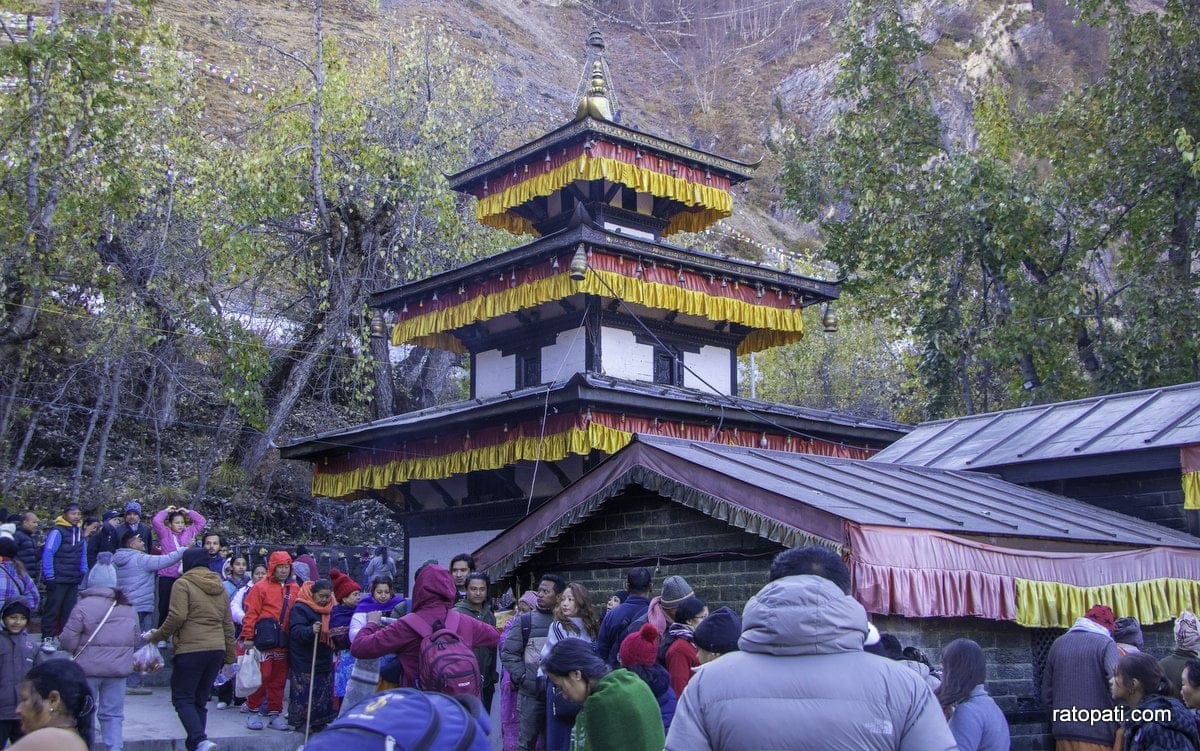
Pilgrimage travel is less affected by seasonal tourism trends. Devotees travel for festivals, rituals, and spiritual milestones regardless of economic cycles. This creates reliable occupancy opportunities for hotels located near religious corridors.
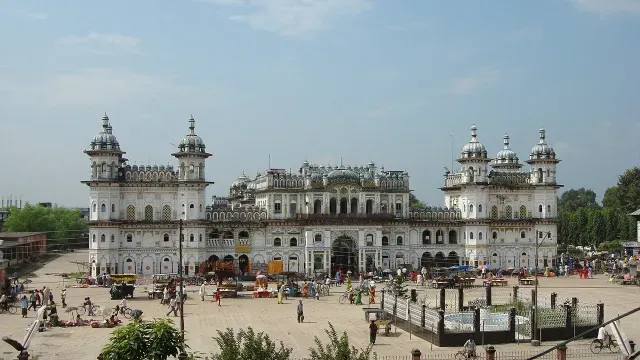
For hotel managers, understanding pilgrimage patterns, festival calendars, and religious customs can significantly improve service personalization.
Long-Term Stay Potential
Unlike adventure tourists who stay for short durations, spiritual travelers often prefer longer stays. Some visitors come for 7 days, 14 days, or even months to practice meditation and yoga.
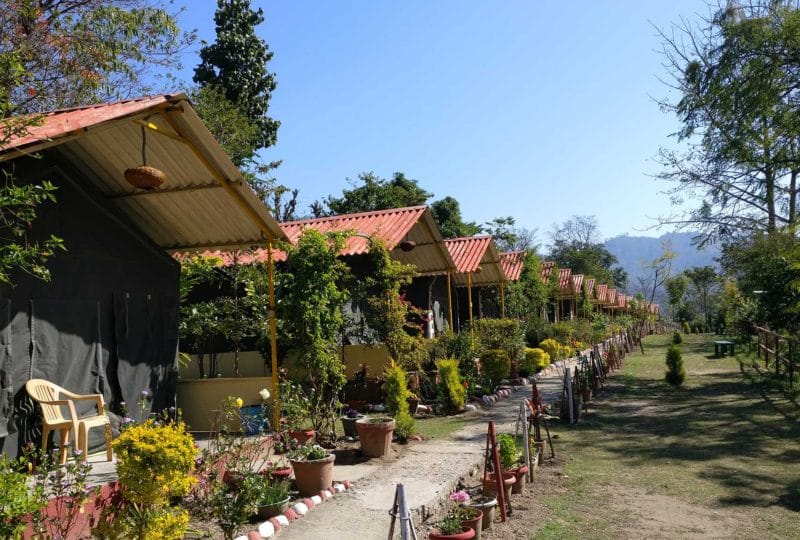
This long-stay model benefits hotels through:
• Stable revenue
• Reduced marketing cost per guest
• Stronger guest relationships
• Word-of-mouth international promotion
Nepal can position itself not only as a travel destination but as a temporary spiritual home.
The Role of Natural Vibes and Water Resources
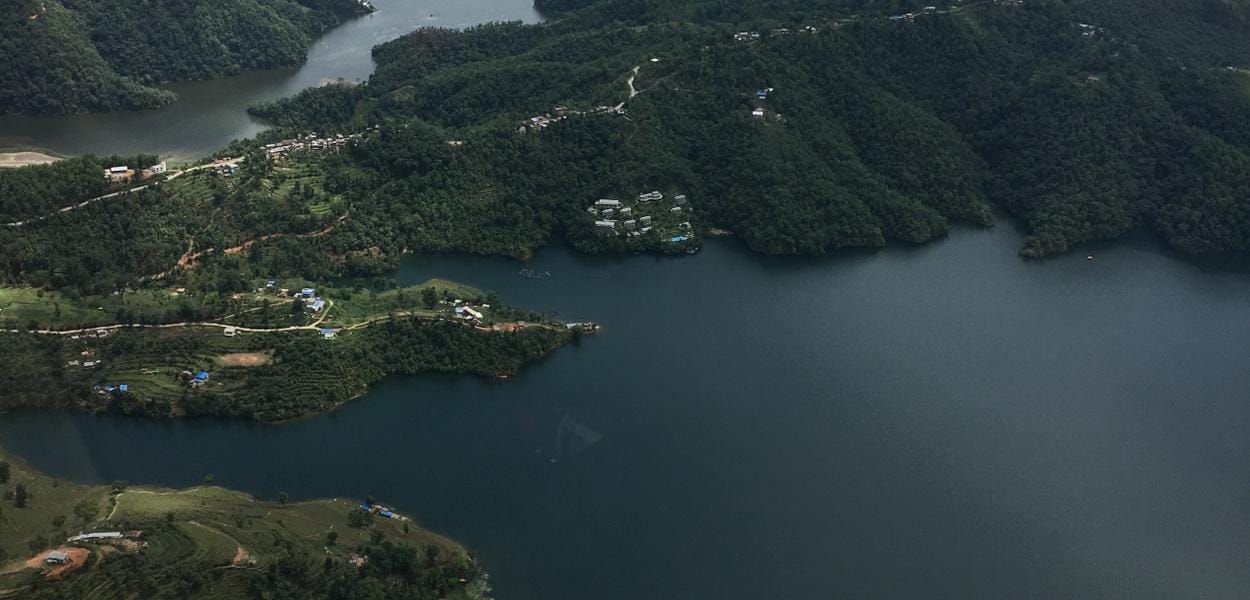
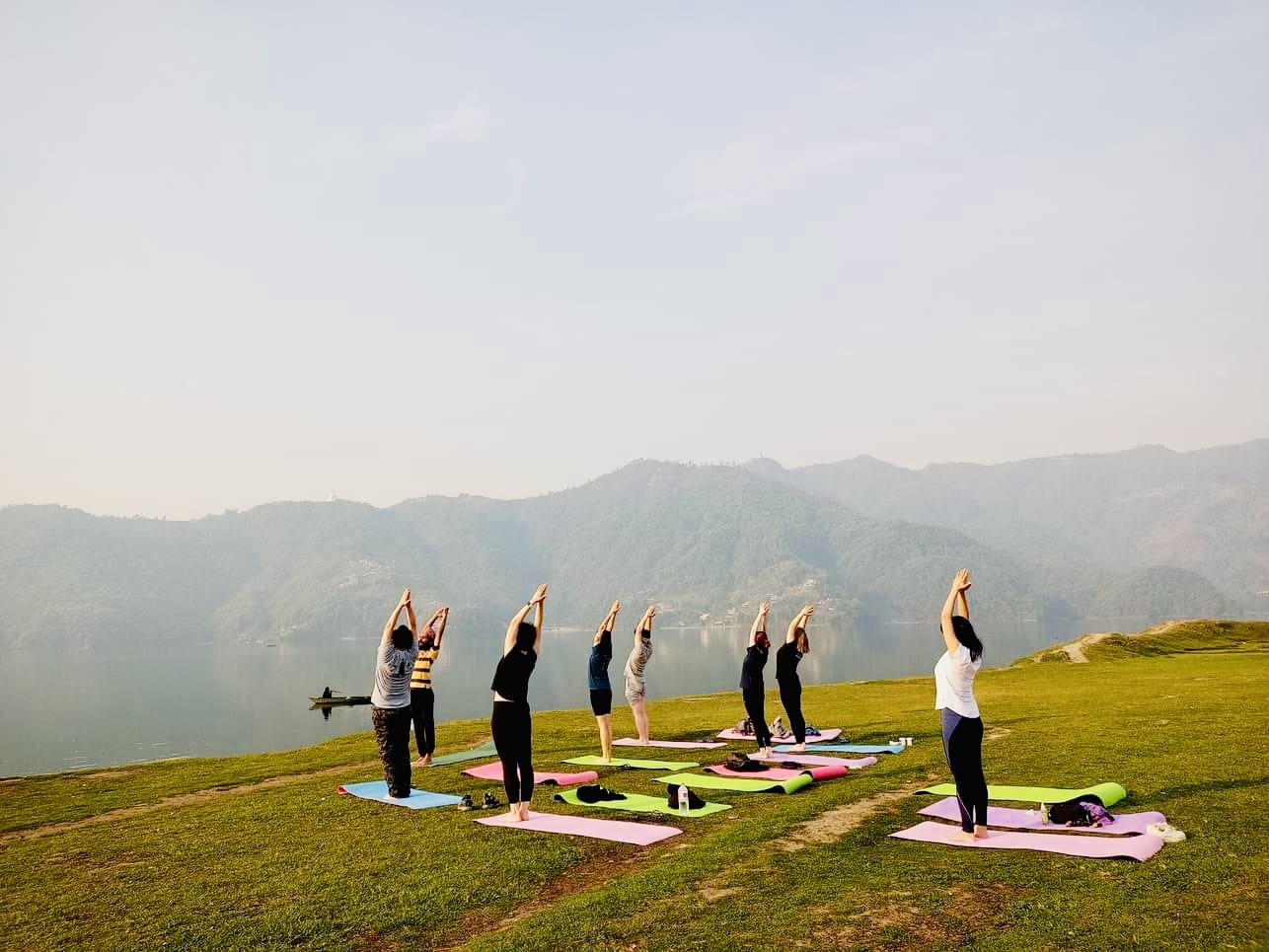
Nepal’s rivers, lakes, waterfalls, and Himalayan landscapes enhance the spiritual experience. Morning meditation beside a river or yoga facing snow peaks creates emotional impact that no artificial wellness center can replicate.
Eco-friendly riverside resorts, forest meditation lodges, and mountain retreat centers can be developed responsibly to preserve natural beauty while supporting local economies.
Water resources also allow hydrotherapy concepts, natural bathing experiences, and peaceful reflection spaces. Nature becomes part of the hospitality design.
What Hotel Management Must Adapt
To fully benefit from religious and spiritual tourism, hotel management in Nepal must evolve in several ways:
Professional retreat program design
Multilingual spiritual guides
Partnerships with yoga instructors and monks
Clean and quiet environments
Sustainable food sourcing
Cultural sensitivity training
Digital marketing targeted at wellness travelers
Spiritual guests value authenticity. Artificial or commercialized experiences can damage credibility.
Hotels must balance comfort with simplicity. Luxury should not disturb the peaceful atmosphere.
Sustainability and Ethical Responsibility
Spiritual tourism must not become over-commercialized. Sacred spaces require preservation. Hotels near temples and monasteries must respect sound levels, waste management, and local traditions.
Eco-conscious construction, renewable energy, and community involvement strengthen both environmental protection and brand value. Conscious travelers prefer destinations that align with ethical values.
Economic Impact and National Positioning
Religious and spiritual tourism has strong multiplier effects. It creates employment for guides, yoga instructors, organic farmers, artisans, transport operators, and wellness therapists.
It also enhances Nepal’s global identity as a peaceful and transformative destination rather than only an adventure destination.
In a world facing emotional stress and social instability, Nepal can offer calmness. That is a powerful national brand.
A Vision for the Future
If Nepal strategically develops spiritual circuits, improves infrastructure near pilgrimage zones, supports quality retreat centers, and markets globally, religious and spiritual tourism can become one of the strongest pillars of hotel management growth.

What is needed now is structured planning, professional hospitality standards, and long-term vision.
Conclusion
Religious and spiritual tourism is not a temporary trend. It is a global shift in travel behavior. As daily life becomes more stressful, people seek peace, purpose, and deeper experiences.
Nepal naturally holds everything required, sacred heritage, Himalayan energy, flowing water, and authentic spiritual traditions.
For hotel management in Nepal, this is more than an opportunity. It is a strategic direction for the future.
If developed responsibly and professionally, Nepal can become a global hub for long-term spiritual living experiences.
The world is searching for peace.
Nepal has the environment to provide it.