From Overthinking to Awareness: Osho’s Cure for Anxiety
The mind prefers to analyze what has already happened or predict what might happen. In this endless movement between yesterday and tomorrow, we lose today. And when we lose the present, anxiety naturally arises.
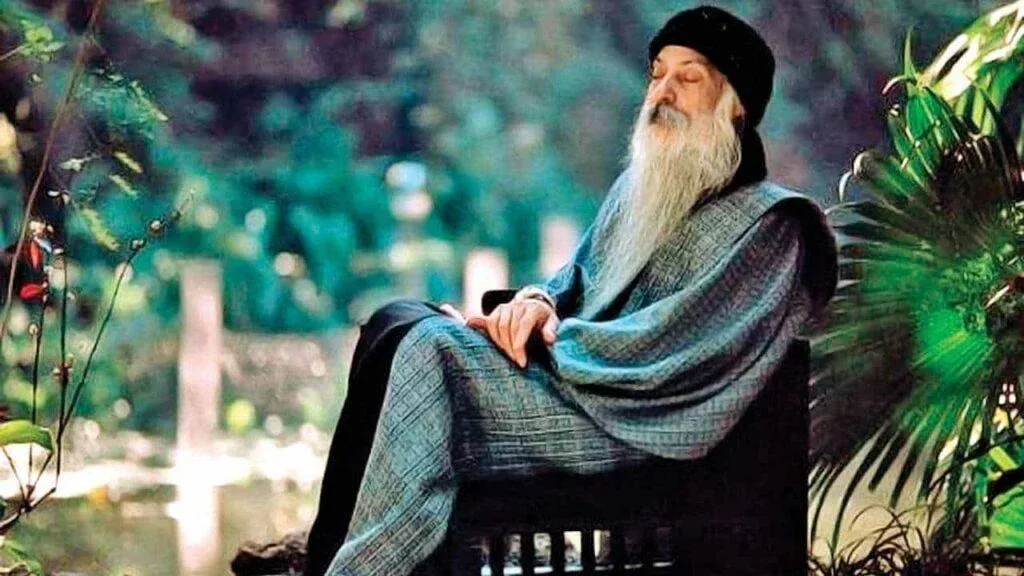
In the modern world, anxiety has become almost a silent epidemic. People wake up already worried about deadlines, money, relationships, expectations, and the future. Even when nothing is immediately wrong, the mind keeps producing thoughts. According to Osho, anxiety is not truly about outer situations. It is about the inner noise of the mind. Life itself is simple, he says, but the mind complicates it through constant thinking.
Osho often explained that the mind is a useful instrument. It helps us plan, calculate, remember, and create. But problems begin when we start living inside the mind instead of using it as a tool. Overthinking turns small concerns into large fears. A simple uncertainty about tomorrow becomes a dramatic mental story. The mind imagines failure, rejection, loss, or disaster, and the body reacts as if these imagined events are real. This is how anxiety slowly builds its power.

Most anxiety is connected to time. We either regret the past or fear the future. Rarely do we stay in the present moment. Osho says that the present is the only reality, but the mind does not like the present because it is uncontrollable and uncertain.
The mind prefers to analyze what has already happened or predict what might happen. In this endless movement between yesterday and tomorrow, we lose today. And when we lose the present, anxiety naturally arises.
One of Osho’s most powerful teachings is about identification. He reminds us that we are not our thoughts. Thoughts are events happening within us, just as clouds move across the sky. But we make a mistake: we believe every thought, and we call it “me.” When a thought says, “You are not good enough,” we feel inferior. When a thought says, “Something bad will happen,” we feel afraid. By identifying with every mental movement, we become trapped in a continuous cycle of emotional ups and downs.

Osho’s solution is not to fight the mind, but to become aware of it. He calls this state “witnessing.” Witnessing means observing your thoughts, emotions, and sensations without judgment. Instead of saying, “I am anxious,” you simply notice, “Anxiety is present.” This small shift creates distance. You move from being inside the storm to watching the storm. And once you are the watcher, the storm loses its intensity.
 Swami Devraj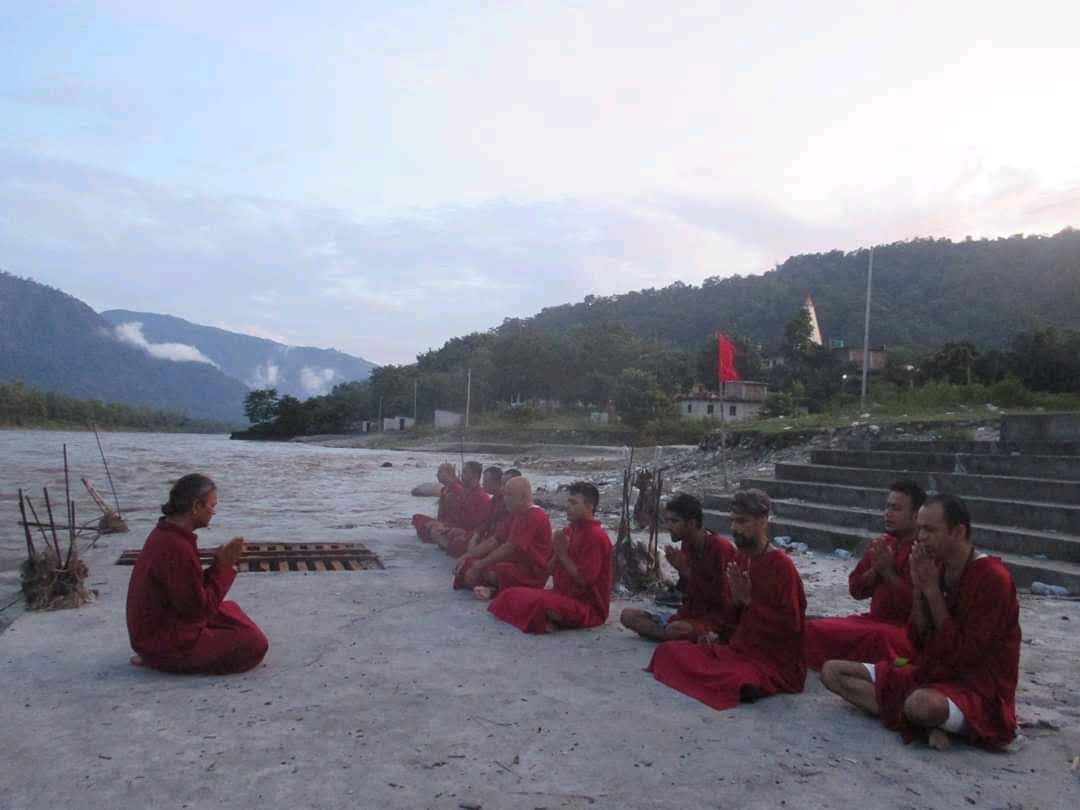
Meditation, in Osho’s understanding, is not about forcing the mind to be silent. It is about watching whatever is happening. If thoughts are there, watch them. If emotions arise, watch them. If restlessness appears, watch that too. The more you observe without interference, the more the mind begins to slow down naturally. Silence is not created by force; it happens when observation becomes deep and steady.

Osho also introduced active meditation techniques, such as Dynamic Meditation, because he understood that modern people carry suppressed emotions and tension. Before sitting silently, sometimes it is necessary to release stress through movement, breathing, or expression. Once the body and emotions are lighter, sitting in awareness becomes easier. In this relaxed state, anxiety starts to dissolve, not because life has changed, but because your relationship with your mind has changed.
As awareness grows, a new quality enters life. You begin to respond rather than react. Situations that once triggered panic now feel manageable. Even uncertainty becomes acceptable. Osho says that life is unpredictable by nature, and trying to control it creates suffering. Awareness teaches acceptance. When you accept the present moment fully, anxiety has no ground to stand on.

Gradually, you realize that peace is not something to achieve in the future. It is already within you, hidden beneath layers of thoughts. When thinking slows down and witnessing deepens, a natural calm emerges. This calm is not excitement, not emotional happiness, but a steady inner balance. From this balance, clarity arises. Decisions become simpler. Relationships become more authentic. Actions become more conscious.
Osho’s message is ultimately about freedom. Freedom from compulsive thinking. Freedom from fear of the future. Freedom from the prison of the past. The cure for anxiety, according to him, is not external success or perfect security. It is awareness. When you shift from overthinking to witnessing, from mental noise to silent observation, you discover that the anxiety you once feared was only a shadow created by the mind.

In the end, the journey from overthinking to awareness is a journey back to yourself. It is the realization that you are not the restless mind, but the silent presence behind it. And in that presence, there is peace.