From Atithi Devo Bhava to International Professionalism: The Evolution of Nepali Hospitality

Hospitality as Identity, Not Industry
In Nepal, hospitality did not begin as a commercial enterprise. It began as a cultural identity. The philosophy of Atithi Devo Bhava-“The Guest is God”-has shaped social behavior, family upbringing, and community values for generations. Welcoming a guest with respect, offering the best available food, and ensuring comfort were moral responsibilities long before tourism became an economic sector.
This cultural base gave Nepal a natural advantage when tourism started expanding. Travelers did not only visit for mountains or temples; they came for human connection. However, as international tourism grew, expectations changed. Guests began comparing service standards globally. Hospitality was no longer judged only by warmth, but also by efficiency, safety, hygiene, communication, and consistency.
The evolution of Nepali hospitality is therefore a journey from cultural instinct to professional system, from emotional service to structured excellence.
Phase One: The Cultural Era of Hospitality
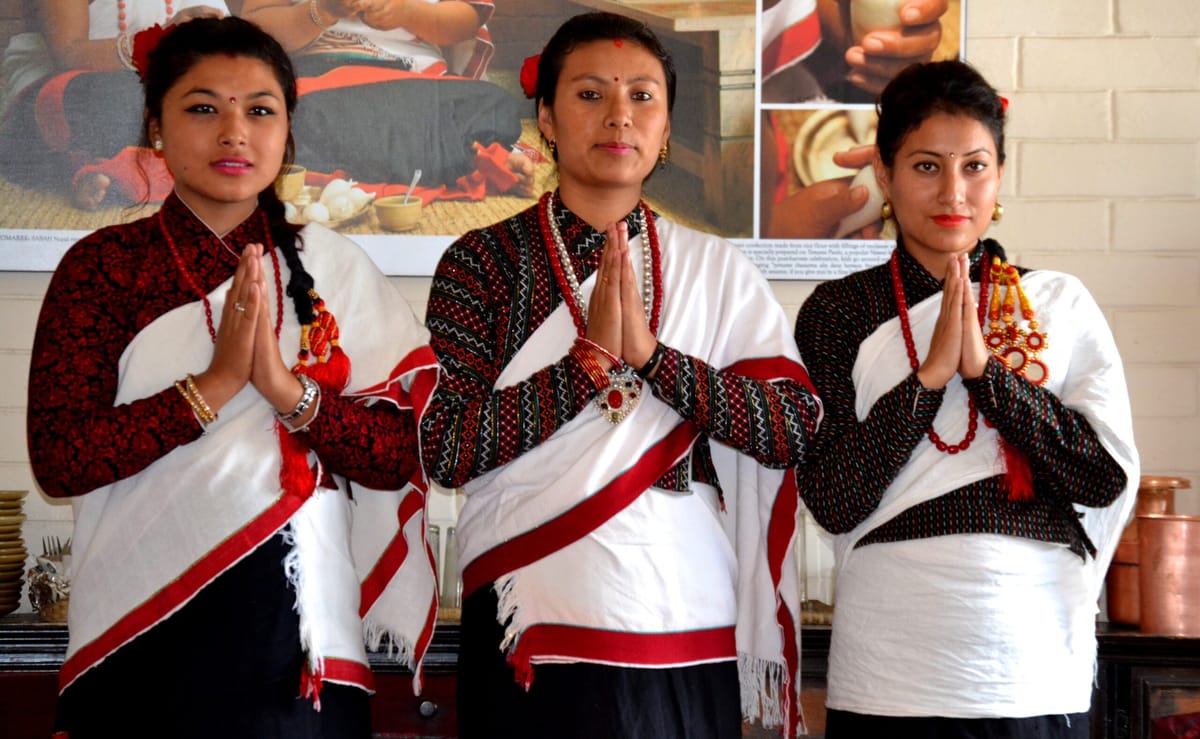
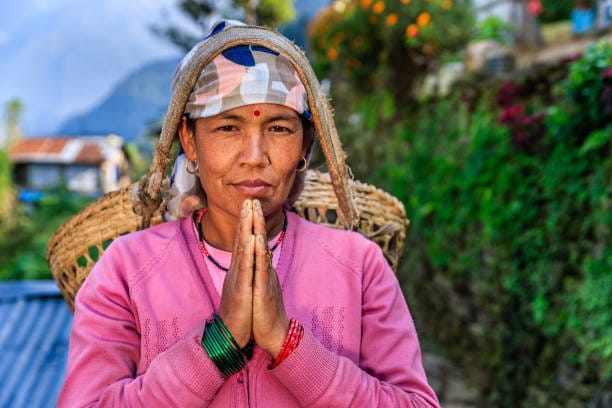
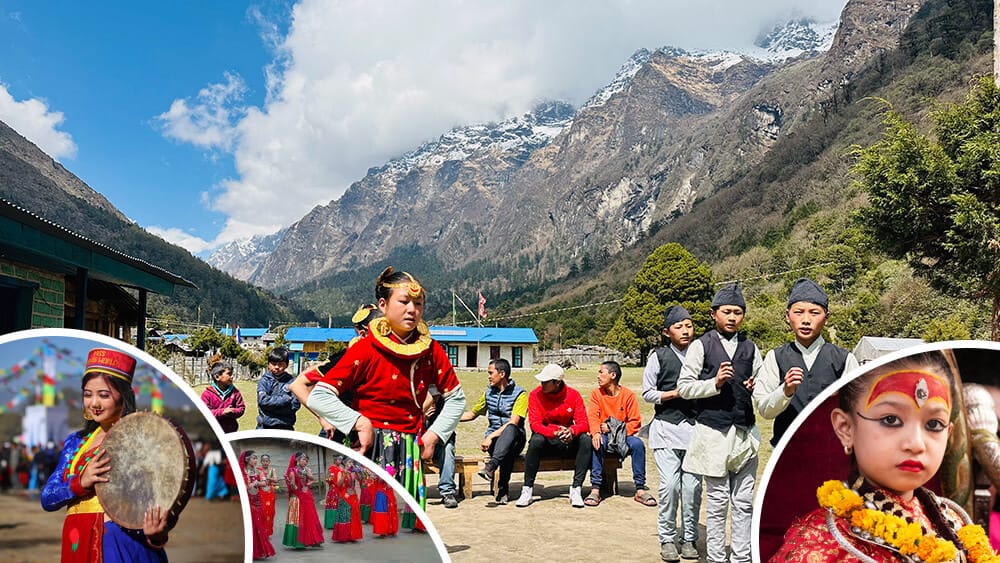
For centuries, hospitality in Nepal functioned within homes, monasteries, and village communities. Service was not measured in ratings or reviews. It was measured in sincerity. Guests were offered traditional meals, cultural rituals, and personal attention. The greeting of “Namaste,” accompanied by folded hands and eye contact, symbolized humility and equality.
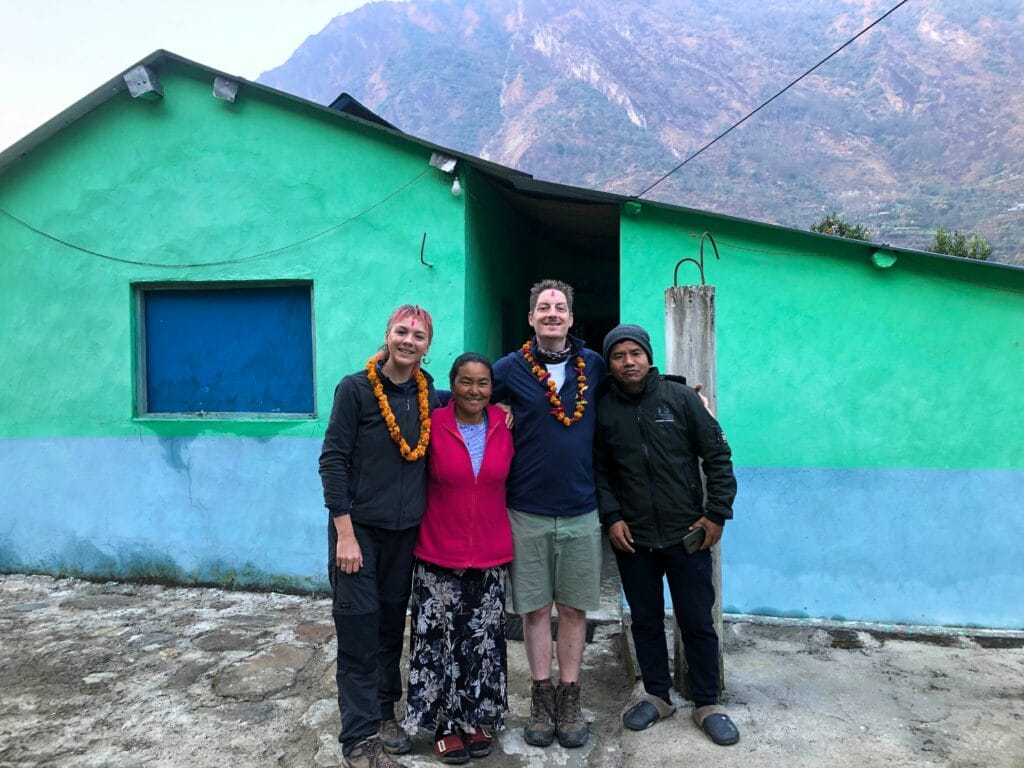
In rural areas, visitors often experienced life as part of the family. They participated in farming, festivals, and religious ceremonies. The service was authentic because it was unscripted. There were no Standard Operating Procedures, no corporate branding guidelines, and no formal training manuals.
The strengths of this era were clear. Nepali hospitality developed emotional intelligence, empathy, and adaptability. Hosts could adjust naturally to guest needs. The focus was on relationship-building rather than transaction.
However, limitations also existed. Service quality depended heavily on the individual host. There was no uniformity across regions. Hygiene practices varied. Communication barriers were common. Safety protocols were informal. While warmth was consistent, operational reliability was not.
Phase Two: The Tourism Expansion Period

With Nepal opening its borders to international travelers in the mid-20th century, tourism began to transform into a structured industry. Trekking routes, heritage tours, and mountaineering expeditions attracted global visitors. As visitor numbers increased, accommodation facilities expanded from guesthouses to star-rated hotels.

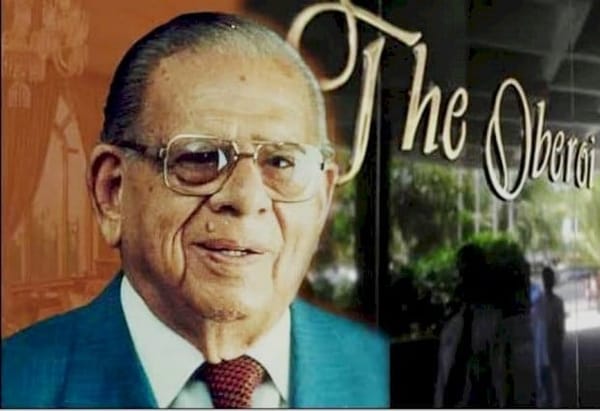
The introduction of international hotel brands such as Hyatt Regency and Marriott International marked a significant milestone. These organizations brought global benchmarks, including:
- Defined service standards
- Uniform grooming codes
- Structured training programs
- Safety and hygiene audits
- Digital reservation systems
Hospitality began shifting from informal service to professional management. Performance was measured. Guest satisfaction surveys became common. Financial accountability increased.
This period introduced discipline into the industry. However, it also highlighted the gap between traditional service style and international professionalism.
Phase Three: Education and Skill Development
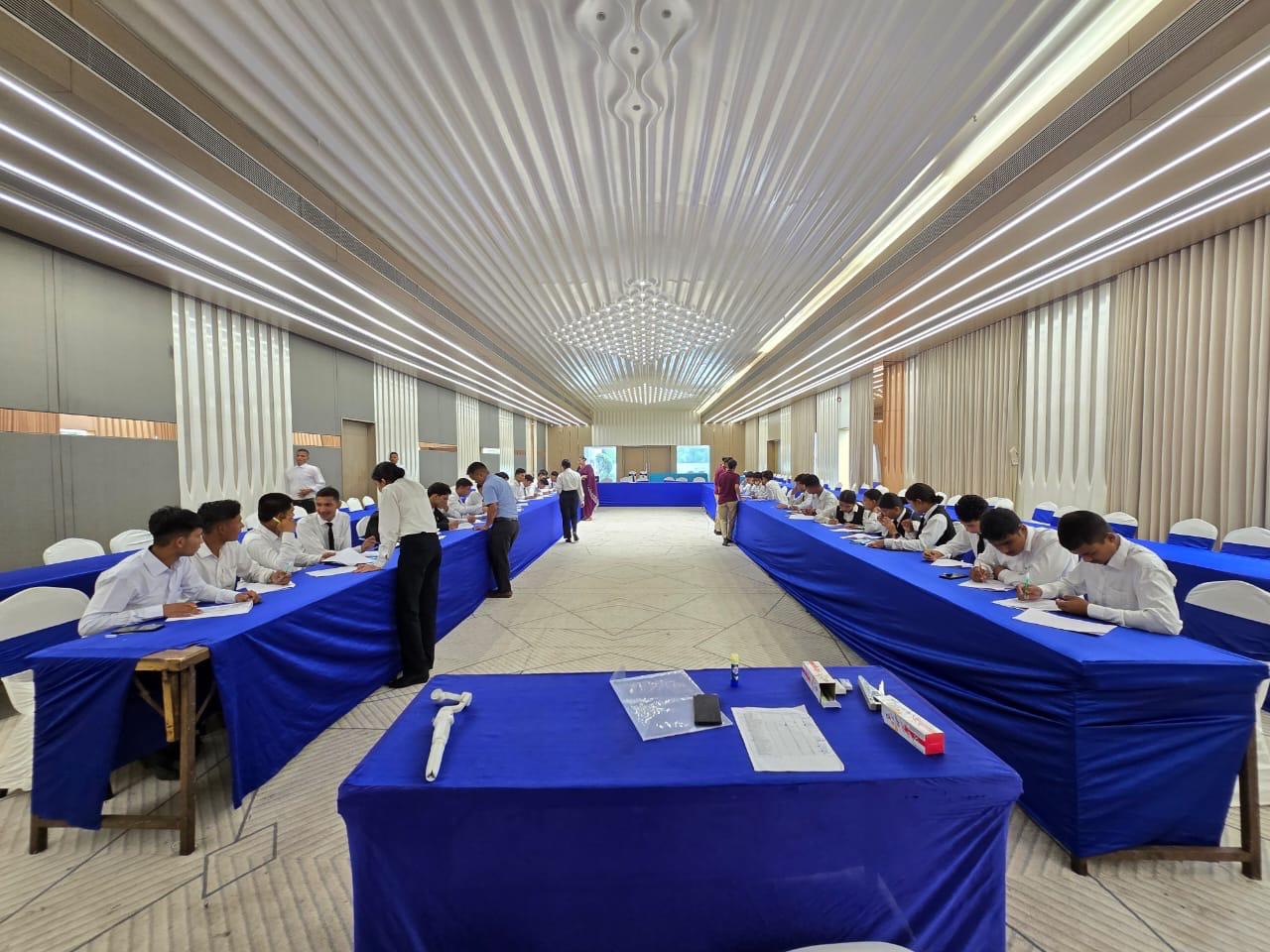
As tourism grew, the need for trained professionals became urgent. Hotel management institutes and hospitality colleges emerged across Nepal. These institutions introduced structured learning in:
- Front office operations
- Food production and culinary arts
- Housekeeping management
- Food and beverage service
- Hospitality law and ethics
- Communication and personality development
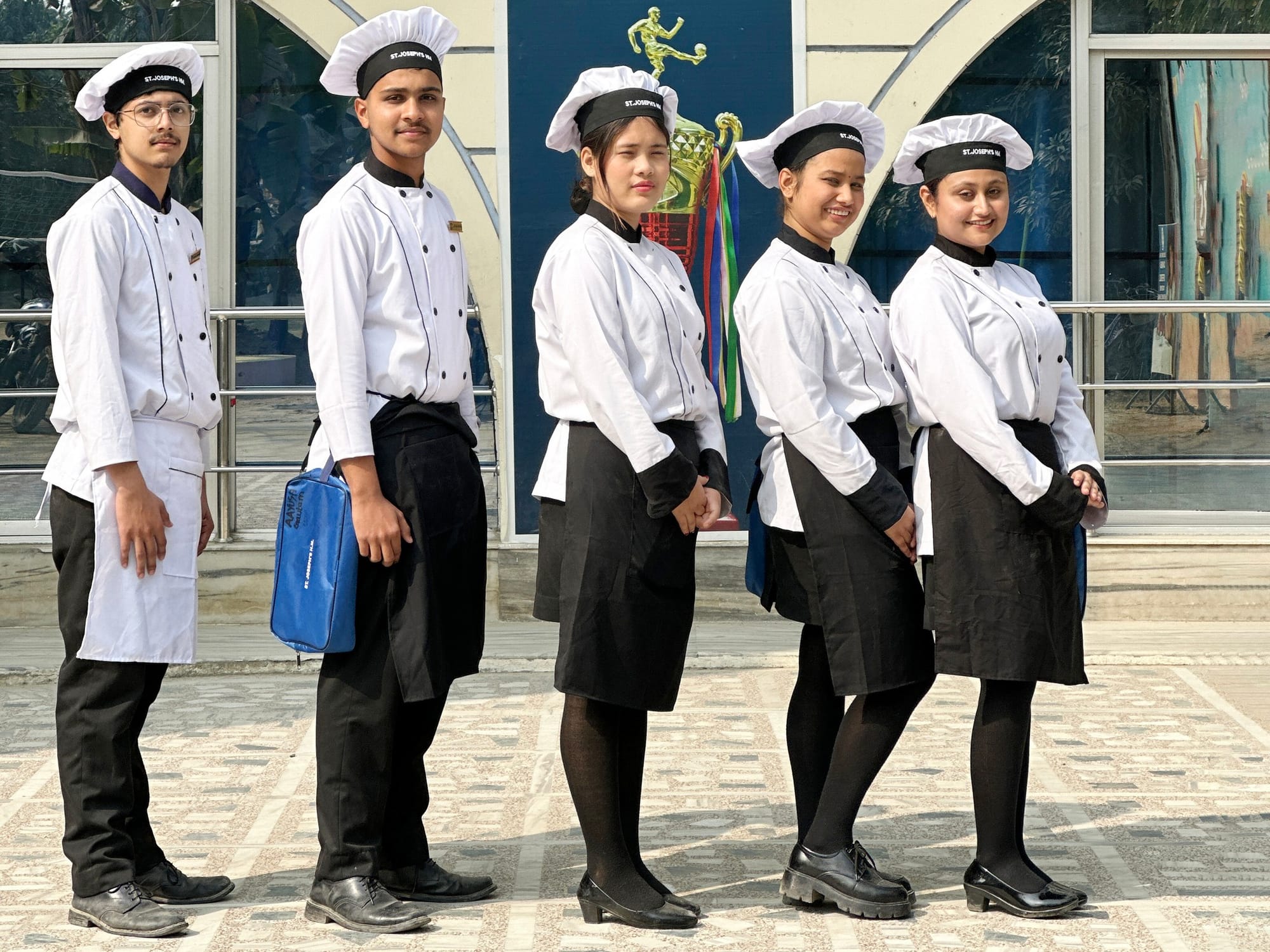
Students began learning international service etiquette, grooming standards, and customer psychology. Internships in branded hotels exposed them to disciplined work environments. Exposure to global hospitality systems gradually influenced local practices.
Education became the bridge between culture and professionalism. Students were taught to preserve traditional warmth while mastering international standards.
Despite progress, challenges remain. Communication skills, leadership confidence, crisis management training, and technological adaptability require continuous strengthening. The quality of education must align with international benchmarks to ensure competitiveness.
The Core Differences: Emotion Versus System
Traditional Nepali hospitality operates from the heart. International professionalism operates from a system.
Emotion ensures connection.
System ensures consistency.
Emotion builds loyalty.
System builds reliability.
Emotion creates memorability.
System creates sustainability.
The challenge is not choosing one over the other. The challenge is integrating both.
A guest may appreciate a heartfelt welcome ceremony, but they also expect efficient check-in procedures. They value cultural storytelling, but they also expect strict hygiene standards. They enjoy personal care, but they require security assurance.
Professionalism does not eliminate warmth. Instead, it protects and supports it.
Infrastructure as a Foundation of Professionalism
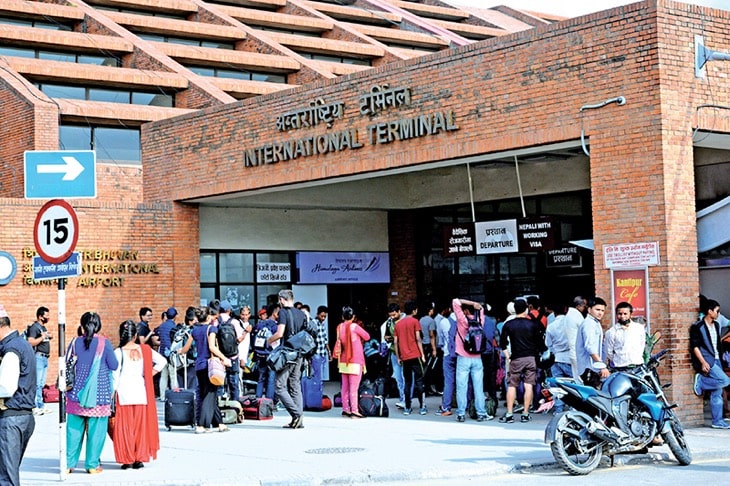
Hospitality is not limited to hotel walls. The overall tourism ecosystem plays a crucial role in guest satisfaction. International visitors evaluate their experience from the moment they book a flight to the time they depart.
Efficient airport management, road safety, reliable transportation, and emergency response systems directly influence perception. If infrastructure lacks efficiency, even high-quality hotel service cannot fully compensate.
Professional hospitality requires national alignment. Government policies, tourism boards, and private sector collaboration must work together. Investment in safety, cleanliness, and digital connectivity strengthens global trust.
The Digital Transformation of Nepali Hospitality

The modern hospitality industry is increasingly technology-driven. Guests expect online booking systems, instant confirmations, digital payment options, and quick email communication. Reviews on global platforms significantly influence reputation.
Nepali hospitality has gradually embraced digital tools, but integration remains uneven. Professionalism today includes:
- Property management systems
- Customer relationship management software
- Online reputation monitoring
- Data-driven decision making
- Social media engagement
Technology improves efficiency and reduces operational errors. When combined with cultural warmth, it enhances the overall experience.
Grooming, Communication, and Global Etiquette
International professionalism places strong emphasis on presentation. Grooming reflects discipline and brand identity. Posture, uniform standards, voice modulation, and eye contact communicate confidence.
Communication skills are equally critical. Fluency in English and other foreign languages increases service effectiveness. Understanding cross-cultural behavior prevents misunderstandings. Professional language builds trust.
Nepali hospitality professionals must view grooming and communication not as artificial requirements but as expressions of respect for global guests.
Sustainability and Ethical Responsibility

Global tourism increasingly prioritizes sustainability. Environmental protection, waste management, energy conservation, and community engagement are no longer optional. They are expectations.
Nepal’s natural resources and cultural heritage create strong potential for responsible tourism. However, sustainability must be institutionalized through measurable policies and transparent reporting.
International professionalism includes environmental accountability. Hotels must adopt green practices, minimize waste, and support local communities.
Leadership and Vision for the Future

The next phase of evolution depends on leadership. Hospitality managers must think strategically, not only operationally. They must analyze global trends, anticipate risks, and innovate continuously.
Leadership development programs, international collaborations, and global exposure are necessary. Young professionals must be encouraged to think beyond traditional boundaries.
Nepal’s future in hospitality depends on visionary leaders who can protect cultural identity while embracing global discipline.
The Hybrid Model: A Unique Nepali Standard
The ideal evolution of Nepali hospitality lies in developing a hybrid model. This model would integrate:
- Cultural authenticity
- Structured service systems
- Digital efficiency
- Sustainable operations
- Skilled and confident professionals
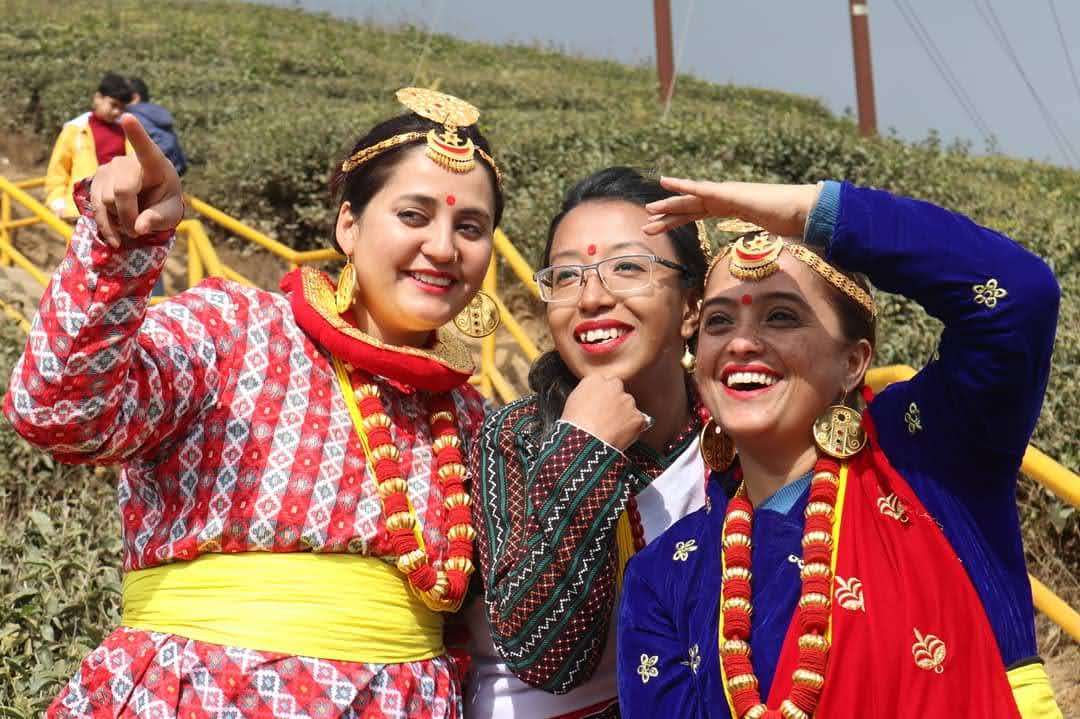
Imagine a guest welcomed with traditional tika at arrival, guided through a seamless digital check-in, served with professional etiquette, and supported by advanced safety systems. This combination would create a powerful competitive advantage.
Nepal does not need to imitate other countries. It can design its own professional framework rooted in tradition.
Conclusion: An Ongoing Transformation

The journey from Atithi Devo Bhava to international professionalism represents growth, not replacement. It reflects Nepal’s adaptation to a globalized world while preserving cultural essence.
Nepali hospitality began with emotional sincerity. It is now evolving into structured excellence. The transformation requires continuous education, infrastructure development, technological integration, sustainability commitment, and leadership vision.
If Nepal successfully harmonizes its cultural soul with global standards, it can become a model of emotionally intelligent professionalism, an example of how tradition and modernity can coexist productively.
The evolution is ongoing. The opportunity is significant. With strategic direction and collective commitment, Nepali hospitality can confidently claim its place on the international stage while remaining deeply rooted in its timeless philosophy.