Dandruff Demystified: Causes, Cures, and Why Your Scalp Flakes in Winter

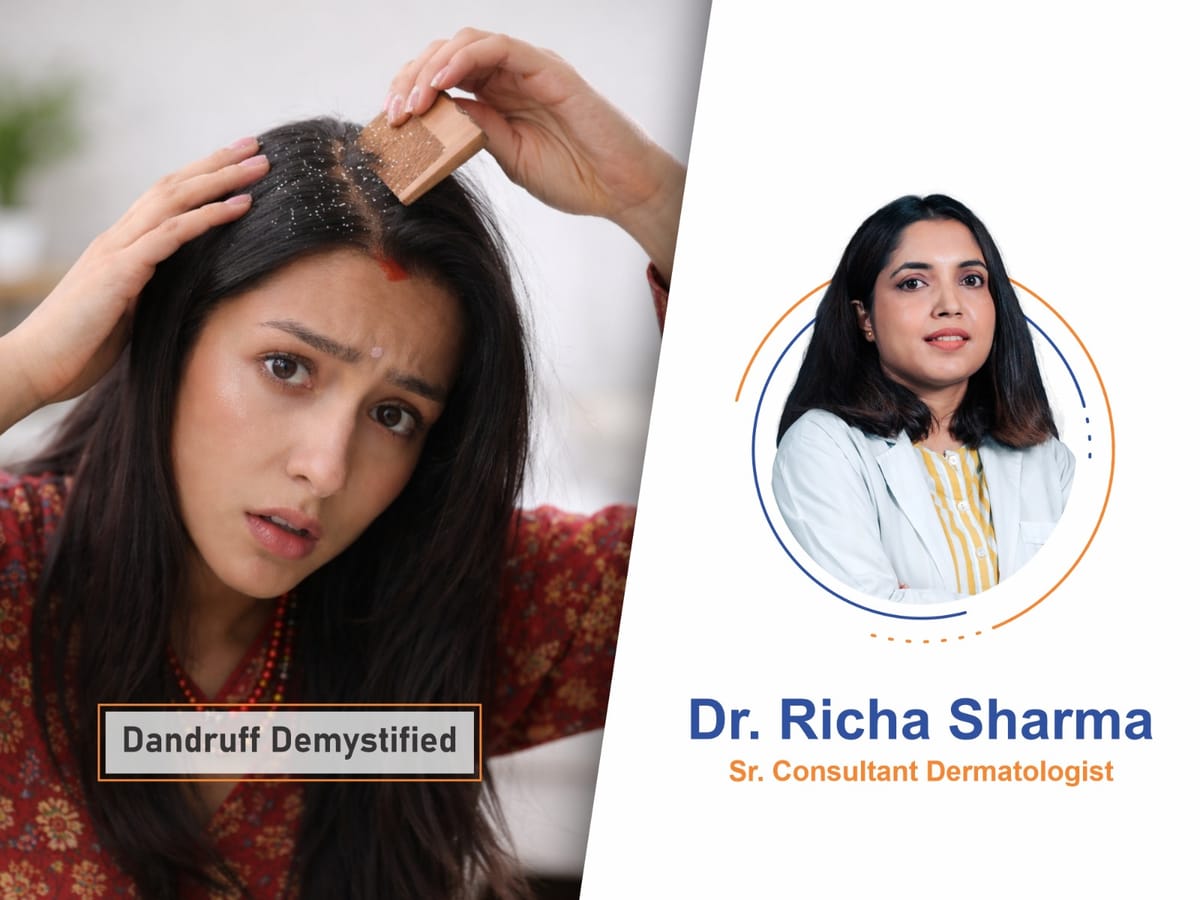
Hair is often considered a crowning glory, a key component of our overall attractiveness. However, for many, this beauty is marred by the persistent annoyance of dandruff especially during the colder months.
Dandruff is a common scalp condition that causes small, white, flaky patches of dead skin to shed. While it can occur year-round, it often intensifies in winter, leading to frustrating and relentless itching. Understanding what causes dandruff is the first step toward effective treatment.
What Exactly is Dandruff?
Dandruff is fundamentally related to the natural cycle of skin cell renewal on the scalp. When this process speeds up, clusters of dead skin cells become visible as flakes.
Dandruff generally manifests in two main ways:
- Oily/Greasy Dandruff: Caused by excessive oil production on the scalp.
- Fungal Dandruff: Often triggered by an overgrowth of a yeast-like fungus naturally present on the skin, known as Malassezia.
While it is often asked if dandruff is contagious, the fungal infection is usually due to an imbalance within one's own body rather than being spread from others. Hormonal changes, genetic predispositions, high stress levels, or underlying health issues like a fever can also trigger flaking.
Primary Causes Behind Your Flaky Scalp
Dandruff often worsens in the winter due to the dry environment, but several underlying factors contribute to the problem:
- Sebum Overproduction (Oily Scalp): Excessive oil creates a breeding ground for fungi like Malassezia to thrive, leading to more flaking.
- Fungal Infection (Malassezia Fungus): An imbalance of this naturally occurring fungus accelerates skin cell turnover, causing the characteristic flakes.
- Poor Hygiene: Infrequent shampooing or leaving excessive oil and styling products on the scalp allows fungi to grow.
- Dry Scalp: Cold weather, frequent washing, or using harsh shampoos can strip the scalp of moisture, leading to dry skin flakes.
- Stress: Mental stress disrupts the body’s hormonal balance, negatively impacting overall skin health and triggering flare-ups.
- Use of Wrong Products: Shampoos, gels, or hairsprays containing harsh chemicals can cause irritation, allergic reactions, and scalp inflammation.
- Nutritional Deficiencies: A lack of essential nutrients, particularly Vitamin B, Zinc, and Omega-3 fatty acids, can weaken scalp health.
Effective Treatment Strategies
Treating dandruff requires consistency and the right approach:
1. Use the Right Shampoo
Use an anti-fungal or medicated shampoo containing active ingredients such as:
- Ketoconazole
- Zinc Pyrithione
- Selenium Sulfide
- Coal Tar
Use these shampoos 2 to 3 times per week initially.
2. The Step-Down Method
Once symptoms subside, do not stop using the anti-fungal shampoo abruptly. Use this tapering method to prevent recurrence:
- Use once a week until symptoms are completely gone.
- Then, use once a month.
- Finally, discontinue use completely when the scalp is stable.
3. Maintain Scalp Cleanliness
Avoid going many days without washing your hair, as this encourages fungal growth. Use a mild shampoo on days when you sweat excessively.
4. Avoid Excessive Oil Application
Applying too much oil can trap the fungus on the scalp, worsening the problem.
Essential Prevention Tips for a Healthy Scalp
To minimize the chances of dandruff returning, incorporate these lifestyle changes:
- Avoid prolonged periods of leaving oil or not washing your hair.
- Be Mindful of Conditioning: Apply conditioner only to the hair shaft, not directly onto the scalp.
- Do not comb or brush wet hair.
- Stay Hydrated: Drink plenty of water.
- Adjust Shower Temperature: Reduce the habit of using excessively hot water, especially in cold weather.
- Boost Your Diet: Ensure adequate intake of Vitamin D, Zinc, and Omega-3 rich foods (eggs, fish, yogurt, nuts, green leafy vegetables).
When to Consult a Specialist
While most cases of dandruff can be managed with medicated shampoos, seek immediate attention from a dermatologist if you notice:
- Excessive itching or redness because that can be the symptoms of other chronic disease like Psoriasis.
- Sores, scabs, or lesions forming on the scalp.
- No improvement even after using an anti-fungal shampoo consistently for 2–3 weeks.