Cuisines and Food Culture of Nepal


A Deep Journey into Tradition, Geography, Ritual, and Everyday Life
Nepal is a country where food is more than nourishment; it is memory, identity, ritual, geography, and emotion. From the snowy Himalayas to the fertile plains of the Terai, every region carries its own taste, ingredients, cooking style, and food philosophy. The diversity of Nepal’s cuisine reflects the diversity of its people. Different ethnic communities, castes, and regions prepare food according to climate, culture, and belief. What binds them together is simplicity, warmth, and hospitality.
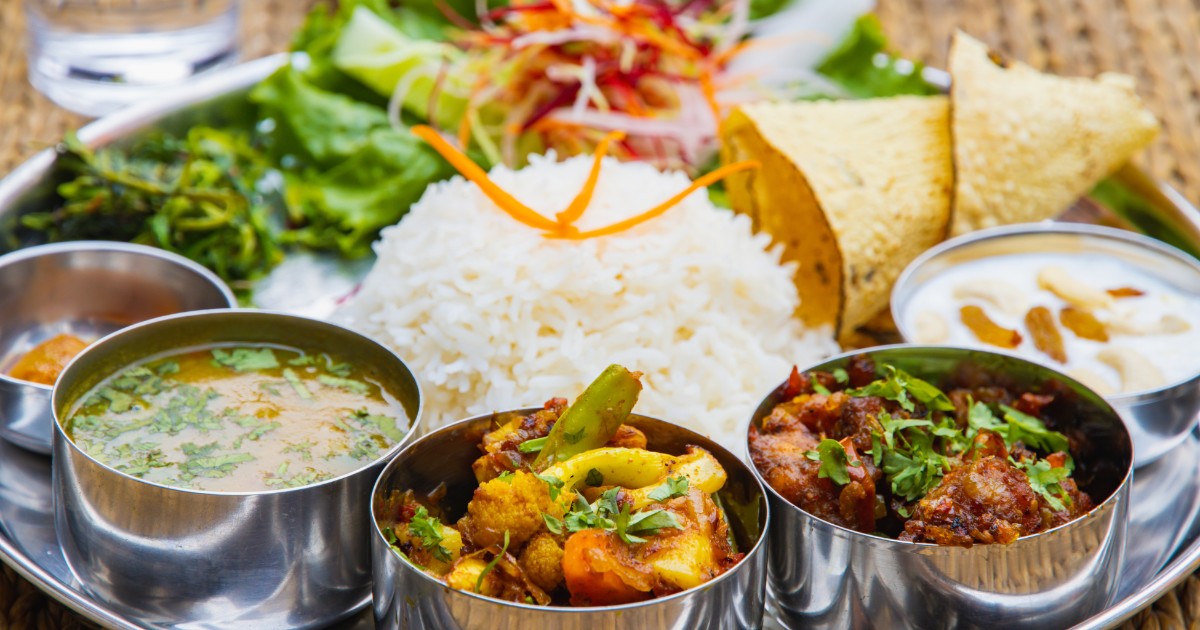
For most Nepalis, a day feels incomplete without dal, bhaat, and tarkari. This simple yet satisfying combination of lentil soup, steamed rice, and vegetable curry forms the backbone of everyday life. Whether in a village home in the hills or a modern apartment in Kathmandu, dal bhaat is eaten daily, often twice a day.
It is not just food; it is comfort. Alongside it, there may be seasonal saag, homemade achar, papad, curd, or occasionally meat. The spices are balanced and aromatic but not overpowering.
Turmeric, cumin, coriander, garlic, ginger, and mustard oil define the base flavors. The taste is usually mild compared to heavily spiced cuisines, allowing natural ingredients to shine.
Leafy greens hold a special place in Nepali kitchens. Rayo saag, methi saag, tori ko saag, chamsur, and niguro are widely enjoyed.
Niguro, known as fiddlehead fern, is especially loved in the hills. These greens are seasonal and connect people to the agricultural rhythm of the land. Eating seasonal food is part of the cultural habit in Nepal.
In the Kathmandu Valley, the culinary heritage of the Newar community stands out for its richness and complexity. Newari cuisine is deeply ceremonial and artistic.
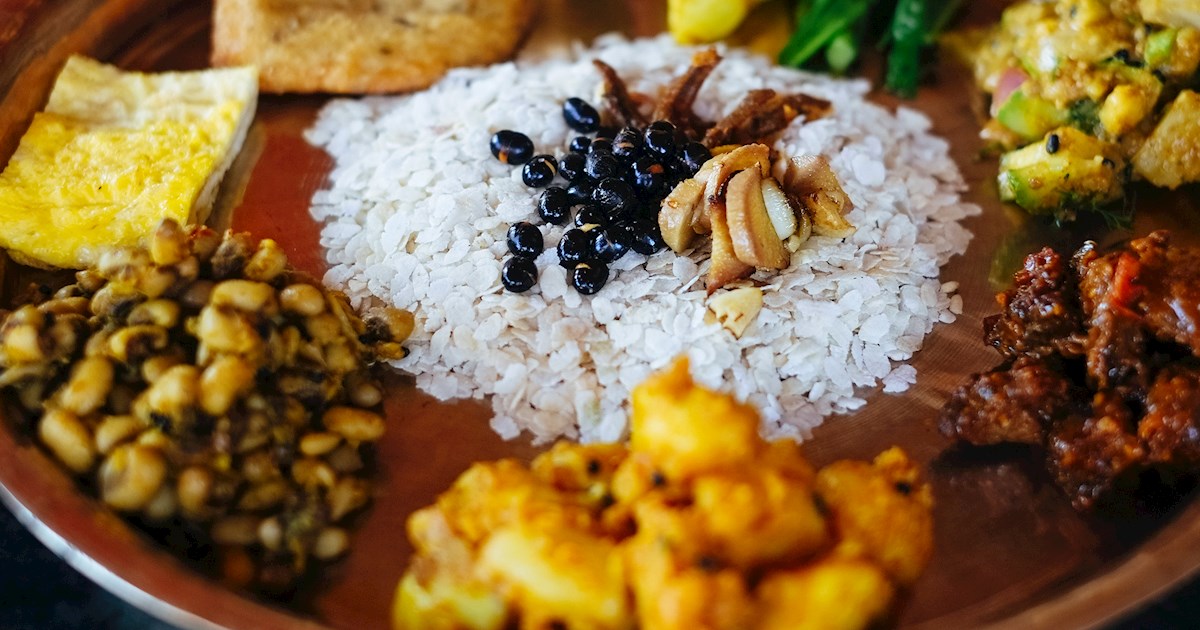
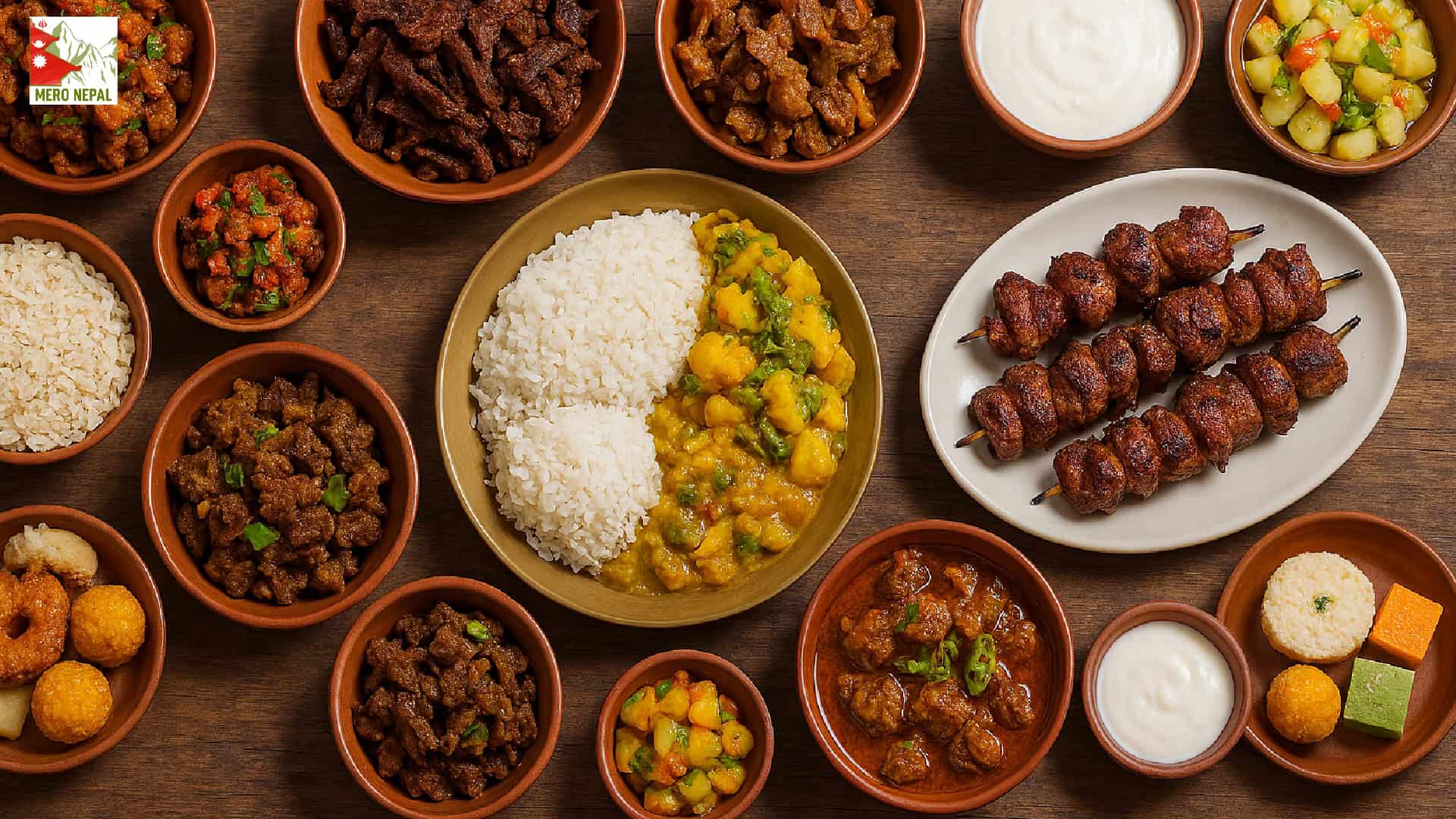
A traditional Newari feast, often called Samay Baji, is not just a meal but a cultural event. It may include beaten rice, spiced buffalo meat, choila, bara, boiled eggs, pickles, and fermented vegetables arranged beautifully on a platter.
The Newars are known for their ability to prepare meat in various forms and for their elaborate food rituals during festivals, weddings, and religious ceremonies. Buffalo meat is commonly used, and the preparation methods are detailed and traditional, preserving flavors passed down through generations.
Moving toward the Terai region, the food culture changes with the geography. The Tharu community has its own distinctive cuisine shaped by the plains and river systems. Rice, fish, and locally grown vegetables dominate the diet. Mustard oil, garlic, and green chilies are frequently used.
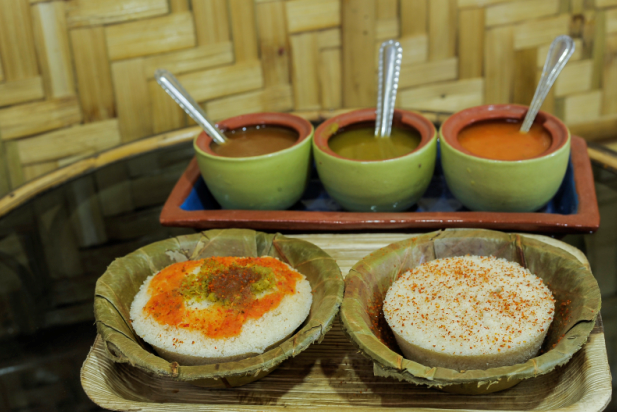
The food feels earthy and connected to the land. In winter, dishes like vakka become popular. Vakka is a soft steamed rice flour preparation that provides warmth and comfort during cold mornings. It reflects how climate influences food choices.
In the eastern Terai, the Mithila community follows a culinary tradition that is often vegetarian and satvik, especially during religious periods. Their dishes are simple, light, and balanced. Curd, lentils, vegetables, and mild spices define the flavor. Food is closely connected to ritual purity and seasonal cycles.
Among Brahmin and Chhetri communities, food during religious pooja carries spiritual significance. The Brahmin and Chhetri cultures prepare satvik meals that are mild, pure, and free from excessive spices. During ceremonies, sel roti is almost always present.
This traditional ring-shaped rice bread, deep-fried until golden, symbolizes celebration and blessing. It is served with puri, vegetable curry, achar, and kheer.
The kheer is plain and simple, made from rice, milk, and sugar, without heavy flavoring. Another special dish is dhakani, rice sautéed gently in pure ghee, milk, and sugar. Dhakani and kheer are often eaten with potato-based dishes like Nepali-style aalu dum.
Kakra, alu, mula ko achar, prepared from grated cucumber and radish mixed with boiled potato, coriander, onion, green chili, and finished with a tempering of methi and mustard oil, adds freshness and balance to the plate.
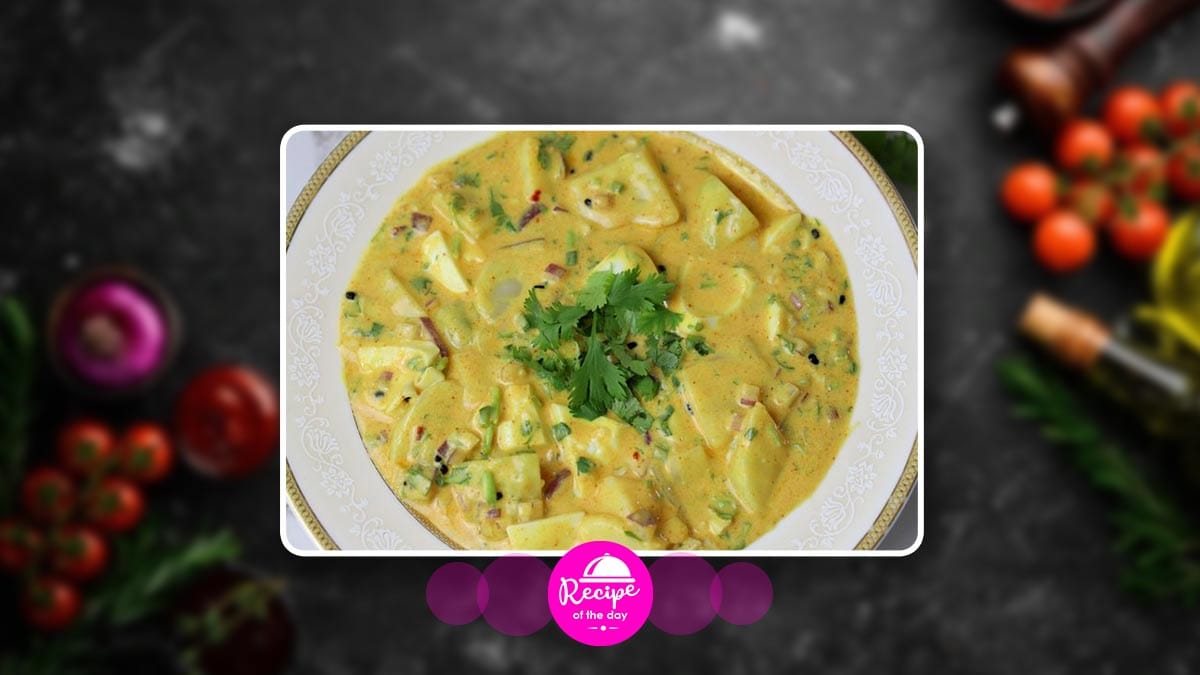
Chukauni is another beloved traditional dish that holds a special place in Nepali households, particularly in the hill regions. It is prepared by mixing boiled and sliced potatoes with thick curd, finely chopped onions, green chilies, turmeric, salt, and a generous drizzle of mustard oil.
In many households, roasted sesame seeds are added to enhance both texture and flavor. The taste of chukauni is creamy, mildly spicy, and slightly tangy, creating a perfect balance that complements dal bhaat beautifully.
It is commonly served during family gatherings, religious ceremonies, and festive meals, reflecting the simplicity and comfort that define Nepali cuisine.
Though simple in preparation, chukauni carries warmth, tradition, and a strong connection to home-style cooking.
Festivals in Nepal transform kitchens into spaces of abundance. During Dashain and Tihar, different communities prepare meat according to tradition. Brahmin and Chhetri families may sacrifice goats and prepare mutton dishes.
Newar families often prepare buffalo meat. Rai and Limbu communities may prepare pork. Food during festivals strengthens family bonds and honors ancestral customs.
Each caste and ethnic group follows its own method of preparation and sharing, reflecting deep-rooted cultural identity.
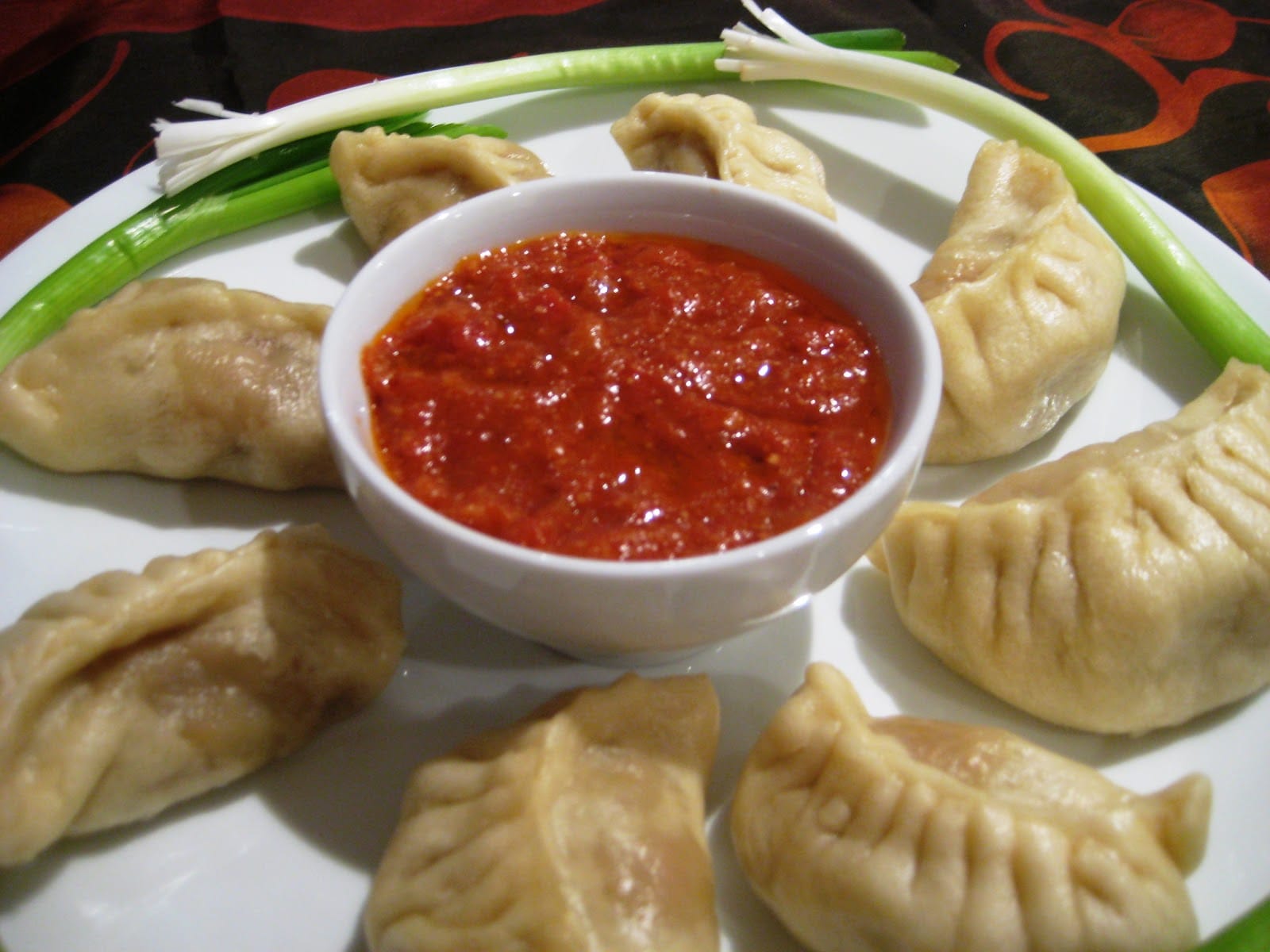
Across Nepal, one cannot ignore the popularity of Momo. Though influenced by Tibetan cuisine, Nepal has made momo uniquely its own.
In Kathmandu, the filling, wrapping style, and chutney create a distinctive taste. In other regions like Darjeeling, the flavor differs slightly.
The chutney served alongside momo is crucial; it may be tomato-based, sesame-rich, or intensely spicy. Today, momo represents both street culture and restaurant dining in Nepal.
Modern food trends also emerge within tradition. Thicheko aalu, popular in Pokhara and spreading across other cities, is a creative transformation of the humble potato.
Boiled potatoes are fried until crispy, pressed, sliced, and sprinkled with spices such as salt, timur, cumin, and chili. It reflects how simple ingredients can evolve into contemporary favorites.
In the Himalayan regions, food adapts to cold climates and high altitudes. Barley, millet, and fermented foods are common.
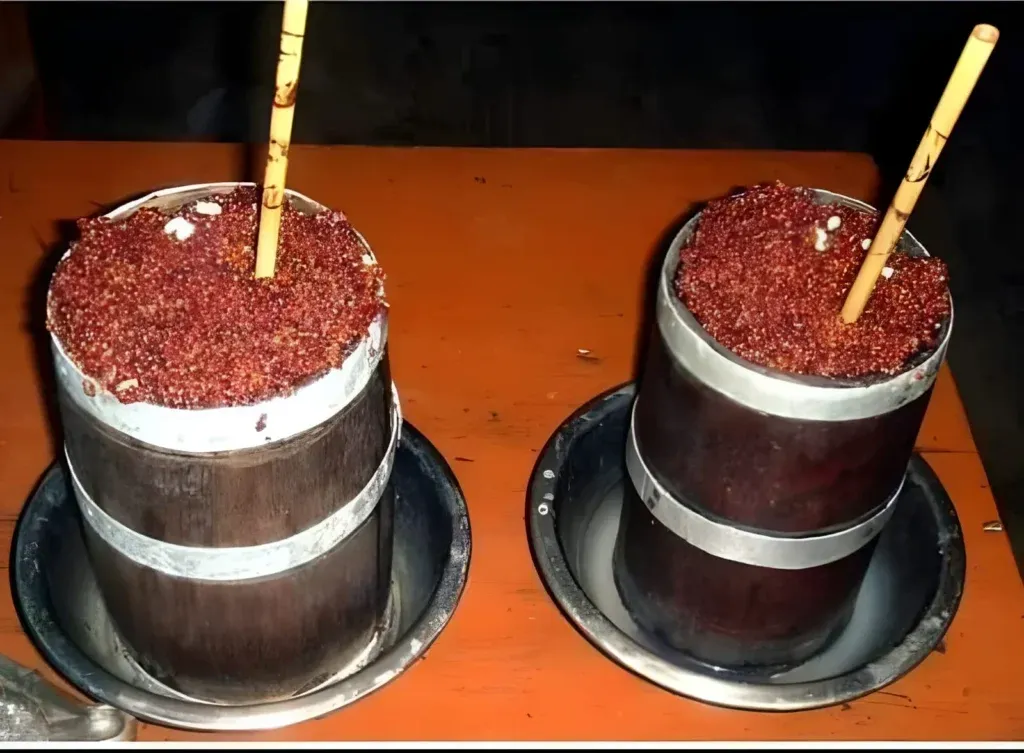
Tongba is a well-known fermented millet drink served warm in a wooden or metal vessel. It is sipped through a straw and symbolizes communal warmth. In colder areas, such drinks are not just cultural but practical for survival.
Nepali people deeply appreciate simple foods. Boiled potatoes with chili and salt, roasted corn, boiled corn, bhuteko makai, and roasted soybeans are loved across all regions.
These snacks are affordable, comforting, and connected to rural life. They show that Nepali cuisine does not depend on luxury ingredients but on honest flavors.
Tea culture in Nepal deserves special mention. In almost every Nepali home, a guest is welcomed with tea. Milk tea, prepared with black tea leaves, milk, sugar, and sometimes spices, is offered immediately upon arrival. Tea represents hospitality and respect. Conversation begins with tea.
Nepal’s cuisine has also been influenced by Indian culinary traditions. The use of spices such as cumin, coriander, turmeric, and garam masala reflects cultural exchange. However, Nepali cooking maintains its own identity through milder seasoning and simpler preparation methods suited to local taste preferences.
Geography divides Nepal into Himalaya, hills, and Terai, but food unites the nation. Each region offers something unique while sharing a common spirit of warmth and community.
From ceremonial Newari feasts to satvik pooja meals, from daily dal bhaat to festive meat dishes, from tongba in the mountains to vakka in the plains, Nepal’s food culture is a reflection of its people.
Food in Nepal is not only about taste; it is about faith, tradition, and belonging. It is about sitting together, sharing stories, and respecting heritage. Every dish carries history. Every festival carries flavor. Every household carries its own recipe passed through generations.
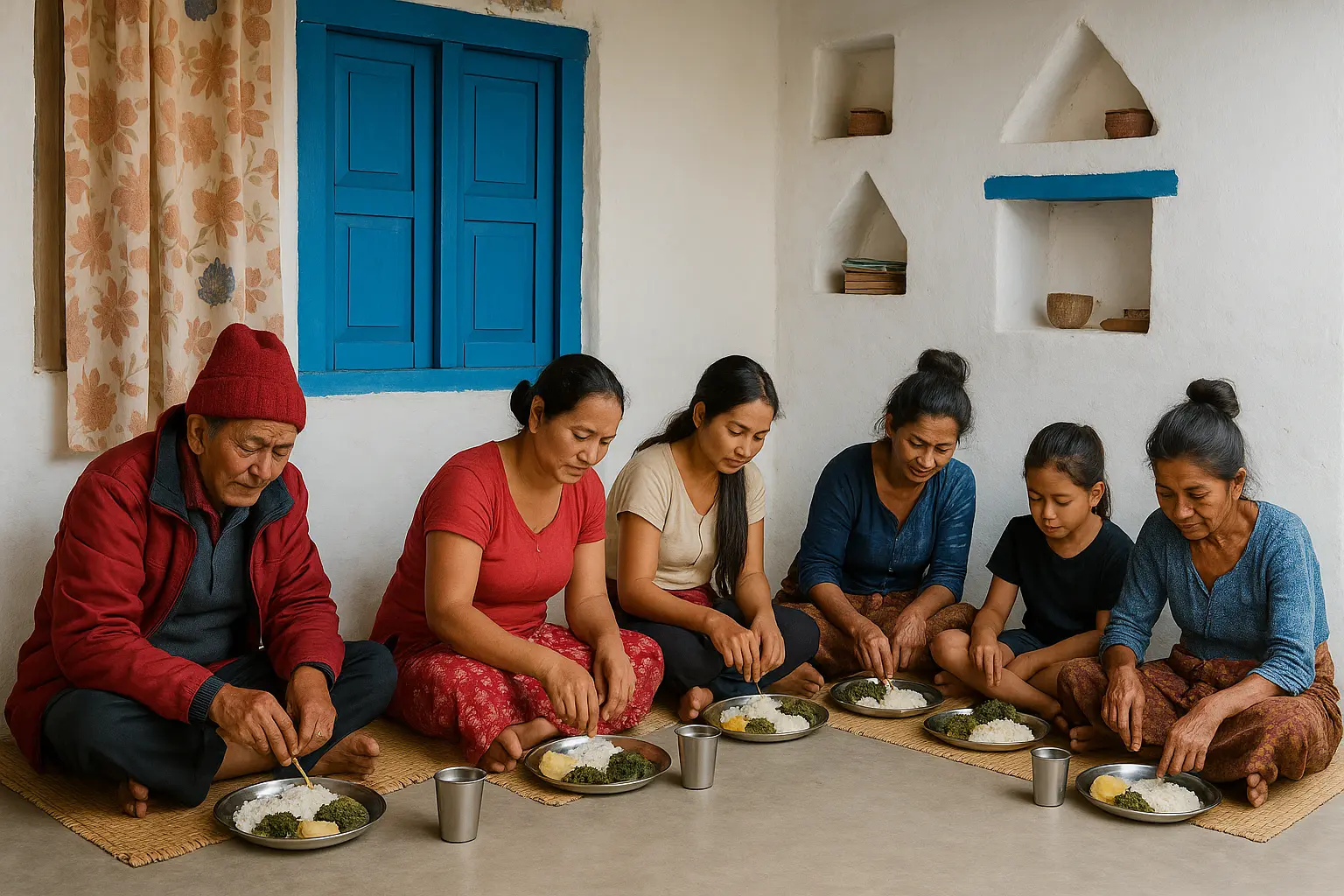
Nepali cuisine is simple yet profound, diverse yet united, traditional yet evolving. It is a living expression of culture, geography, and identity, a true celebration of unity in diversity.