Complete Guide to Lawn Care in Nepal
Nepal’s unique climate, including hot summers, heavy monsoon rains, and cool winters, presents specific challenges for lawn maintenance. This complete guide covers essential tips, techniques, and professional services to achieve a healthy, vibrant lawn year-round.


A well-maintained lawn is one of the most attractive features of any property in Nepal, whether it’s a residential home, commercial space, or hotel. Proper lawn care enhances aesthetics, increases property value, and provides a relaxing outdoor environment. However, Nepal’s unique climate, including hot summers, heavy monsoon rains, and cool winters, presents specific challenges for lawn maintenance. This complete guide covers essential tips, techniques, and professional services to achieve a healthy, vibrant lawn year-round.
Soil Preparation and Grass Selection
Healthy lawns begin with proper soil preparation. Conducting a soil test helps identify nutrient deficiencies and pH levels, which guide fertilization and soil improvement strategies. Adding organic compost or soil conditioners improves soil structure, drainage, and fertility.
Grass selection is equally important. For Nepal, warm-season grasses like Bermuda and Zoysia are suitable for sunny areas, while cool-season grasses like Ryegrass perform well in shaded and higher-altitude locations. Selecting grass adapted to the local climate ensures better growth, reduced maintenance, and greater resistance to pests and diseases.
Mowing and Lawn Maintenance
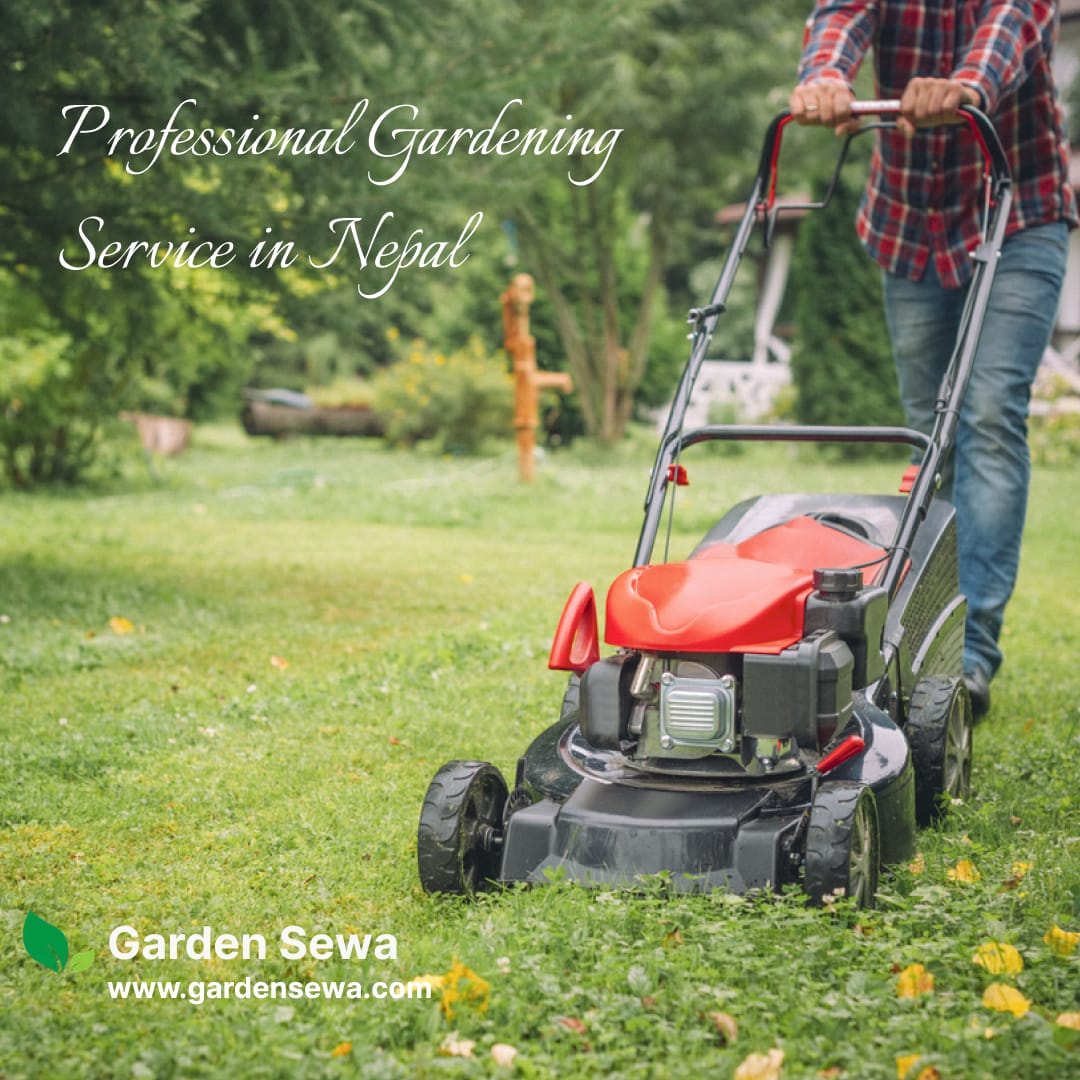
Regular mowing promotes dense, healthy grass growth. Cutting grass too short can stress the lawn, while leaving it too long encourages weeds. Professionals recommend mowing once a week during the growing season and adjusting the height according to grass type. Edging along pathways and borders enhances the lawn’s neat appearance and prevents grass from encroaching into flower beds or walkways.

Aeration is another essential practice. Over time, soil compacts, reducing water, air, and nutrient absorption. Lawn aeration involves creating small holes in the soil to promote root development, improve drainage, and encourage stronger grass growth. Aeration is particularly beneficial after the monsoon season or in high-traffic areas.
Fertilization and Nutrient Management
Regular fertilization ensures lawns receive necessary nutrients. Nitrogen, phosphorus, and potassium are the primary nutrients for grass health. Organic fertilizers or compost can improve soil quality while promoting sustainable growth. Seasonal fertilization schedules should be followed to support growth during summer, maintain strength through monsoon, and prepare grass for winter dormancy.
Watering Techniques
Proper irrigation is critical for lawn health. Overwatering can lead to root rot and fungal growth, while underwatering causes brown patches and stress. Drip irrigation, sprinklers, or automated watering systems help maintain consistent moisture levels. Watering early in the morning or late in the evening minimizes evaporation and ensures efficient water use. Mulching around the lawn can further conserve moisture and reduce weed growth.
Weed, Pest, and Disease Control
Weeds compete with grass for nutrients and water, while pests and diseases can damage lawns if not managed promptly. Common problems in Nepal include fungal infections during monsoon, insect infestations, and invasive weeds. Regular monitoring, targeted herbicides, safe pesticides, and preventive measures help maintain a healthy lawn. Professional lawn care services often provide these solutions efficiently, minimizing damage and labor for homeowners.
Seasonal Lawn Care Tips
Seasonal adjustments are essential in Nepal. During the monsoon, ensure proper drainage to avoid waterlogging and fungal infections. In summer, increase watering frequency and provide shade for sensitive plants. Winter requires reduced mowing and minimal watering, focusing on protecting roots and preparing the lawn for spring growth. Professional services offer seasonal care plans to optimize lawn health throughout the year.
Professional Lawn Care Services
Hiring professional lawn care services in Nepal provides significant advantages. Experts bring knowledge of local climate, soil conditions, grass types, and seasonal challenges. They offer mowing, aeration, fertilization, pest control, turf installation, and irrigation management. Professional services save time, reduce maintenance errors, and ensure a consistently healthy lawn. Packages can be customized for residential, commercial, or hospitality properties based on size, design, and usage.
Benefits of a Well-Maintained Lawn
A well-cared-for lawn improves property aesthetics, increases curb appeal, and provides a relaxing outdoor environment for families, guests, and employees. Healthy lawns contribute to environmental quality by reducing heat, filtering air pollutants, and supporting biodiversity. Professionally maintained lawns are easier to manage and more resilient to seasonal challenges, offering long-term benefits for property owners.
Conclusion
Lawn care in Nepal requires proper soil preparation, appropriate grass selection, mowing, aeration, fertilization, watering, and seasonal adjustments. Whether managed independently or with professional services, following best practices ensures a lush, green, and healthy lawn throughout the year. Investing in lawn care enhances the beauty, functionality, and value of your property while creating a serene outdoor space for recreation and relaxation. With consistent care and expert guidance, lawns can thrive even in Nepal’s varied climatic conditions, providing an inviting and sustainable green environment.