10 Dangerous Diseases Caused by Dirty Dogs
The cleanliness of a dog also directly affects the overall hygiene of your living space. Dogs often share common areas such as sofas, beds, and carpets. When a dirty dog frequently uses these spaces, it spreads germs and contaminants that are not always visible to the eye.

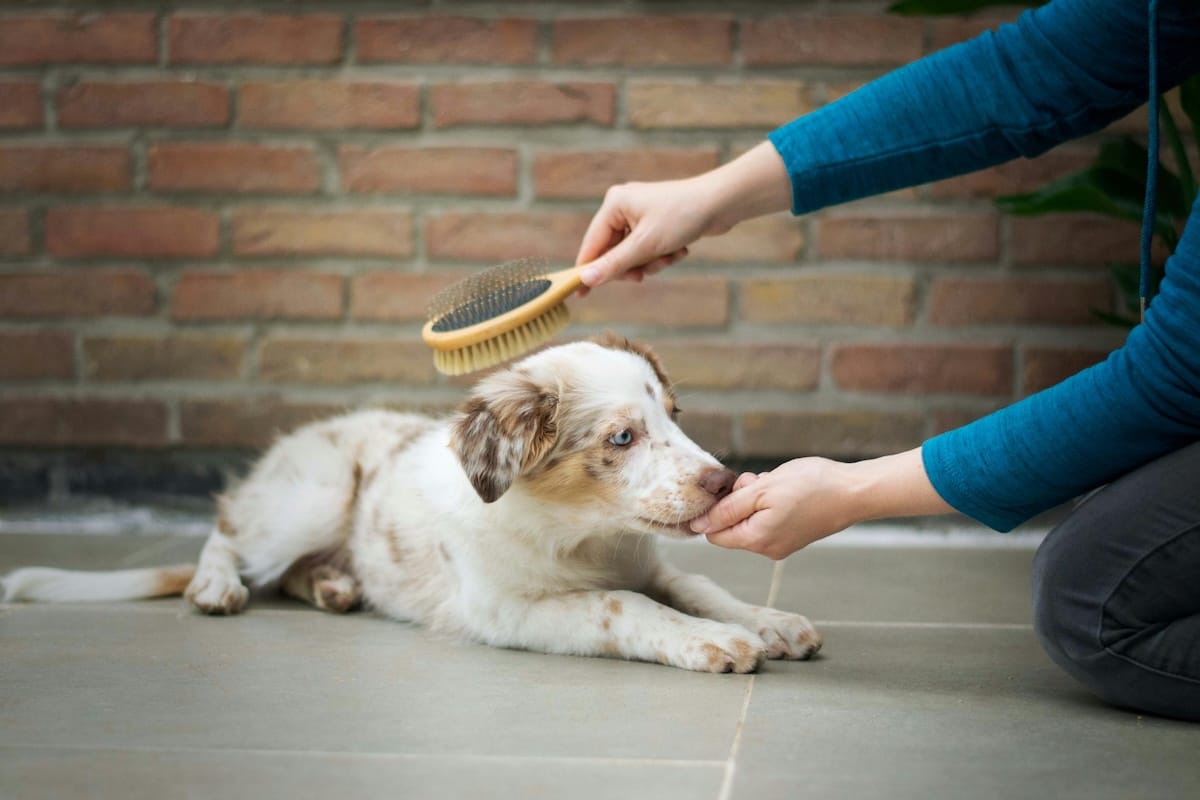
Dogs bring happiness and companionship into our lives, but poor hygiene can turn them into carriers of harmful diseases. A dirty dog doesn’t just smell bad, it can expose your entire household to bacteria, parasites, and infections. Many of these diseases can spread from dogs to humans, making regular cleaning and grooming essential. Below are ten dangerous diseases that can be caused or spread by a dirty dog.
The cleanliness of a dog also directly affects the overall hygiene of your living space. Dogs often share common areas such as sofas, beds, and carpets. When a dirty dog frequently uses these spaces, it spreads germs and contaminants that are not always visible to the eye.
Over time, this can lead to a buildup of harmful microorganisms in the home, making it less safe for everyone living there. Even regular household cleaning may not be enough to fully eliminate these hidden threats if the dog itself is not kept clean.
Children are particularly vulnerable in such situations. They tend to have closer physical contact with pets and are less aware of hygiene practices. They may hug, kiss, or play with dogs and then touch their faces without washing their hands.
This increases the likelihood of infections being transmitted from the dog to the child. Ensuring that pets are clean is therefore an important step in protecting younger family members.
- Salmonella Infection
Salmonella is a type of bacteria commonly found in contaminated food, soil, or waste. Dogs can carry it on their fur or paws after outdoor exposure. When transmitted to humans, it can cause diarrhea, fever, abdominal cramps, and vomiting. Children and elderly individuals are especially at risk.
- E. coli Infection
E. coli bacteria can easily stick to a dog’s body after contact with dirty environments. If hygiene is not maintained, these bacteria can spread to household surfaces. In humans, it may lead to severe stomach pain, diarrhea, and urinary tract infections.
- Ringworm (Fungal Infection)
Despite its name, ringworm is not a worm but a contagious fungal infection. Dirty dogs are more likely to develop and spread it. It appears as circular, red, itchy patches on the skin and can easily transfer to humans through direct contact.
- Flea Infestation
Fleas thrive on unclean dogs and can quickly spread throughout your home. While flea bites cause itching and discomfort, they can also lead to allergic reactions and skin infections. In severe cases, fleas can transmit other diseases.
- Tick-Borne Diseases
Ticks attach to dirty or unkempt dogs and feed on their blood. These parasites can carry serious diseases that affect both pets and humans. Tick bites may cause fever, fatigue, and in some cases, long-term health complications if untreated.

- Mange (Skin Disease Caused by Mites)
Mange is caused by microscopic mites that live on a dog’s skin. Poor hygiene increases the risk of infestation. It leads to hair loss, redness, and intense itching. Some types of mange can also spread to humans, causing skin irritation.
- Leptospirosis
This bacterial disease spreads through contact with contaminated water, mud, or urine—places where dirty dogs often roam. It can cause serious health issues like liver damage, kidney failure, and fever in humans if transmitted.
- Campylobacter Infection
Campylobacter is another bacterial infection that dogs can carry after exposure to contaminated environments. It spreads through contact with feces or unclean fur and can cause diarrhea, cramping, fever, and nausea in humans.
- Hookworms
Hookworms are intestinal parasites that can be present in contaminated soil. Dogs pick them up easily when they are not kept clean. These parasites can penetrate human skin, leading to itching, rashes, and in some cases, more serious internal issues.
- Allergies and Respiratory Problems
Dirty dogs carry dust, pollen, and dander, which can trigger allergies. This may not be a disease in the traditional sense, but it can lead to chronic respiratory problems such as asthma, sneezing, itchy eyes, and skin irritation in sensitive individuals.
Free counseling about "How to clean your Dog?" in Kathmandu, Nepal
Final Thoughts
A dirty dog is not just an inconvenience—it can be a serious health risk. From bacterial infections to parasites and skin diseases, the dangers are real and often underestimated. The good news is that most of these issues are preventable with proper hygiene. Regular bathing, grooming, and cleanliness can protect both your pet and your family.